

Did you know? People who stick to a daily stretching routine report up to 30% fewer injuries and enjoy enhanced mobility. This simple habit is redefining everyday wellness, transforming how we feel, move, and live—no gym membership required.
Unlocking Your Potential: Why a Daily Stretching Routine Matters
“People who invest in a daily stretching routine report up to 30% fewer injuries and improved mobility, reshaping how we think about everyday wellness.”
The Importance of Daily Stretching for a Healthier Life
Embracing a daily stretching routine isn’t just for athletes or those dealing with stiffness—it’s a powerful tool for anyone seeking to boost flexibility, increase their range of motion, and support overall well-being. When you consider the hours spent sitting, whether at a desk, on the couch, or during commutes, it’s no wonder that tight muscles and limited mobility are becoming the norm. Incorporating a stretching routine counteracts these effects, helping to alleviate back pain, reduce muscle tension, and even lower stress. Flexibility is key to maintaining a high quality of life, as it improves balance, coordination, and athletic performance while also reducing the risk of injury during daily activities and exercise.
Prioritizing a full body stretch every day encourages better posture, especially for those with sedentary lifestyles. By actively engaging both the upper body and lower body muscle groups, you enhance blood flow, facilitate injury prevention, and improve joint health. With benefits that stretch far beyond the mat or gym, committing to a daily stretch becomes your first step toward a healthier, happier you.

How a Daily Stretching Routine Improves Flexibility and Mobility
Practicing a daily stretching routine delivers measurable improvements in both flexibility and mobility. Regular stretching—particularly when it targets all major muscle groups—stimulates increased blood flow and promotes healthy muscle lengthening. Whether you choose to sit or stand during your stretches, focusing on proper form (like keeping your back straight) maximizes the effects. Over time, your joints adapt to a greater range of motion, while your muscles become accustomed to daily use, reducing stiffness you may experience in your lower back, shoulders, and hips. As flexibility advances, daily tasks such as reaching, bending, or twisting become easier and less risky — this is particularly true for activities demanding full-body coordination.
A comprehensive stretching routine also supports athletic endeavors, from yoga poses to strength training, by preparing the body for movement and reducing muscle group imbalances. Improved mobility leads to fewer injuries and longer-lasting joint health, setting the stage for improved athletic performance and everyday functional fitness. Ultimately, a daily stretching routine serves as an all-in-one solution to increase your flexibility and maintain a body that feels free and ready for action.
If you're interested in complementing your daily stretching with other natural wellness practices, you might find it helpful to explore how a DIY hair oil treatment can nourish your hair naturally and support your overall self-care routine.
Common Flexibility Misconceptions Debunked
Many people believe flexibility is either genetic or restricted to dancers and gymnasts, but research and firsthand experience prove otherwise. Anyone can enhance their flexibility and mobility at any age or ability level. Another widespread misconception is that stretching must hurt to be effective. In truth, proper stretching should produce a gentle pulling sensation—not pain. Overstretching or using improper form can increase the risk of injury rather than deliver benefits. Others think you need special equipment or a great deal of extra time for stretching, but most daily stretching routines require minimal to no equipment and can be completed in under 15 minutes each day.
Some also assume that only a lengthy, rigorous stretching session will yield results, when in fact, shorter, consistent daily stretches are more beneficial for long-term mobility. By busting these myths and focusing on frequent, gentle flexibility work, you’ll realize that improving your range of motion is realistic and attainable no matter your starting point.
What You'll Learn in This Comprehensive Daily Stretching Routine Guide
- The science behind a daily stretching routine
- Step-by-step stretching routine instructions
- Best practices for upper body and lower body flexibility
- Tips to incorporate stretching into your daily routine
- Expert advice, FAQs, and key takeaways
Understanding the Science: How Daily Stretching Impacts Your Body
Biomechanics of Stretching Routine and Body Stretch
- Neuromuscular responses to daily stretching
- Physiological benefits: muscle lengthening, improved flexibility
- Role of body stretch for circulation and joint health
The magic behind a daily stretching routine lies in how your body responds at the muscular and neurological levels. Each time you stretch, your nervous system triggers muscle relaxation, reducing involuntary muscle tension. Consistently stretching muscle groups increases their length over time, which enhances flexibility and fosters better balance during dynamic movements. In addition, stretching stimulates blood flow to the area, flushing out metabolic waste and nurturing your tissues with oxygen and nutrients. This process not only accelerates recovery post-exercise but also supports lasting joint health and resilience.
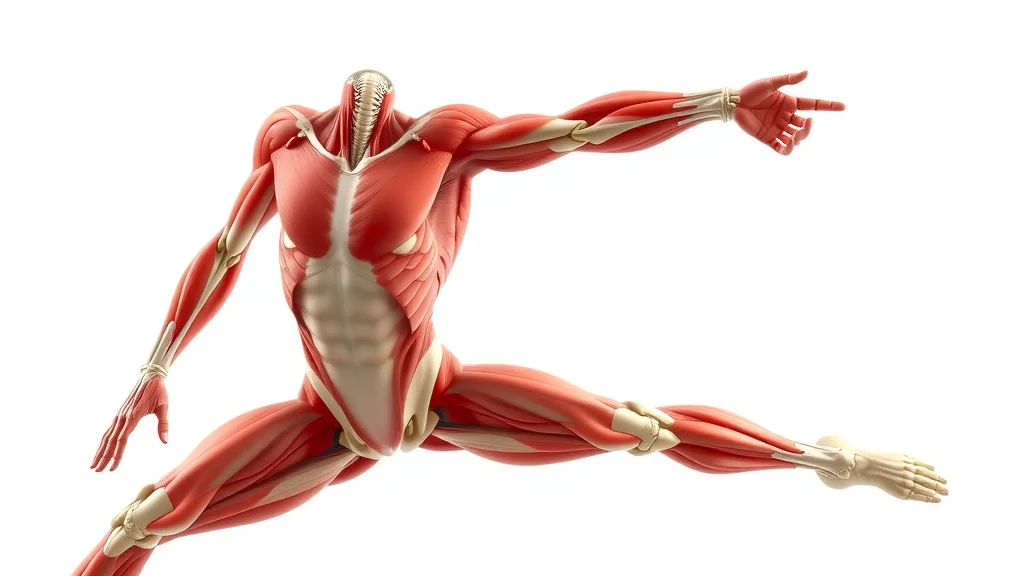
Daily stretching also benefits the neuromuscular system, training your body to recognize safe limits and encouraging improved posture. When you incorporate dynamic and static stretches into your daily stretch, you’re improving not just flexibility but also the body’s ability to move with ease and prevent degenerative issues related to sedentary habits or overuse injuries.
Evidence-Based Benefits of a Daily Stretching Routine
- Reduced risk of injury
- Enhanced posture
- Lowered stress levels
Studies confirm that a daily stretching routine offers more than just improved range of motion. Regular stretching helps maintain postural alignment—particularly important for those who work at desks or use electronic devices throughout the day. Reducing muscle imbalances decreases the likelihood of strains, sprains, and overuse injuries, particularly in key muscle groups like the hip flexors, hamstrings, and shoulders. Additionally, stretching supports stress reduction by prompting muscle relaxation and encouraging slower, deeper breathing, which triggers the body’s natural “relaxation response. ”
"Consistently following a stretching routine improves long-term mobility and functional health."
Over time, the evidence is clear: dedicating just a few minutes each day to a stretching routine can mean fewer aches, a stronger posture, and a decreased risk of chronic pain and injury—making this daily habit a true investment in your future health.
Essential Guidelines for a Safe and Effective Daily Stretching Routine
Tips to Prepare for Your Stretching Routine
- Warm-up ideas to prime your body
- Hydration and attire recommendations
A safe daily stretching routine starts with prepping your body and environment. Warming up boosts your blood flow and prepares your muscles for lengthening—think light cardio like brisk walking, gentle arm circles, or jogging in place for 3–5 minutes. Always stretch in comfortable attire that allows a full range of motion, and use a yoga mat or padded surface for joint protection. Hydration is key: muscles are less prone to cramps and injuries when they’re well-hydrated, so keep water nearby. While equipment isn’t strictly necessary, props such as stretching straps or yoga blocks can offer extra support, especially for beginners or those with tight areas.
Remember to breathe deeply and with intention before the stretching session begins. Mindful breathing reduces muscle tension, ensures adequate oxygen delivery, and sets a calm tone for an effective, enjoyable routine. With these basic steps, you’ll experience all the benefits and minimize injury risk as you progress.
Daily Stretching Safety: Dos and Don’ts
- Breathing techniques during a daily stretch
- How to avoid overstretching and injury
For ultimate stretching routine safety, follow the golden rule: never stretch to the point of pain. Instead, gently ease into each stretch until you feel mild tension. Use slow, controlled movements and avoid bouncing, which can cause micro-tears and muscle strain. Incorporate slow, even breaths—inhale deeply as you set up the pose and exhale as you deepen the stretch. This not only helps improve flexibility but also cues your body to release additional tension. Limit each stretch to 20–45 seconds, and repeat as needed to cover all target muscle groups.
Avoid holding your breath or pushing beyond your current capabilities. If you’re new to stretching or have a specific medical condition, consult a healthcare professional for personalized guidance on safe ranges and suitable modifications. By respecting your body’s boundaries and building gradually, your daily stretch will foster strength, flexibility, and well-being with each session.
Step-by-Step Daily Stretching Routine for Total Flexibility
Full Body Stretch: Best Stretches for Every Major Muscle
Targeting every major muscle group ensures a stretching routine that supports full-body flexibility and mobility. Start by stretching the neck, shoulders, and arms—use gentle neck tilts and reach arms overhead for an invigorating wake-up. Progress to the chest and shoulder opener by clasping your hands behind your back and gently lifting. Next, stretch the upper back with a cat-cow movement or a seated spinal twist, both of which help relieve lower back tension. For the lower body, include classic hamstring stretches (seated or standing), quad stretches while holding onto a wall or chair, and dynamic hip flexor motions.
As you transition between poses, hold the stretch at the peak point and focus on slow, deep breathing. Repeat each stretch twice for balanced results. In just 10–15 minutes, you can experience a revitalizing stretching routine that enhances flexibility, relieves muscle tightness, and sets a positive tone for the day.
Upper Body Stretching Routine for Everyday Flexibility
- Neck and shoulder stretch
- Upper back mobility movements
- Chest opener
The upper body often bears the brunt of modern-day activities like computer work, phone use, and driving. Consistent stretching helps correct muscular imbalances caused by forward posture and slouched shoulders. Begin with a gentle neck stretch: sit or stand upright, tilt your head toward your shoulder, and hold the stretch for 15–30 seconds on each side. Move to a shoulder release by raising one arm and gently pulling it across the body with the opposite hand. Next, open your chest and combat forward-slumping posture by clasping hands behind your back and drawing your shoulder blades together while lifting your chest.

For the upper back, perform a seated spinal twist or gentle yoga pose like the cat-cow to mobilize the spine. These simple stretches, included daily, can improve flexibility, alleviate muscle tension, and promote better posture—crucial for both athletes and desk workers.
Lower Body Stretching Routine: Unlock Your Hips and Hamstrings
- Hamstring stretch
- Quad stretch
- Hip flexor stretch routine
Tight hip flexors, hamstrings, and quads are a leading cause of back pain and reduced mobility. A balanced lower body stretch sequence can offset hours of sitting and prepare you for activity. Start with the classic hamstring stretch: sit with one leg extended, hinge gently at the hips, and reach for your toes, keeping your back straight. Hold 30 seconds and switch sides. For a quad stretch, stand with your feet hip-width apart, bend one knee, and grasp your ankle behind you—use a wall or chair for support. Finish with a hip flexor stretch routine: kneel on one knee, tuck your pelvis slightly, and lean forward until you feel a gentle pull in the front of your hip.
These stretches target essential muscle groups and can relieve lower back tightness. Consistently including them in your daily stretching routine will unlock increased flexibility, more freedom of movement, and fewer aches in the lower body.
Incorporating Dynamic and Static Stretches
| Examples | Description | Stretch Type |
|---|---|---|
| Arm circles, leg swings | Movement-based, performed before exercise | Dynamic |
| Seated hamstring stretch, calf stretch | Held position, performed post-exercise or daily | Static |

Both dynamic and static stretches belong in a comprehensive stretching routine. Begin your warm-up with dynamic movements like arm circles or leg swings—these prime the muscles, boost blood flow, and prepare your joints for activity. After exercise or as part of an evening routine, switch to static stretches: settle into the position, relax, and hold the stretch. This combination maximizes flexibility gains and athletic performance while safeguarding against strains and overuse injury.
Focusing on Flexibility: Improve Flexibility with These Daily Stretches
Daily Stretching to Improve Flexibility and Range of Motion

A daily stretching routine is your best ally for improved flexibility and broader range of motion. By integrating gentle static stretches for the hamstrings, calves, and hips with daily dynamic mobility movements, you train the body to move more comfortably and confidently. Over time, these routines become second nature, benefitting children and seniors alike. Improved flexibility means fewer limitations during sports, household chores, and travel—and it even helps reduce the likelihood or intensity of delayed onset muscle soreness (DOMS) after strength training or new activities.
The key is consistency and patience: as your muscles adapt, you’ll notice less stiffness, more freedom in your yoga poses or workouts, and a general sense of ease throughout the daily routine. Set a goal to commit to at least 10 minutes of stretching daily and track your progress to keep motivation high.
Stretching Routine for Specific Goals: Athletes, Desk Workers, and Seniors
- For Athletes: Dynamic stretches, plyometric mobility work
- For Desk Workers: Neck, upper back, and hip flexor stretches
- For Seniors: Gentle dynamic and static stretches, balance-focused exercises
Tailoring your daily stretching routine to individual needs yields the best results. Athletes benefit from dynamic, movement-based stretches before sports and targeted static stretches after. Desk workers should focus on reducing strain in the neck, shoulders, and hip flexors with gentle, frequent stretches throughout the workday. Seniors are encouraged to combine low-impact balance and flexibility movements to stay mobile, enhance coordination, and prevent falls. Listen to your body, progress slowly, and never force a stretch. No matter your age or activity level, daily stretching routines can be adapted for your unique lifestyle and goals.
Optimizing Your Daily Routine for Lasting Mobility
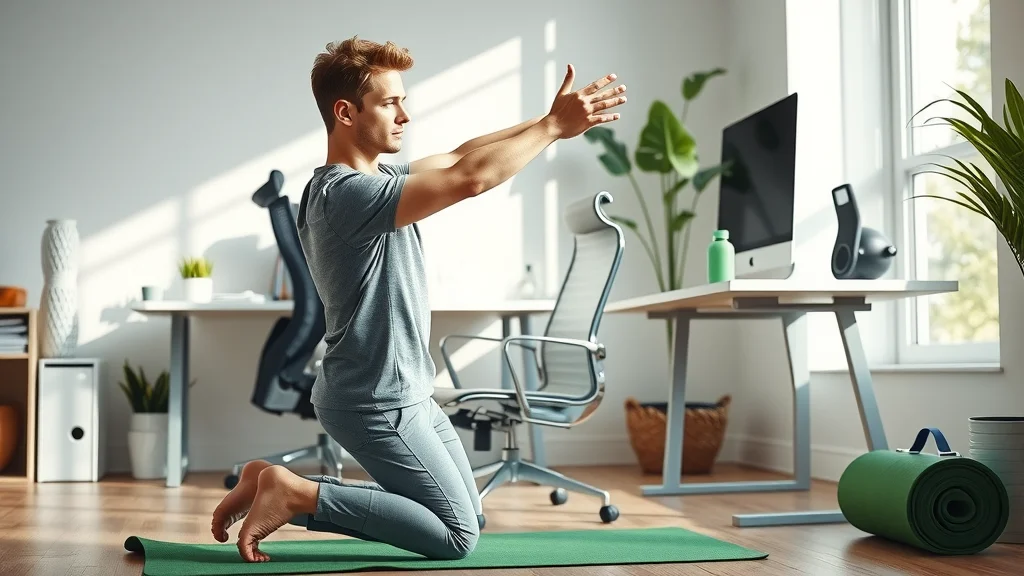
Making your stretching routine a non-negotiable part of your daily routine is crucial for lasting results. Set specific times—like after waking up, during a lunch break, or before bed—to build consistency. Keep simple aids like yoga mats or stretching straps near your workspace or living area as a reminder. Short “movement snacks,” such as a quick hip flexor stretch beside your desk or arm circles while waiting for coffee, help reinforce the habit. The more seamless you make stretching, the more profound your improvements in flexibility, mobility, and overall comfort will be.
By making adjustments according to your daily schedule and needs, you’ll notice long-term benefits in your athletic performance, how your body feels upon waking or after long periods of inactivity, and even your mental health. Integrate a daily stretching routine as a foundation for overall well-being and successful aging.
FAQs: Daily Stretching Routine Best Practices
Should You Add a Daily Stretch to Your Routine?
Absolutely—adopting a daily stretching routine is strongly recommended by health and fitness experts. When practiced consistently, it not only improves flexibility and reduces the risk of injury but also boosts circulation, lowers stress, and leads to a more mobile, pain-free life. Just be sure to listen to your body, progress at your own pace, and avoid overstretching for best results.
Best Time for a Stretching Routine: Morning or Night?
The optimal time for stretching depends on your schedule and goals. Morning stretches energize the body and loosen overnight stiffness, preparing you for the day ahead. Evening routines, on the other hand, help wind down, relieve accumulated tension, and promote better sleep. Many people benefit from splitting their routine—dynamic stretches in the morning, static holds in the evening—to maximize advantages throughout the day.
Signs You Need to Adjust Your Daily Stretching Routine
Watch for discomfort or lack of progress as signs a change is needed. If you experience sharp pain, persistent soreness, or chronic tightness, you may be overstretching or using poor technique. Likewise, stalled progress in flexibility or athletic performance may mean it’s time to add new stretches, increase your hold times, or work with a coach or physical therapist for guidance.
Role of a Hip Flexor Stretch in a Daily Routine
The hip flexor stretch is a cornerstone of every daily stretching routine—especially for those who sit often. Regularly stretching the hip flexors relieves pressure on the lower back, improves posture, and increases your range of motion for walking, running, and other activities. It should be included with both dynamic and static approaches throughout the week.
How Long Should a Full Body Stretch Session Last Each Day?
An effective daily full body stretch session should last between 10 and 20 minutes, depending on your experience and time. Focus on quality over quantity; each stretch should last 20–45 seconds, with 1–2 repetitions per major muscle group. Remember, even shorter but regular sessions can yield remarkable results in flexibility and mobility.
Key Takeaways: Maximize Benefits From Your Daily Stretching Routine
- Commit to a daily stretching routine for best results
- Listen to your body and progress slowly
- Incorporate both dynamic and static stretches
- Regular stretching routine enhances overall health and mobility
People Also Ask About Daily Stretching Routine
Is it OK to stretch every day?
Answer: Yes, following a daily stretching routine is not only okay but recommended for improving flexibility and overall mobility, provided you listen to your body and avoid overstretching.
Can stretching lower blood pressure?
Answer: Regular daily stretching may contribute to lower blood pressure by promoting relaxation, reducing stress, and improving circulation, though it’s most effective when part of an overall healthy lifestyle.
Does stretching help with DOMs?
Answer: Stretching in a daily routine can help alleviate symptoms of delayed onset muscle soreness (DOMS) by increasing blood flow and easing muscle stiffness, though it may not entirely prevent soreness.
What stretches are best for hamstrings?
Answer: The best stretches for hamstrings in a daily stretching routine include static seated hamstring stretches, lying hamstring stretches, and dynamic leg swings.
Conclusion: Transform Your Flexibility With a Daily Stretching Routine
"A daily stretching routine is the foundation for a healthier, more mobile life—start today and feel the change!"
Ready to Take the First Step? Begin Your Daily Stretching Routine Now!
As you continue to refine your daily stretching routine, remember that holistic wellness is about nurturing your body from head to toe. If you’re looking to expand your self-care toolkit, consider exploring natural approaches that go beyond flexibility—such as nourishing your hair and scalp with homemade treatments. Discover how simple, effective rituals like a DIY hair oil treatment can elevate your overall well-being and help you feel your best, inside and out. Embracing a comprehensive approach to self-care ensures that every part of you thrives, making each day a step toward greater vitality and confidence.


Write A Comment