

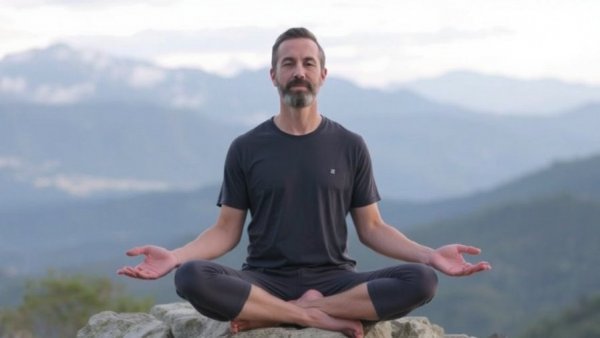
The Transformative Power of Mindful Breathing
In an increasingly chaotic world, taking a moment to breathe can offer profound healing. Mindful breathing is more than just a technique—it's an act of self-love and compassion. It helps you anchor yourself to the present moment, allowing you to confront life's challenges with greater resilience. As a cornerstone of meditation practices, mindfulness surrounding your breath can be seamlessly practiced anywhere, anytime. There’s no need for complicated methods; simply be aware of your breath as you naturally inhale and exhale, allowing yourself to just be. This simplicity is where the true strength of mindful breathing lies.
Understanding the Benefits of Belly Breathing
Abdominal or belly breathing can significantly enhance your well-being, particularly for those grappling with anxiety. Unlike chest breathing, which can be shallow and rapid during stressful moments, belly breathing encourages a deeper and more calming rhythm. During an anxious episode, focusing on breath from the abdomen not only calms the mind but also signals the body to return to a more balanced state. To practice, place one hand on your belly to ensure it expands with each inhale and contracts with each exhale.
This practice is vital for moderating irregular breathing patterns, often exacerbated by stress or anxiety. Anxiety can lead to shallow, rapid, or sporadic breathing, which might culminate in hyperventilation. Engaging in mindful belly breathing can be a powerful antidote in these moments. As you prioritize your breath, you strengthen your ability to cope with anxiety. This natural form of breathing connects back to our instincts; belly breathing is often how infants breathe, showcasing its importance in maintaining our calm and emotional stability as we age.
Mindfulness as a Healing Practice
Research has shown that acknowledging feelings of stress and anxiety is a critical step toward healing. By recognizing these emotions instead of running from them, you enable yourself to embrace what makes you human. Mindfulness has been proven effective in reducing psychological distress and improving emotional well-being.
Many practitioners find that simply performing this practice in a quiet, distraction-free environment makes a significant difference. It’s essential to give your undivided attention to the process, whether through guided meditation or dedicating a few minutes a day solely to your breathing. Diving into the practice with authenticity invites healing and self-discovery.
Creating a Mindful Environment
When practicing mindful breathing and meditation, environment matters. Aim for a space where you feel comfortable and away from interruptions, whether at home or outdoors in nature. A peaceful setting heightens the sensory experience of breathing, allowing you to connect with your breath on a deeper level.
Consider dressing comfortably, using calming scents like lavender or chamomile, or playing soft background music to enhance your experience. You might experiment with lighting—soft candles or warm light can create an inviting atmosphere. Creating an oasis that invites a sense of safety and tranquility encourages you to dive deeper into your practice.
Combining Practices for Enhanced Wellness
Many individuals find that combining mindful breathing with practices such as yoga or gentle stretching further enhances their benefits. Yoga not only strengthens the body but also encourages bodily awareness and deepens the connection between breath and movement. Even a simple stretch while focusing on your breath can invigorate your body and mind.
Moreover, mindfulness can be infused into everyday activities—such as cooking, walking, or even washing dishes—bringing focus back to the present moment and away from spiraling thoughts. When you practice living mindfully, even mundane tasks transform into opportunities for mindfulness and connection, cultivating a richer, more satisfying life experience.
Prioritizing Your Mental Health
As we navigate through life's complexities, it becomes vital to prioritize our mental health. Practicing mindfulness and meditation can empower individuals to face their fears, fostering greater resilience in a world filled with uncertainties and changes. Whether you're learning to confront turbulent emotions or seeking a way to process life’s transitions, mindfulness provides a robust toolkit for your mental wellness.
Exploring resources like those offered by the Mindful community makes the journey toward improved mental health accessible to everyone. Consider joining a class, participating in a group, or finding an online support system. The shared commitment to wellness can create a profound sense of connection and belonging—essential factors for emotional well-being.
Embracing the Journey of Self-Acceptance
In conclusion, integrating mindful breathing into your daily routine can be a game changer. As you engage with your breath, remember this practice is a personal journey toward self-acceptance. It invites you to recognize your unique experiences and feelings without judgment. Whether anxiety feels overwhelming or life transitions are challenging, allow yourself the grace to breathe deeply and anchor into each moment.
Reach out into the mindful community for support, resources, and a shared commitment to balance and wellness. Ultimately, your journey is your own, and with each mindful breath, you are cultivating a more profound connection not only to yourself but also to the world around you. Cherish this experiential wisdom as you continue to explore the powerful intersection of mindfulness and personal well-being.





Write A Comment