

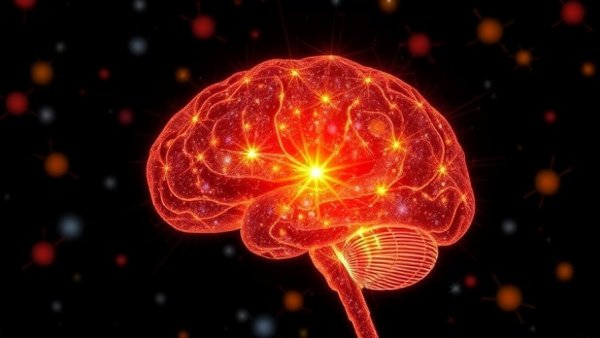
Unveiling the Neurobiology of Gratitude
Gratitude is often portrayed as a simple emotional response, yet emerging research unveils its intricate role in our mental and physical health. Imagine encountering a moment of kindness that not only lifts your spirits but also ignites pathways in your brain that contribute to overall wellness. For adults aged 25-65, navigating the complex landscape of modern life can become overwhelming; understanding how gratitude operates biologically might just be the lifeline we need.
The Science Behind Feelings
Research indicates that gratitude triggers specific neural pathways associated with social connection and pleasure. In exploring the neural foundation of gratitude, scientists have discovered the importance of engaging narratives. A study conducted by a neuroscientist involved participants immersing themselves in poignant stories of altruism, which allowed researchers to measure brain activity and correlate these experiences with feelings of gratitude.
Such findings reveal that gratitude is more than a fleeting feeling; it’s a deep-rooted emotional state tied to our social fabric. Strengthening this emotional response can lay the groundwork for improving our relationships, lifting our mood, and even enhancing our immune functions. Moreover, these revelations encourage individuals to be more aware of the small acts of kindness in their lives, turning daily interactions into opportunities for feelings of appreciation.
Historical Perspectives on Gratitude
The significance of gratitude isn’t solely a contemporary revelation. Throughout history, various cultures and philosophers have recognized gratitude as a critical pillar of both personal and communal well-being. Ancient texts, from Confucian teachings to Stoic philosophy, highlight gratitude’s role in cultivating resilience, fostering connections, and enhancing overall happiness. For instance, early Stoics emphasized thankfulness as a pathway to emotional strength, suggesting that focusing on what we are thankful for can lead to greater inner peace.
Even in more recent times, thinkers and authors have reiterated this idea. The power of gratitude is woven into literature and self-help movements, emphasizing how it counteracts negativity and opens doors to positive emotional states. Integrating lessons from both the past and present allows individuals to appreciate how universal the practice of gratitude is.
Emotional and Psychological Benefits
The psychological dimension of gratitude is profound. Scientists assert that practicing gratitude can reduce feelings of envy and resentment, as it redirects our focus from what we lack to what we possess. In a world where social comparison is rampant, embracing gratitude can give us the resilience to withstand external pressures and enhance emotional health. By recognizing and valuing our present circumstances, we train our mind to foster a narrative of abundance rather than scarcity.
Additionally, studies have shown a strong correlation between gratitude and reduced levels of anxiety and depression. Individuals actively practicing gratitude report improved satisfaction in their lives, suggesting that this emotion serves as a protective mechanism against negative thought patterns. This resilience becomes especially vital during challenging times, where maintaining a positive outlook can significantly alter one’s experiences.
Strategies to Cultivate Gratitude
Incorporating gratitude into daily life doesn’t require grand gestures. Starting a gratitude journal, where you write down what you are thankful for each day, can help train your brain to look for the positive. Research supports that this practice not only encourages mindfulness but enhances overall emotional well-being. Even small actions, such as reflecting on daily positive moments before going to sleep, can foster a deeper sense of appreciation.
Involving others in gratitude practices can amplify the effects. Simple acts of kindness, like expressing appreciation towards peers, can also ignite the brain’s reward centers, solidifying gratitude as a recurring practice. Group activities, such as community service, can also cultivate a shared sense of gratitude, deepening ties between participants and engendering a supportive environment.
How Gratitude Improves Health
Emerging scientific studies support the compelling link between gratitude and physical health. Individuals who actively practice gratitude report fewer health complaints, demonstrate improved heart health, and achieve better sleep quality. Gratitude acts as a buffer against stress, which is integral for maintaining long-term physical health. The physiological mechanisms through which gratitude operates are fascinating: lower blood pressure and improved immune function are just a couple of ways gratitude manifests in wellness.
Moreover, in the fast-paced world we inhabit, where stress and anxiety can feel overwhelming, gratitude serves as an essential tool for grounding. When we take the time to acknowledge what we are thankful for, we interrupt our stress response, leading to greater emotional balance and physical health. Recognizing that simple shifts in mindset can yield significant health benefits is a powerful takeaway for anyone.
Future Predictions on the Role of Gratitude
As science continues to explore the multifaceted benefits of gratitude, future studies might delve deeper into how gratitude could shape interventions in mental health. Programs designed to foster gratitude could be instrumental in communities, especially where chronic stress or adversity prevails. Mental health professionals are beginning to see the potential for gratitude practices as part of therapeutic regimens, further embedding gratitude into holistic approaches to health.
By equipping individuals with the tools to cultivate gratitude, we may pave the way for enhanced mental resilience across various populations. The ability to harness gratitude effectively might also play a crucial role in fostering community bonds and enhancing interpersonal relationships, creating ripple effects of positivity.
Conclusion
Gratitude's physiological impact is not merely theoretical; it is a tangible tool designed to enhance both mental and physical health. By understanding and applying the principles of gratitude, individuals can navigate the complexities of life with a sense of purpose and connection. In a society that often emphasizes material possessions and external validation, reinstating gratitude as a core value could be transformative.
Now more than ever, it is vital to integrate gratitude into our lives actively. For anyone seeking personal growth and a more profound connection to others, embracing gratitude is a powerful and accessible pathway to improving wellness—making every day an opportunity for transformation. Each small step towards gratitude is a step towards a healthier, more fulfilled life, inviting joy and resilience into our interactions and experiences.





Write A Comment