

Startling Fact: Did you know that up to 70% of your immune system is housed in your gut, directly influenced by your diet? What you eat every day does more than fill your stomach—it shapes your immune health from the inside out.
This article dives deep into immunity boosting foods—which ones offer the highest benefits, how they work to support a healthy immune system, and the best ways to include them in your meals for effective, natural immune support.
Unveiling the Power of Immunity Boosting Foods
- Startling Fact: Did you know that up to 70% of your immune system is housed in your gut, directly influenced by your diet?
- This article explores scientific and practical insights to help you discover which immunity boosting foods play the largest roles in supporting a healthy immune system.
When striving to boost your immune system, the foods you choose each day can make a dramatic difference. Not only does your gut act as the command center for immune defense, but research consistently shows that a diet rich in specific nutrients—such as vitamins, minerals, and antioxidants—can help lower your risk of illness and promote faster recovery. By focusing on foods naturally packed with immune boosting properties, you are setting up your body for greater resilience against everyday challenges. Keep reading to unlock the essential foods and habits that keep your immune response strong.
What You'll Learn About Immunity Boosting Foods
- The core nutrients found in top immunity boosting foods
- Evidence-based benefits of incorporating these foods
- Tips for maximizing immune health through diet
This guide is packed with actionable information, including explanations of the key immune boosting nutrients, the science behind their benefits, and easy ways to weave them into your meal plan. Whether you're seeking to ward off seasonal illness, manage stress, or simply stay healthy year-round, understanding and applying these insights can give your immune system a noticeable lift.
Understanding the Immune System and How Foods Boost the Immune System
What is the Immune System?
- Overview of immune health and healthy immune system function
Your immune system is a complex network made up of organs, white blood cells, proteins, and tissues that work in tandem to defend against pathogens. A healthy immune system quickly recognizes invaders, mounts a defense using white blood cells and antibodies, and then remembers those invaders to prevent future illness. Everyday factors like stress, sleep, and especially nutrition—directly impact immune function and the performance of your body’s defense mechanisms.
When your immune system is strong, it keeps you feeling your best by reducing the likelihood of infections and hastening recovery when you do get sick. But if it's weak, you might notice chronic fatigue, frequent colds, or slow wound healing. That’s where a diet rich in immunity boosting foods comes into play, actively supporting the production and activity of protective blood cells.
How Nutrition Impacts a Healthy Immune System
- Essential nutrients and their roles in boosting food choices
- Link between essential nutrients and a healthy immune
Eating a balanced diet loaded with essential nutrients is foundational to a healthy immune system. Nutrients like vitamin C, zinc, and antioxidants play crucial roles in the development and activity of white blood cells. These components help neutralize threats such as viruses or bacteria and also protect your cells from free radical damage. Foods rich in vitamins, minerals, healthy fats, and probiotics serve as daily fuel for your immune defenses, enabling your body to respond more quickly and effectively.
In fact, studies show that those who eat a varied diet—full of different colors and food groups—tend to have more robust immune responses. This means that every healthy food choice you make is an investment in your long-term immune health. Eating a variety of immunity boosting foods is the best strategy to provide your body with the nutritional arsenal it needs to boost your immune system at every stage of life.
While focusing on nutrition is a powerful way to support your immune system, it's also worth exploring how other natural wellness practices can complement your health routine. For example, nourishing your body externally with natural treatments, such as those found in DIY hair oil treatments, can be a simple addition to your self-care regimen, promoting overall well-being alongside a nutrient-rich diet.
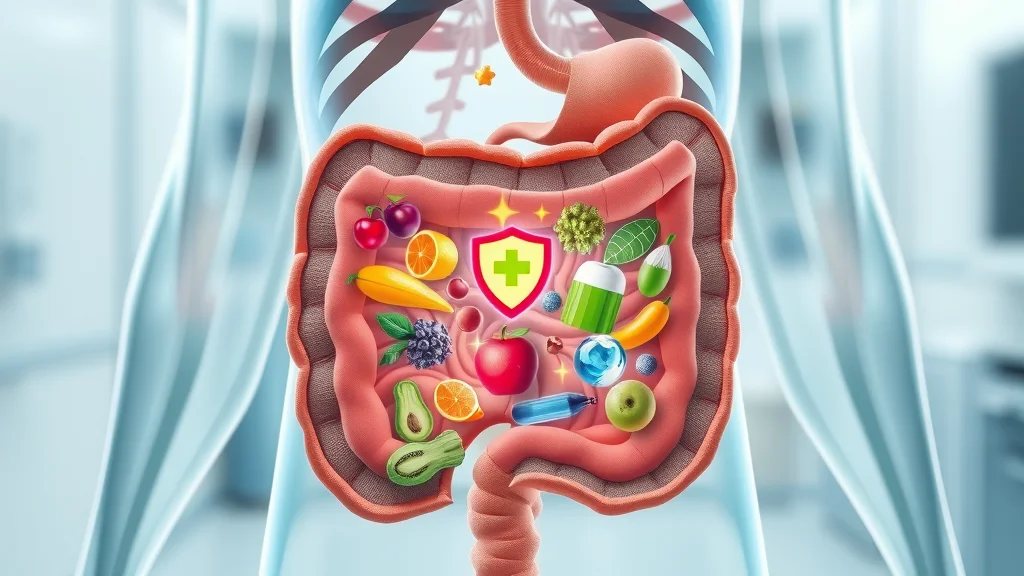
Top Immunity Boosting Foods for Optimal Immune Health
Citrus Fruits: Vitamin C-Rich Boosting Food
- Why citrus fruits like oranges, lemons, and grapefruits boost your immune system
- The mechanism of vitamin C as an immune booster
Citrus fruits are perhaps the most well-known immunity boosting foods—and for good reason. Oranges, lemons, grapefruit, and limes are all brimming with vitamin C, a nutrient famous for its ability to boost your immune defenses. Vitamin C works by supporting the function of white blood cells, which are your body’s first line of defense against infections. It’s also a powerful antioxidant, helping to neutralize free radicals and reduce inflammation, both of which are vital for maintaining a healthy immune system.
Consuming citrus regularly is shown to boost the immune system—not just by reducing the severity and duration of colds, but by aiding wound healing, supporting healthy blood vessels, and enhancing iron absorption. To get the most benefit, aim to include fresh citrus fruits in your breakfasts, snacks, or even salads as a delicious, natural way to protect your immune health year-round.
Green Vegetables and Leafy Greens: Your Daily Immune Booster
- Sources: broccoli, spinach, kale — and their essential nutrients
- Impact on maintaining a healthy immune system
Leafy greens such as spinach, kale, and broccoli pack an impressive punch of essential nutrients—including vitamins A, C, and K, as well as folate, iron, and antioxidants. These ingredients work synergistically to strengthen your immune defenses. For instance, vitamin A supports the health of skin and mucous membranes (crucial barriers to infection), while folate is vital for the rapid production of new immune cells including white blood cells and antibodies.
Consistently including green vegetables in your meals helps to boost your immune system. Their phytochemicals, such as sulforaphane in broccoli, provide added protection against inflammation and promote detoxification pathways in the body. Try adding a handful of leafy greens to smoothies, omelets, or soups for an easy daily immune boost, especially during cold and flu season.
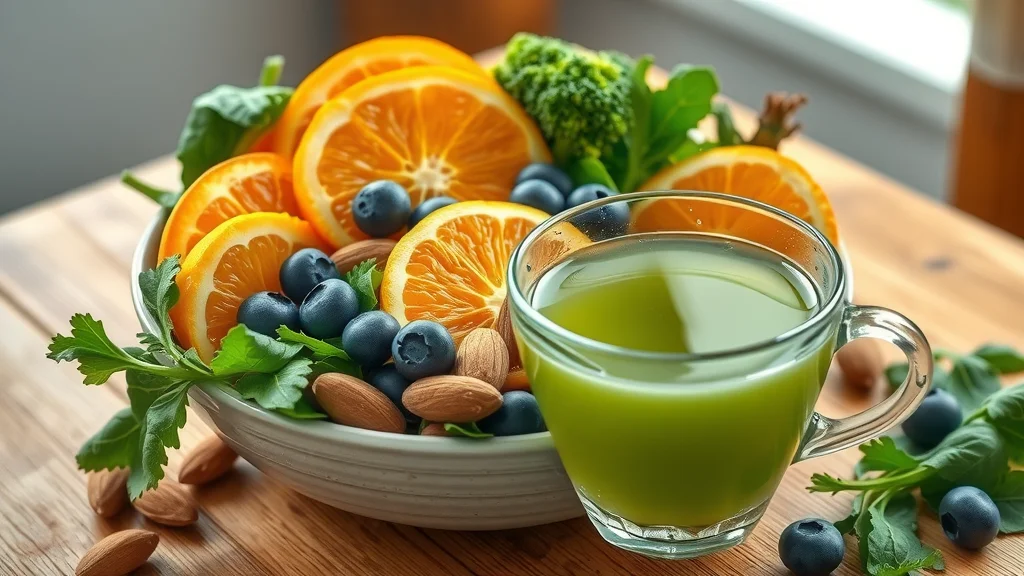
Berries: Antioxidant-Powered Immunity Boosting Foods
- Nutrients in strawberries, blueberries, and their immune boost properties
- Best ways to add berries as a boosting food
Berries—such as strawberries, blueberries, and raspberries—are a top tier source of antioxidants, making them must-have ingredients for immune boost. The abundant flavonoids and vitamin C in berries help to combat oxidative stress, lower inflammation, and protect your white blood cells from damage caused by free radicals. These antioxidant-rich foods are not only delicious but contribute to a healthy immune response by supporting the integrity of cell membranes and reducing the risk of chronic diseases.
Enjoy berries fresh in yogurt bowls, blended into smoothies, or as a topping for salads and oatmeal. The versatility of these flavorful immunity boosting foods makes it easy to incorporate them into meals and snacks throughout your day, further bolstering your immune system with little effort.
Nuts and Seeds: Omega-3s and Vital Minerals for the Immune System
- How almonds, sunflower seeds, and walnuts help boost your immune
- Zinc and vitamin E for immune system strength
Nuts and seeds are an underappreciated but potent source of key immune-supportive nutrients. Almonds and sunflower seeds deliver vitamin E, a powerful antioxidant necessary for maintaining strong cell membranes and fortifying your immune response. Walnuts and chia seeds are rich in omega-3 fatty acids, which can help regulate inflammation and support the activity of white blood cells.
Nuts such as these also provide zinc, a mineral crucial for the growth and function of immune cells. Include a handful of raw, unsalted nuts or sprinkle seeds onto salads and breakfast bowls to maximize your nutrient intake and keep your immune system in peak condition. Consuming these boosting food items daily is an easy, filling way to support overall immune health.
Yogurt and Fermented Foods: Gut Health and Immunity Boost
- The synergy between probiotics/fermented foods and the healthy immune system
- Probiotic-rich options for immune health
Your gut is the heart of your immune defenses, and probiotic-rich foods like yogurt, kefir, sauerkraut, and kimchi are critical for maintaining a healthy immune system. Probiotics help populate your digestive tract with beneficial bacteria that improve the gut barrier, regulate inflammation, and support the production of antibodies.
Eaten regularly, these immune boosting foods strengthen your gut microbiome—an essential factor for both short-term and long-term immune health. To maximize benefits, select yogurt or fermented foods with live and active cultures. Adding a daily serving to your breakfast or snack routines is an excellent way to naturally boost your immune system from within.
Herbs, Spices, and Natural Immune Boosters
- Ginger, garlic, turmeric as age-old boosting foods
- Science-backed immune boost effects
Herbs and spices like ginger, garlic, and turmeric have been prized for centuries as natural ways to boost the immune system. Modern science confirms what traditional cultures have long observed: these ingredients possess potent anti-inflammatory, antiviral, and antibacterial properties.
Garlic contains allicin, a compound shown to enhance white blood cell response and reduce the severity of colds. Ginger and turmeric are both lauded for their antioxidant and anti-inflammatory roles, working to reduce oxidative stress and modulate the immune response. Add fresh ginger or turmeric to teas, smoothies, or savory dishes, and include garlic in sautés and salad dressings for a flavorful—and immune-focused—approach to meals.

Green Tea: Polyphenols for Immune Boost
- How green tea’s antioxidants boost your immune system
- Drinking tips for maximum immune boost
Green tea shines as a beverage that can actively boost your immune system. Loaded with polyphenols (especially EGCG), green tea exhibits strong antioxidant and anti-inflammatory effects, helping your body fight off free radicals and strengthen the function of immune cells. Research suggests drinking green tea may reduce your risk of infections and even protect against chronic conditions like heart disease.
For the best impact, enjoy 1-3 cups of fresh-brewed green tea daily, ideally without added sugar. The gentle caffeine content provides a subtle energy lift, while its antioxidants deliver ongoing protection. As part of your daily hydration routine, green tea stands out as both a delicious and a scientifically backed immune booster.
Essential Nutrients and Their Impact on the Immune System
Vitamins A, C, D, and E as Immunity Boosting Essentials
- Food sources for each vitamin and their immunity boosting foods connection
Each vitamin plays a unique role in supporting immune defenses. Vitamin A (found in carrots, sweet potatoes, and leafy greens) helps recruit and activate immune cells, while Vitamin D (in eggs, fortified foods, salmon, and sunlight) enhances the pathogen-fighting efficacy of white blood cells. Vitamin C is central to the formation and function of immune cells and helps absorb iron from plant sources, and Vitamin E (from nuts and seeds) acts as a powerful antioxidant stabilizing cell membranes and protecting from free radicals.
To maximize immune benefits, aim to eat a variety of foods that cover all these essential vitamins. A colorful plate is often the best indicator that you’re giving your body the tools it needs to thrive and defend.
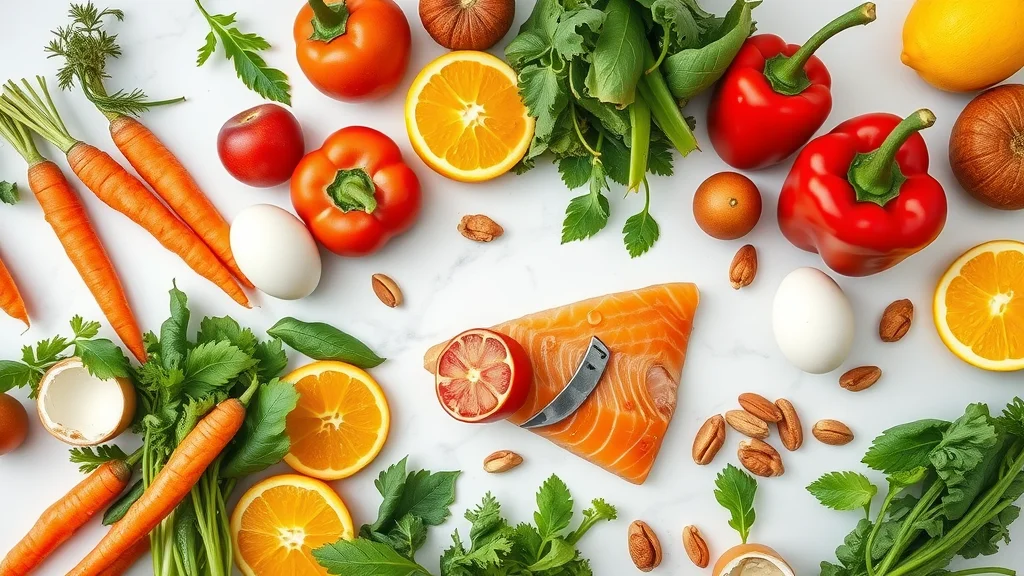
Minerals for Immune Health: Zinc, Selenium, and Iron
- Which immunity boosting foods deliver these crucial nutrients
Key minerals like zinc, selenium, and iron are fundamental for a fully functioning immune system. Zinc (in pumpkin seeds, chickpeas, and shellfish) accelerates wound healing and supports the development of immune cells, while selenium (from Brazil nuts, eggs, and mushrooms) acts as an antioxidant guard. Iron, available in lean red meat, leafy greens, and beans, is vital for producing healthy red and white blood cells.
Incorporating a diverse range of mineral-rich foods helps fill nutritional gaps and ensures your immune system has every micronutrient essential for optimal performance. Always strive for variety over supplements for sustainable, long-term results.
Antioxidants: Combating Free Radicals to Boost the Immune System
- Why antioxidants are vital for healthy immune function
Antioxidants are compounds found in plant-based foods like berries, leafy greens, and some nuts that protect your body’s cells from free radical damage. When free radicals build up (from pollution, stress, or processed foods), they stress your immune system and increase your risk of illness and aging. By regularly consuming antioxidant-rich immunity boosting foods, you help safeguard your white blood cells and maintain a strong, responsive immune system.
Focus on a rainbow of produce—each color group offers a unique set of antioxidants and phytonutrients. The richer and more varied your diet, the more robust your protection against free radical harm and the stronger your immune function overall.
| Food | Main Nutrient(s) | Immune Benefit |
|---|---|---|
| Citrus fruits (oranges, grapefruits) | Vitamin C | Boosts white blood cell production & antioxidant protection |
| Yogurt | Probiotics | Supports gut health and immune response |
| Nuts & seeds (almonds, sunflower, walnuts) | Vitamin E, Zinc, Omega-3s | Reduces inflammation, strengthens cell membranes |
| Berry fruits (blueberries, strawberries) | Antioxidants | Combats free radicals, anti-inflammatory |
| Green tea | Polyphenols | Enhances immune cell function & antioxidant defense |
| Leafy greens | Vitamins A, C, K, Folate | Strengthens barriers, aids cell production |
Building a Daily Meal Plan with Immunity Boosting Foods
- Sample breakfast, lunch, and dinner ideas for a healthy immune system
- Lists of snacks and beverages that support immune health
Constructing a daily meal plan with immunity boosting foods can be delicious and easy. Start breakfast with a yogurt parfait layered with berries, seeds, and a drizzle of honey. For lunch, try a salad of leafy greens topped with slices of citrus, grilled chicken, and a sprinkle of sunflower seeds. Dinner can include a serving of wild salmon with steamed broccoli, and sautéed kale in garlic and olive oil.
Snack on fresh fruit, nuts, or probiotic-rich snacks like kefir or yogurt. For beverages, enjoy green tea, herbal teas, or fresh citrus-infused water. These simple swaps add up—helping to boost your immune system every day by consistently delivering essential nutrients and supporting a healthy gut microbiome.

- Step-by-step walkthrough video highlighting featured immunity boosting foods in a day's menu
A dynamic, easy-to-follow explainer video visually demonstrates preparing meals using immunity boosting foods such as citrus salad, green veggie stir fry, berry smoothie, and probiotic yogurt bowl. The visuals focus on freshness, color, and simple meal prep steps.
People Also Ask: Which Foods Boost Immunity Faster?
- Answer: Foods particularly rich in vitamin C (citrus fruits), zinc (pumpkin seeds, chickpeas), and antioxidants (berries, green tea) offer rapid support to boost your immune system due to their well-documented properties as immunity boosting foods.
People Also Ask: What Are 5 Signs of a Weak Immune System?
- Answer: Common signs include frequent infections (cold/flu), slow wound healing, frequent digestive issues, constant fatigue, and persistent stress responses—indicating the importance of immunity boosting foods in your diet.
People Also Ask: What to Drink for Immunity?
- Answer: Hydration is essential. Immune booster drinks include green tea, fresh citrus juices, turmeric lattes, elderberry tea, and kefir, all of which are considered boosting food and beverage options for a healthy immune.
People Also Ask: How Can I Boost My Immune System Fast?
- Answer: Consume a combination of immunity boosting foods high in key vitamins and minerals, ensure sufficient rest, stay hydrated, and consider short-term supplementation under expert guidance to rapidly boost your immune system.
Incorporating Immunity Boosting Foods: Expert Tips
- Ways to increase intake of boosting food throughout the day
- How to maintain a healthy immune system with practical eating habits
- Suggestions for families, children, and seniors
Integrating immunity boosting foods into daily routines can be as simple as adding a side salad with lunch, preparing a vegetable-rich soup for dinner, or carrying nuts and berries as quick snacks. Encourage children to try berries or yogurt parfaits, and prepare extra soft vegetables and broths for seniors who may have dietary restrictions. Always focus on variety and color in meals for comprehensive nutrient coverage. Maintaining consistent hydration and choosing whole foods over processed snacks ensures long-term immune resilience for every member of the family.
Quote: Insights from Nutrition Experts on Immunity Boosting Foods
"A balanced diet rich in colorful fruits and vegetables is your first and best defense to boost your immune system every day." — Dr. Elise Harper, Registered Dietitian
Common Mistakes to Avoid When Using Immunity Boosting Foods
- Over-relying on supplements instead of whole foods
- Neglecting variety and balance in food choices
- Ignoring hydration as part of immune system support
Supplements may fill temporary gaps, but relying solely on them can lead to nutritional imbalances and overlooked food benefits. Eating a monotonous diet or skipping hydration limits your body’s ability to process key nutrients and undermines immune health. Always prioritize a whole-foods approach, include a spectrum of immunity boosting foods, and keep water or herbal teas readily available to maximize your immune support strategies.
- Short video that challenges common misconceptions and pseudoscience about boosting food and why evidence-based choices matter
This brief video tackles common myths—like “superfoods that cure all” or “vitamin supplements can replace a balanced diet”—and explains why scientific evidence always points to a varied, whole-foods-based approach for true immune support.
Lists of the Best Immunity Boosting Foods by Category
- Fruits: Oranges, berries, kiwi, papaya
- Vegetables: Spinach, broccoli, bell peppers
- Proteins: Eggs, lean poultry, legumes
- Beverages: Green tea, herbal teas, kefir
FAQs on Immunity Boosting Foods and Immune System Health
-
How quickly do immunity boosting foods work?
Most benefits develop over days to weeks of consistent intake, as it takes time to support tissue repair, cell function, and microbiome changes. Some ingredients, like vitamin C, may offer results sooner—especially in reducing cold symptoms duration when continued alongside a healthy lifestyle. -
Are there risks to eating too many boosting foods?
Generally, a varied intake of whole immunity boosting foods is safe. However, excessive supplementation (e.g., high-dose vitamin C or zinc) can cause side effects. Rotate foods for balance and consult a healthcare provider if adding new supplements or major dietary changes. -
Can children benefit from immunity boosting foods?
Absolutely. Kids need a broad mix of nutrients to develop a strong immune system. Favor brightly colored fruits, probiotic yogurt, eggs, and leafy greens—but avoid supplements unless recommended by a pediatrician. -
Which boosting food is best during cold and flu season?
Citrus fruits (vitamin C), berries (antioxidants), garlic (antibacterial), and green tea (polyphenols) are especially helpful during high-risk periods, supporting immune strength and resilience.
Key Takeaways: Immunity Boosting Foods for a Healthy Immune System
- Consistently include a variety of immunity boosting foods in your diet for ongoing protection
- Balance essential nutrients: vitamins, minerals, and antioxidants matter most
- Evidence supports that whole, natural boosting foods work better than supplements for immune health
Ready to Boost Your Immune System? Start with Our Science-Backed Immunity Boosting Foods Meal Plan
Putting these insights into action is the best way to maintain a healthy immune system. Explore our sample meal plan today and take your first step toward vibrant, lasting immune health with delicious, nutrient-rich choices.
If you’re inspired to take your wellness journey even further, consider how holistic self-care can amplify your results. Beyond nutrition, integrating natural beauty rituals—like creating your own nourishing hair oil blends—can help you feel revitalized inside and out. Discover how to craft personalized treatments and embrace a more radiant, balanced lifestyle by exploring our guide on DIY hair oil treatments for natural nourishment. Elevate your daily routine with simple, effective practices that support both your immune system and your overall sense of well-being.


Write A Comment