

Did you know: Recent studies suggest that over 60% of people experiencing anxiety can significantly reduce distressing thoughts in just minutes by using simple grounding techniques. If anxious or distressing thoughts are making it hard to focus or relax, this guide promises expert-backed grounding strategies that can help you reclaim calm, clarity, and control.
A Surprising Fact: The Critical Role of Grounding Techniques in Calming Distressing Thoughts
When a distressing thought takes hold, your mind and body react as if facing a real danger—your heart races, muscles tense, and negative thoughts begin to spiral. This is the body’s nervous system triggering a stress response, making you feel anxious or even as if a panic attack is looming. Grounding techniques intervene at this critical moment. They not only disrupt the cycle of anxious or distressing thoughts but encourage you to refocus on the present moment, helping calm both mind and body. These strategies are more than relaxation exercises—they are practical tools for navigating both acute and chronic anxiety, enabling you to cope with distressing thoughts, feel light, and move through distress with greater ease.
Grounding techniques are an important part of any comprehensive mental health toolkit. When practiced consistently, they build resilience against distressing feelings and negative thought patterns, reducing the intensity of both physical and emotional responses to stress or panic. Whether you are new to grounding or looking to refine your skills, understanding their critical role is the first step toward regaining a sense of control and well-being.
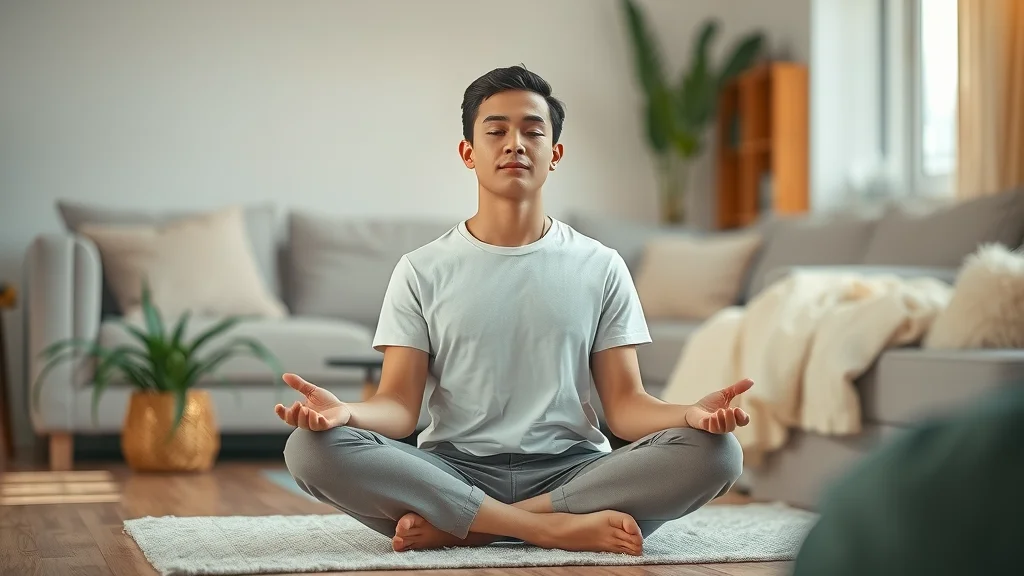
What You'll Learn: Mastering Grounding Techniques for Anxiety and Stress Relief
- Definition and science behind grounding techniques
- Step-by-step methods for physical grounding and mental health support
- Popular grounding techniques like the 5 things grounding technique and the 3-3-3 rule
- Innovative tools and practices for stress management
- Tips for making grounding techniques part of your daily routine
What Are Grounding Techniques?
Grounding techniques are strategies designed to connect your awareness to the present moment, helping you break free from cycles of negative or distressing thoughts. Unlike typical relaxation methods, grounding techniques actively engage your senses, mind, and body, redirecting focus and interrupting the stress response. When you feel anxious or overwhelmed, grounding techniques use physical and mental exercises—like breathing, touch, or visualization—to soothe the nervous system, reduce distressing feelings, and promote good mental health. Whether you’re coping with general anxiety or specific distressing events, grounding offers tangible methods to regain focus and restore calm.
By focusing on what’s real and tangible—what you can see, hear, touch, or feel—you give your brain powerful tools to refocus on the present and move through distress. Many find that practicing grounding exercises not only helps manage acute anxiety but also builds resilience over time, making it easier to handle future stress or panic. Understanding what grounding techniques are is the first step to unlocking their calming potential.
The Science Behind Grounding Techniques and Mental Health
Grounding techniques are backed by a growing body of research in psychology and neuroscience. When you practice grounding, you activate areas in the brain responsible for sensory perception, disrupting negative thought spirals and stimulating the nervous system’s relaxation response. This shift in focus sends a signal to the body that it’s safe, slowing the heart rate and relaxing tense muscles. In essence, grounding brings your awareness out of an anxious mental loop and into the comfort of your favorite place in the present moment—even if just for a few minutes.
For those who experience chronic or severe anxiety, the science of grounding techniques underscores their value as an adjunct to other mental health strategies. By consistently engaging in these simple, evidence-based practices, you can promote good mental health, enhance emotional regulation, and increase overall resilience to distressing thoughts and feelings.

Why Grounding Techniques Help With Distressing Thoughts
When faced with distressing thoughts, your brain can get stuck in cycles of worry or negative thinking. Grounding techniques offer a practical way to break this loop by shifting your attention from distress to the present moment. This is especially important for those dealing with stress or panic attacks, as grounding exercises directly interrupt the mind’s focus on anxieties and distressing feelings. By redirecting attention with a grounding technique—like noticing things you can touch or engaging in mindful observation—you retrain your brain to seek good feelings and security, rather than remaining trapped in fear.
Grounding techniques not only help you cope with distressing thoughts but also help rewire your nervous system over time. The more consistently you practice grounding techniques, the easier it becomes for your body and mind to return to a calm state during future episodes of intense anxiety or stress. In this way, grounding is a proactive and empowering mental exercise for anyone wanting to manage negative thoughts and boost mental health.
For those interested in deepening their mindfulness practice, incorporating small, tangible objects into your grounding routine can be especially effective. Discover how everyday items can help you slow down and breathe mindfully in this guide to using small objects for mindfulness and grounding.
Types of Grounding Techniques: Finding Your Favorite Place of Calm
There’s no one-size-fits-all when it comes to grounding techniques. Everyone’s brain and body react differently to stress, so finding your personal “favorite place” of calm is key. Grounding techniques generally fall into three categories: physical, mental, and sensory/emotional. Each category uses different methods to help you refocus and reduce distressing feelings. Many people discover that combining several types of grounding techniques—in the way that fits their lifestyle and needs—offers the best results. Experiment with various strategies to discover which grounding exercises make you feel most grounded and at ease in even the most anxious or distressing situations.
By learning and practicing these distinct types of grounding techniques, you empower yourself to move through distress, build a more resilient mind, and cultivate a favorite place of safety and comfort within your daily routine.
Physical Grounding Techniques for Anxiety: Step-by-Step Guide
Physical grounding techniques involve using movement, touch, or body awareness to connect you with the present moment and interrupt distressing thoughts. These grounding exercises are particularly effective if you feel overwhelmed by physical symptoms of anxiety, such as muscle tension, rapid heartbeat, or feeling disconnected from your surroundings. Engaging the body provides instant feedback and can help soothe the nervous system even during acute stress or panic attacks.
Common physical grounding techniques include:
- Breathing exercises: Take a deep breath in through your nose for four seconds, hold for four seconds, and exhale slowly through the mouth. Focusing on your breath slows the heart rate and communicates safety to the nervous system.
- The 5-4-3-2-1 grounding technique: Look for five things you can see, four you can touch, three you can hear, two you can smell, and one you can taste. This exercise anchors you to the present moment using your senses.
- Progressive muscle relaxation: Focus on clenching your fists or tensing a specific muscle group for a few seconds, then release. Move through each area of your body, noting the contrast between tension and relaxation to dissipate anxious energy.
- Touch-based grounding methods: Hold a smooth stone, feel the warm or cool texture of a glass, or wrap yourself in a soft blanket. Noticing tactile sensations distracts from anxious or distressing thoughts and provides comfort to your mind and body.

Mental Grounding Techniques for Calming Your Mind
Mental grounding techniques focus on engaging your mind with activities that redirect negative thoughts and cultivate calm. These “mental exercises” are ideal for those who find their anxiety takes the form of repetitive or intrusive thinking. By using imagination, logic, or observation, you give your mind an active task, helping to draw attention away from distress and back to the present moment—a fundamental goal of grounding techniques.
Some powerful mental grounding techniques include:
- Visualization exercises: Picture your favorite place—a quiet beach, a cozy room, or a peaceful forest. Imagine the sights, sounds, and smells, fully immersing yourself in that calming mental space.
- Counting and mathematical tasks: Count backward from 100, recite multiplication tables, or repeat simple math problems aloud. This requires mental focus, making it difficult for negative thoughts or anxious or distressing feelings to dominate.
- Mindful observation: Choose an object in the room and study it in detail. Notice its color, shape, texture, and position. Describe it silently or aloud, bringing your attention fully to that one thing and away from distressing thoughts.
Soothing with Sensory and Emotional Grounding Techniques
Engaging your senses and emotions is another effective way to ground yourself during times of stress or panic. Sensory and emotional grounding techniques rely on pleasant or meaningful stimuli—sights, sounds, smells, tastes, and feelings—to shift your conscious awareness and help calm both body and mind. For many, these methods evoke good feelings and can transport you to your favorite place of comfort and security, even amid turmoil.
Popular sensory and emotional grounding techniques include:
- Aromatherapy: Smell a calming essential oil (like lavender or eucalyptus) or light a favorite candle. Scents can instantly change your emotional state and help you feel light and soothed.
- Listening to calming sounds or music: Play soft music, nature sounds, or a comforting playlist. Let yourself become absorbed in the rhythm, allowing it to carry you away from distressing thoughts.
- Engaging with comforting objects: Hold a keepsake, squeeze a stress ball, or wrap up in a blanket. Associating these objects with calm can trigger soothing memories and anchor you to positive feelings.

How to Use Grounding Techniques in Everyday Life
Incorporating grounding techniques into your daily life ensures you have reliable tools whenever distressing thoughts or anxiety arise. The more you practice grounding techniques, the more natural and effective they become, helping you navigate everyday challenges, unexpected stressors, and even moments of panic. Start by identifying common situations where distressing feelings or stress response tend to occur, such as during work meetings, before sleep, or in crowded spaces. Prepare a shortlist of your favorite grounding exercises—both mental and physical—so you’re ready to use them at a moment’s notice.
Practical application often means setting aside just a few minutes throughout the day to practice grounding exercises, whether or not you’re feeling anxious. By making grounding techniques a habit, you build resilience and retrain both nervous system and brain to seek the present moment, even during anxious or distressing events. Remember, you don’t need a quiet room or special tools—many techniques can be adapted for use at your desk, in the car, or wherever you need relief.
When and How to Use Grounding Technique During Distressing Thoughts
The best time to use a grounding technique is as soon as you notice the signs of anxiety or distress—racing thoughts, tense muscles, rapid breathing, or overwhelming fear. In these moments, grounding techniques act like a reset button for the nervous system, drawing you from cycles of negative thinking and helping you refocus on the present. Recognizing your own emotional triggers—be it social situations, certain memories, or stressful deadlines—helps you prepare and act quickly.
For practical daily use, try quick-access strategies such as deep breathing, the 5-4-3-2-1 method, or squeezing a comforting object in your pocket. Practicing grounding techniques even when you feel calm can reinforce their effectiveness and make them second nature when stress strikes. Over time, these habits support ongoing mental health and empower you to cope with distressing thoughts in any setting.
- Practical daily scenarios
- Recognizing emotional triggers
- Quick-access grounding strategies
Popular Grounding Techniques Explained
Among the many grounding techniques, some have gained popularity for their simplicity and effectiveness. Two of the most recommended are the 5 things grounding technique and the 3-3-3 rule. Both are designed to disrupt distressing thoughts by actively engaging your senses and attention, making them ideal for both acute and chronic anxiety relief. Below, we’ll break down each technique, step-by-step, and provide quick-reference guides to help you get started right away.
Consistently practicing these popular grounding techniques can make a significant difference in your ability to cope with distressing thoughts, reduce the frequency of panic attacks, and promote ongoing good mental health.
The 5 Things Grounding Technique: A Sensory-Based Favorite
The 5 things grounding technique is as easy as it is powerful for managing anxiety and stress. By systematically focusing on what you can see, feel, hear, smell, and taste, you anchor yourself to the present and interrupt cycles of negative thinking. This grounding exercise works anywhere and is a favorite among therapists and clients alike for its accessibility and calming effects.
| Step | What to Do |
|---|---|
| 5 | Notice five things you can see around you—name them silently or aloud. |
| 4 | Focus on four things you can touch—feel their textures, shapes, and temperatures. |
| 3 | Identify three things you can hear—listen attentively for subtle sounds in your environment. |
| 2 | Notice two things you can smell—these could be familiar, comforting, or neutral scents. |
| 1 | Find one thing you can taste—take a sip of water, chew gum, or notice the taste in your mouth. |

The 3-3-3 Rule for Grounding: A Simple Mental Health Trick
The 3-3-3 rule is a quick, powerful grounding technique you can use anytime you feel anxious or overwhelmed. It provides a structured, mental exercise that efficiently redirects attention from distressing thoughts to the present moment by engaging your senses and awareness. This technique is widely recognized by mental health professionals for its ease of use and potential to immediately decrease stress or panic.
| Step | What to Do |
|---|---|
| 1 | Look around and name three things you see—say them quietly to yourself. |
| 2 | Name three sounds you hear—notice background noises, distant voices, or any subtle rhythms. |
| 3 | Move three parts of your body—for example, wiggle your toes, shrug your shoulders, and turn your head. |
Video Demonstration: Top Four Physical Grounding Techniques to Try Today
Evidence Supporting Grounding Techniques for Anxiety and Stress
Grounding techniques have gained prominence in the mental health community due to evidence from both clinical studies and anecdotal reports. Research shows that consistent practice can reduce symptoms of general and social anxiety, interrupt panic attacks, and improve overall emotional regulation. In therapy settings, grounding exercises form the cornerstone of strategies for coping with distressing thoughts and trauma. Practicing grounding techniques not only supports the nervous system in returning to baseline but can also enhance the effectiveness of other mental health interventions, such as cognitive behavioral therapy.
"Consistent use of grounding techniques has been shown to reduce symptoms of anxiety in clinical studies."
With this scientific backing, grounding techniques are recognized as essential habits for anyone looking to build resilience, improve coping skills, and promote ongoing good mental health. This foundation of research makes grounding techniques a valuable resource for people of all ages and backgrounds.
Making Grounding Techniques a Habit: Best Practices and Tips
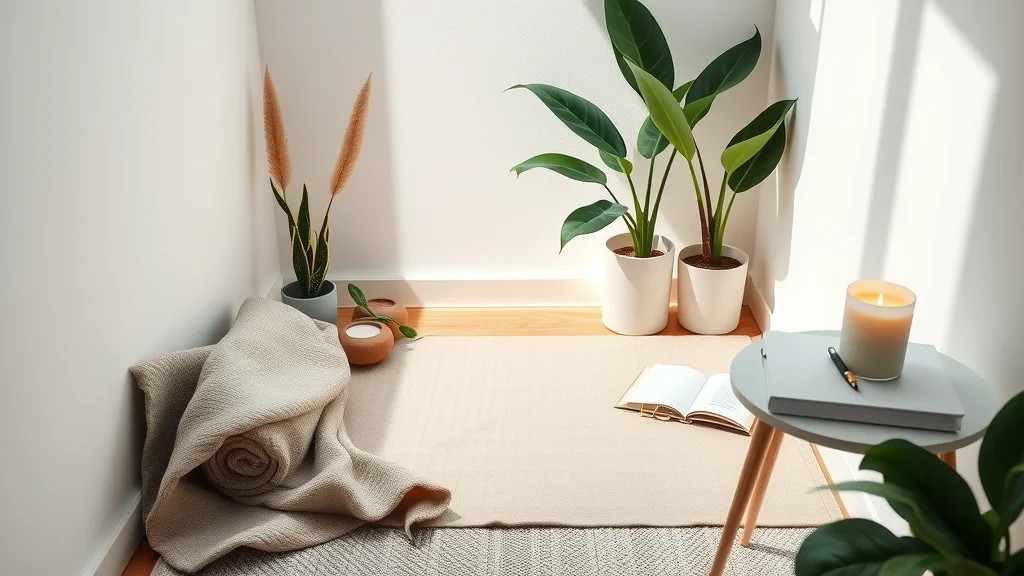
Building grounding techniques into your daily habits ensures you’re always prepared to face distressing thoughts or moments of anxiety. The key to lasting impact is consistency: the more you practice, the stronger the neural pathways that support calm and resilience. Many people find it helpful to create a physical or mental “favorite place” at home where they can practice grounding, pairing it with reminders or daily rituals. You can also combine grounding techniques with other wellness activities, such as journaling, yoga, or mindfulness, to maximize their stress-relieving benefits.
- Setting reminders to practice grounding
- Creating a 'favorite place' at home
- Combining grounding with other mental health strategies
Over time, these habits can transform how you react to anxiety or distressing thoughts, helping you navigate life’s challenges with greater confidence and comfort.
Common Challenges: When Grounding Techniques May Not Be Enough
While grounding techniques are powerful tools for managing distressing thoughts and anxiety, there may be times when they feel less effective or don’t bring instant relief. This is especially true during intense episodes of panic or for individuals with deeply rooted trauma or chronic anxiety disorders. It’s important to remember that grounding techniques are most effective when combined with a larger mental health plan that might include therapy, medication, or other coping skills. If you notice persistent distressing thoughts or a lack of improvements despite consistent practice, consider seeking support from a mental health professional for personalized strategies.
Even when grounding doesn’t work perfectly at first, with patience and persistence, effectiveness usually improves over time as your mind and nervous system adapt. Recognizing the limitations is not a setback—it's a reminder to take care of yourself holistically and seek outside guidance if needed.
Troubleshooting: Why Isn’t My Grounding Technique Working?
Several factors can impact the effectiveness of grounding techniques. Common obstacles include difficulty focusing on the exercise, finding that distressing thoughts increase temporarily before subsiding, or feeling disappointed by a lack of instant results. In these situations, try mixing up your routine—alternate physical grounding with mental or sensory approaches, or invite a trusted friend to practice with you. If you are struggling, remember it’s normal to face challenges and that persistence often leads to breakthroughs. Consider these troubleshooting tips:
- Difficulty focusing
- Intensifying distressing thoughts
- Lack of instant results
Adjusting expectations and giving yourself time can help you move through distress more easily and develop greater mental health resilience in the long term.
Expert Advice: Mental Health Professionals on Grounding Techniques
Mental health experts universally support grounding techniques as safe, accessible ways to manage acute stress and anxiety. However, professionals also emphasize that while grounding won’t cure underlying conditions, it offers a vital first line of defense for regaining control and preventing escalation of distressing thoughts. According to therapists, the key to success is to personalize your grounding routine, stay consistent, and reach out for extra support when you need it.
"Grounding techniques are not a cure-all, but they offer vital tools for managing acute anxiety and regaining control." — Licensed Therapist
If you’re unsure which grounding techniques are best for you, consulting with a mental health provider can offer clarity and tailor strategies to your needs. Remember, you are not alone—guidance and support are always available.
Video Interview: Mental Health Experts Discuss the Impact of Grounding Techniques
People Also Ask About Grounding Techniques
What is the 5 things grounding technique?
Explanation and breakdown of the 5 senses approach for managing distressing thoughts and anxiety.
The 5 things grounding technique is a fast, effective grounding exercise for anxiety and distressing thoughts. Here’s how it works: Pause and identify five things you can see, four you can touch, three you can hear, two you can smell, and one you can taste. By moving systematically through each sense, you bring attention away from distressing thoughts and into the present moment. This sensory approach calms both the mind and body, making it easier to cope with anxiety or stress and promoting good mental health on a daily basis.
What is the 3-3-3 rule for grounding?
Simple guide on the 3-3-3 rule—how it supports mental health and acts as a grounding technique.
The 3-3-3 rule provides a simple yet powerful way to disrupt distressing thoughts and anchor yourself in the present moment. To practice, look around and name three things you see, three things you hear, and move three body parts. This mental health trick is especially useful if you feel anxious in public or when intrusive thoughts begin to spiral. It breaks the mental cycle and allows space for calm and control to return quickly.
How to calm your nerves quickly?
Immediate grounding strategies and tips for rapid anxiety and stress relief.
For fast relief during anxiety, physical grounding techniques like focusing on your breath, placing your hands on a cool or warm object, or engaging in the 5-4-3-2-1 method are highly effective. Quick grounding exercises distract your nervous system from panic, helping you feel lighter, reduce stress response, and refocus on the present moment. Practicing grounding exercises consistently increases their calming effects over time.
What happens if you do grounding every day?
Overview of the potential benefits and effects of using grounding techniques regularly.
Daily practice of grounding techniques helps rewire your nervous system for resilience, making it easier to cope with distressing thoughts and anxiety. Over time, you'll notice reduced frequency and intensity of anxiety or panic attacks, improved mood, and a greater sense of self-control. Regular grounding can also promote good mental health habits and foster your favorite place of calm, becoming a foundation for lifelong emotional well-being.
Frequently Asked Questions on Grounding Techniques
Can grounding techniques help with chronic anxiety?
Yes, grounding techniques provide ongoing support for those with chronic anxiety by interrupting persistent cycles of distressing thoughts and building mental health resilience. While not a replacement for therapy or medication in severe cases, they offer valuable supplemental relief.
Are grounding techniques safe for everyone?
Grounding techniques are generally safe and suitable for all ages, but those with trauma should approach sensory exercises mindfully. If a particular technique increases distressing feelings or triggers negative thoughts, try another method or consult a mental health professional.
Can grounding techniques replace medication for anxiety and distressing thoughts?
Grounding techniques are powerful for managing symptoms, but they are not a substitute for medication or professional care if needed. Always consult with your healthcare provider to create a comprehensive plan for managing anxiety or persistent distressing thoughts.
Key Takeaways: Why Grounding Techniques Are Essential for Managing Anxiety and Stress
- Grounding techniques interrupt cycles of distressing thoughts and calm the mind.
- Both physical and mental strategies are valuable for different situations.
- Making grounding a daily habit fosters ongoing mental health resilience.
Ready to take control of anxiety? Start incorporating grounding techniques into your daily routine for better mental health today.
If you’re looking to expand your toolkit for managing anxiety and stress, consider exploring broader strategies that address the root causes of overwhelm and emotional imbalance. Building on the foundation of grounding techniques, you can discover additional methods to regain balance and foster resilience in everyday life. For a deeper dive into practical approaches that complement grounding, explore these six simple strategies for overcoming overwhelm and restoring calm. Taking the next step in your wellness journey can empower you to navigate life’s challenges with greater confidence and peace of mind.


Write A Comment