

Did you know? Over 80% of women will experience symptoms of hormonal imbalance at some point in their lives—affecting everything from mood and weight to sleep and skin. Yet, understanding hormone balance can empower women to take charge of their health, spot symptoms early, and make informed choices that support lifelong well-being. This comprehensive guide offers clear, actionable advice every woman should know to master her hormonal health.
Hormone Balance Basics: Understanding Your Hormonal Health
- Defining hormone balance and hormonal imbalance: Hormone balance means your body's chemical messengers—or hormones—are working in sync, supporting all essential body functions. When this harmony is disrupted, hormonal imbalance occurs, causing a wide variety of symptoms, from fatigue and mood swings to changes in your skin or weight.
- Why hormone balance matters for women’s health: Hormones control your menstrual cycle, fertility, metabolism, mental health, and more. Maintaining balance is fundamental for energy, emotional wellbeing, and even lowering your cancer risk.
- Overview of the endocrine system and its role in maintaining hormone balance: Your endocrine system is made up of glands such as the ovaries, thyroid, pituitary, and adrenals, which produce and regulate hormones. When functioning optimally, these glands ensure the right levels of hormones are delivered throughout your body at the right times.
Understanding these basics provides an essential foundation to recognize symptoms of hormonal imbalance and prioritize hormone health at every age.
What You'll Learn About Hormone Balance
- The science behind hormone balance
- Common causes and symptoms of hormonal imbalance
- Practical steps to achieve optimal hormone balance
- When and how to consult a healthcare provider about hormone balance concerns
- FAQ: Answers to top questions about hormonal balance
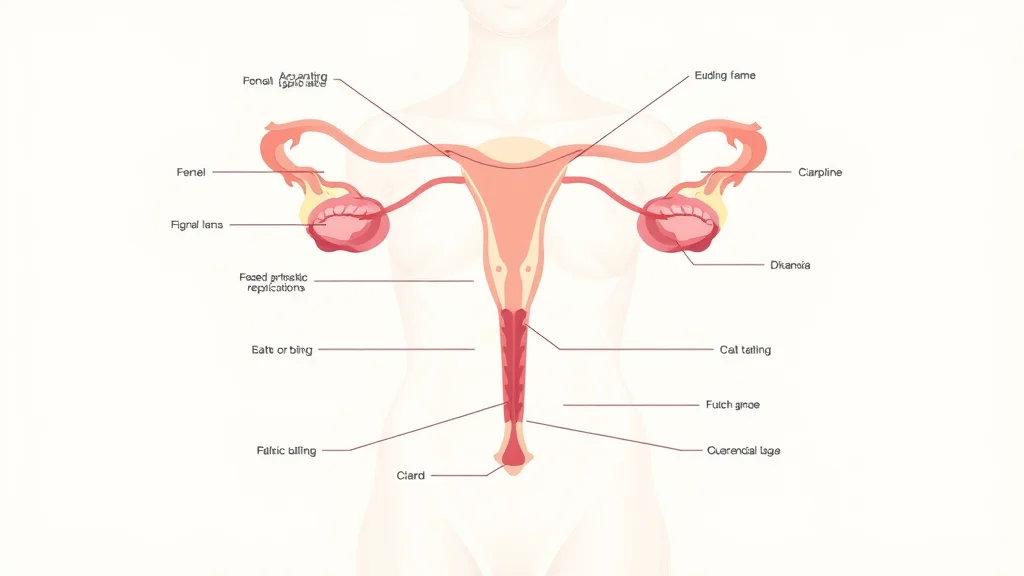
The Endocrine System: The Foundation of Hormone Balance
- Anatomy of the endocrine system: The endocrine system is a network of endocrine glands including the pituitary, thyroid, adrenals, pancreas, and ovaries. Each gland produces specific hormones that direct crucial processes like growth, metabolism, and reproduction.
- How the endocrine system regulates hormone balance: These glands release hormones as “chemical messengers” to target organs, working together in feedback loops to maintain balance. For instance, the pituitary gland ramps up or down hormone production based on signals from your body’s other organs.
- Major glands involved in hormone balance: The thyroid manages metabolism, the ovaries control reproductive hormones like estrogen and progesterone, the pituitary acts as the master regulator, and the adrenals influence stress response. When one gland malfunctions, imbalances cascade throughout the system, affecting every aspect of your health.
“Hormone balance is the cornerstone of a woman’s well-being, affecting everything from mood to metabolism.” – Dr. Lisa Matthews, Endocrinologist
Key Sex Hormones and Their Role in Hormone Balance
- Oestrogen, progesterone, and testosterone: These sex hormones are essential for reproductive health, menstrual regulation, bone strength, and even mood. Oestrogen and progesterone levels fluctuate naturally, while testosterone also plays an important (often overlooked) role in energy and sex drive.
- How sex hormones fluctuate across the life cycle: From puberty—when sex hormone production surges—to perimenopause and menopause, when levels fall, these fluctuations shape a woman’s health, influencing periods, fertility, and even mental health.
- Connection between sex hormone changes and hormonal imbalance: Imbalances in estrogen, progesterone, or testosterone can cause weight gain, menstrual issues, and mood symptoms, especially during transitions like menopause.

As you explore the impact of hormonal shifts throughout a woman's life, it's important to recognize how self-care and mindset can support well-being during major transitions. For a deeper look at embracing self-love and resilience during menopause, you may find this guide to self-love during menopause especially insightful.
Symptoms of Hormonal Imbalance: What to Watch For in Hormone Balance
- Common symptoms: Watch for mood swings, weight gain, irregular periods, sleep problems, and skin issues—all classic signals of a hormone imbalance.
- Link between mental health and hormone balance: Imbalances involving sex hormones, thyroid hormone, or stress hormones can also cause mental health symptoms like anxiety or depression.
- How to recognize the signs of hormonal imbalances early: Spotting subtle changes—like increased fatigue, changes in blood sugar, or unexplained weight shifts—means you can take steps sooner with a primary care or healthcare provider.
| Symptom | Possible Cause | Primary Hormones Involved |
|---|---|---|
| Irregular periods | PCOS, perimenopause, thyroid dysfunction | Estrogen, progesterone, thyroid hormone |
| Weight gain | Insulin resistance, low thyroid | Insulin, thyroid hormone, cortisol |
| Mood swings | PMS, perimenopause, chronic stress | Estrogen, progesterone, cortisol |
| Sleep problems | High stress, menopause | Progesterone, cortisol |
| Acne/skin changes | PCOS, high testosterone | Testosterone, estrogen |

Common Causes of Hormonal Imbalances and Disruption of Hormone Balance
- Lifestyle factors: Chronic stress, unhealthy diet, inadequate sleep, and low activity levels are common disruptors. Persistently high stress can boost cortisol and throw off your whole endocrine system.
- Health conditions and medical conditions: Issues like thyroid disorders, PCOS, diabetes, and adrenal dysfunction often underlie persistent hormonal imbalances.
- Environmental factors and endocrine disruptors: Exposure to pollution, certain plastics, pesticides, and even some personal care products may interfere with hormone production or mimic hormones, throwing off your balance.
- Medications that impact hormone balance: Birth control pills, steroids, thyroid medications, and some antidepressants can affect natural hormone levels. Always consult your care provider about potential side effects.
The Impact of Hormone Imbalance on Health and Well-being
- Physical impacts: Imbalances frequently cause weight gain, persistent fatigue, and reproductive challenges like infertility or irregular cycles. They can also influence blood sugar and increase cancer risk—including ovarian cancer.
- Mental health consequences: Hormonal changes often underlie anxiety, depression, and brain fog, especially during PMS, perimenopause, or with thyroid dysfunction.
- Cancer risk and hormone imbalance: Studies link certain imbalances—especially with estrogen or growth hormone—to increased risks of breast, ovarian, or uterine cancer. Early management and regular screening are essential.

The Role of Thyroid Hormone in Hormone Balance
- Thyroid hormone and its functions: Produced by the thyroid gland, this hormone regulates metabolism, energy, temperature, and even cholesterol—making it essential for hormonal balance.
- Signs of thyroid-related hormonal imbalance: Symptoms can include unexplained weight gain or loss, hair thinning, dry skin, fatigue, and mood shifts. Thyroid issues can lead to systemic hormonal imbalances that impact other key hormones.
- When to seek care from a healthcare provider for thyroid issues: If you have persistent fatigue, sensitivity to cold, or inexplicable changes in weight, consult a primary care or healthcare provider for testing and tailored treatment.
How to Achieve and Maintain Hormone Balance: Strategies for Every Woman
- Focus on diet and nutrition for hormone balance: A balanced diet rich in fiber, healthy fats, and lean proteins helps stabilize blood sugar—which is crucial for hormone production. Include foods high in omega-3s (like salmon and flaxseed) and antioxidants (leafy greens, berries).
- Physical activity and stress management: Regular movement—like walking, yoga, or strength training—supports metabolism and hormone health. Mindfulness practices, such as meditation or breathing exercises, can lower cortisol.
- Sleep hygiene and its role in hormone balance: Good sleep is vital. Aim for 7-9 hours per night to allow hormones to replenish and balance. Sleep problems often signal or aggravate hormonal imbalances.
- Reducing exposure to endocrine disruptors: Choose glass over plastic for food storage, opt for natural personal care products, and wash fruits and vegetables to minimize exposure to hormone-mimicking chemicals.

Watch a leading endocrinologist break down the essentials of hormone balance for women (video not displayed in this format).
The Importance of Consulting a Healthcare Provider for Hormone Balance
- When to contact a healthcare provider: If you have persistent changes in your menstrual cycle, mood, energy, or symptoms of hormonal imbalance, consult your primary care or specialist.
- How care providers evaluate and treat hormonal imbalances: Providers use questionnaires, physical exams, and lab tests to pinpoint the issue. Treatments can include lifestyle counseling, medications, or targeted therapies.
- Questions to ask your healthcare provider about hormone balance: What tests are recommended? What might be causing my symptoms? Are there safe and effective natural interventions to try?
“If you notice persistent changes in your cycle, mood, or energy, it’s time to talk to your healthcare provider about your hormone balance.”
Testing and Diagnosis: How To Check Your Hormone Balance
- Common tests for evaluating hormone balance: Blood tests for estrogen, progesterone, testosterone, thyroid, and cortisol levels are standard. Sometimes, urine or saliva tests provide a more detailed hormonal profile.
- Understanding lab results related to hormonal imbalance: Ask your healthcare provider to explain your hormone levels and how they fit with your symptoms—and to rule out underlying medical conditions like PCOS, diabetes, or thyroid disorders.
- Communicating results with your care provider: Bring a symptom diary and all recent test results to appointments, and don’t hesitate to ask if your hormone health plan should include lifestyle changes, medications, or further tests.

Hormone Reset Protocols: What Is the 14-Day Hormone Reset?
- How a hormone reset works and for whom it’s appropriate: A 14-day reset is designed as a focused regimen of dietary changes, stress management, and gentle activity—often used for women wanting to “jumpstart” hormone health.
- Evidence and controversy around the 14-day hormone reset: Some women report improved energy and symptom relief, but strong clinical evidence is limited. Not all resets are safe for everyone, especially those with underlying medical conditions.
- Best practices for a safe hormone reset: Always consult your primary care or healthcare provider before starting. Focus on eating whole foods, prioritizing sleep, and avoiding fad diets or extreme detox protocols.
Curious? Get the facts about the 14-day hormone reset—its benefits, controversies, and expert advice—in this easy-to-understand explainer video (video not shown in this format).
Managing Weight Gain and Hormonal Imbalance
- Why hormone imbalance often leads to weight gain: Key hormones like insulin, cortisol, estrogen, and thyroid influence metabolism and fat storage. Imbalances lead to increased appetite, slower metabolism, and weight gain—especially around the belly.
- Evidence-based strategies to manage weight and improve hormone balance: Stabilizing blood sugar through balanced meals, reducing stress, and prioritizing movement make a powerful difference. Pair this with regular check-ins with your primary care provider for guided support.
- Role of sex hormones in metabolism: Fluctuating sex hormone levels during menopause or PCOS often slow metabolism, requiring adjustments in nutrition and activity habits for effective weight management.

Lifestyle Changes That Support Hormone Balance
- Nutrition tips for hormone balance: Choose a Mediterranean-style or whole-foods diet, limit sugar, and include plenty of fiber to stabilize blood sugar and promote a healthy gut—essential for hormone metabolism.
- Exercise and movement for hormonal balance: Women benefit from a mixture of strength training, walking, and flexibility exercises that support insulin function and lower stress hormones like cortisol.
- Mindfulness and stress reduction for hormone health: Stress chronically disrupts the endocrine system. Practices like gratitude journaling, yoga, and mindful breathing restore calm and hormonal equilibrium.

Supplements and Alternative Therapies for Hormone Balance
- Popular supplements for hormone balance and their science: Some women use vitamin D, magnesium, or inositol based on their provider’s recommendation. Herbal options like chasteberry may support cycle regulation for some, but not all supplements are well-studied.
- Alternative therapies: acupuncture, herbal remedies: Acupuncture and select plant-based remedies have been traditionally used for hormonal balance, though clinical evidence is mixed. Always discuss risks and benefits with your healthcare provider.
- Discussing options with your healthcare provider: Since supplements can interact with medications or underlying health issues, it’s important to talk with a trusted provider before starting any therapy.
“There’s no one-size-fits-all approach to hormone balance. Women should work closely with a trusted care provider when making decisions about therapy or supplements.”
Hormone Balance across Different Stages of Life
- Hormonal balance during puberty, the reproductive years, pregnancy, perimenopause and menopause: Each stage brings unique hormonal shifts and demands: puberty’s hormonal surge, cycle variations during reproductive years, major changes during pregnancy, and fluctuating hormones through perimenopause and menopause.
- Changing needs for hormone balance throughout a woman's life: For instance, bone health, fertility, and metabolism each require different strategies and medical attention as women age.
The Relationship Between Hormone Balance and Mental Health
- How mental health symptoms can reflect hormonal imbalances: Fluctuations in estrogen and progesterone can trigger or worsen anxiety, depression, or irritability, especially around the menstrual cycle or during menopause.
- The role of hormone balance in managing anxiety, depression, and more: Addressing underlying hormonal causes can make traditional mental health support—like talk therapy or medication—more effective.
| Mental Health Condition | Possible Hormonal Link | Recommended Supports |
|---|---|---|
| Depression | Low estrogen, thyroid dysfunction | Therapy, hormone evaluation, lifestyle changes |
| Anxiety | PMS, perimenopause, cortisol excess | Mindfulness, hormone balancing, counseling |
| Brain Fog | Perimenopause, thyroid imbalance | Cognitive exercises, care provider evaluation |
The Role of Your Care Provider: Supporting Women’s Hormone Balance
- Choosing the right healthcare provider for hormonal health: Look for experience with women’s health, open to both traditional and integrative care approaches.
- Building a partnership with your care provider: Share concerns openly, keep a journal of symptoms, and revisit your plan regularly to adjust for life’s hormonal changes.
People Also Ask: How Do I Balance My Hormones?
-
Step-by-step guide to balancing hormones at home and with professional help:
- Eat a whole-foods, fiber-rich diet and avoid processed sugars.
- Make regular movement a daily habit.
- Prioritize 7-9 hours of restorative sleep each night.
- Reduce stress through mindfulness or yoga.
- Limit exposure to endocrine-disrupting chemicals.
- If symptoms persist, see a healthcare provider for personalized evaluation and care.
- Answer: Balancing hormones requires addressing lifestyle, diet, stress, sleep, and, when necessary, medical treatment with guidance from a healthcare provider.
People Also Ask: What are the Signs of Hormonal Imbalance?
- "Symptoms women should be aware of"
- Answer: Common signs include mood changes, weight gain, irregular periods, fatigue, and changes in hair or skin health.
People Also Ask: What is the 14 Day Hormone Reset?
- Overview of the 14-day hormone reset program: A 14-day hormone reset focuses on dietary and lifestyle tweaks to restore hormone balance, such as eating more whole foods, cutting out refined sugar, and increasing sleep and movement.
- Answer: The 14-day hormone reset is a short-term protocol designed to restore hormonal balance through dietary and lifestyle interventions, but evidence of effectiveness varies.
People Also Ask: How Do I Check My Hormones Balance?
- Tests available through a healthcare provider: Most women start with blood panels focusing on estrogen, progesterone, testosterone, thyroid, and sometimes cortisol.
- Answer: Hormone balance can be checked through blood, urine, or saliva tests ordered and interpreted by a qualified healthcare provider.
FAQs About Hormone Balance
-
How long does it take to restore hormone balance?
It depends on underlying causes and lifestyle changes. Some women see improvement within a few weeks, while others may take several months. Consistency is key to supporting healthy hormone levels.
-
Can birth control pills cause hormone imbalance?
Birth control pills alter natural hormone production to prevent pregnancy. For some women, this can lead to side effects or post-pill symptoms. Discuss options and risks with your healthcare provider.
-
Is hormone balance possible during menopause?
Yes. While menopause naturally shifts hormone levels, symptoms can be managed through lifestyle, targeted therapies, and regular care provider support.
-
Are natural remedies for hormone balance effective?
Some women find benefit from dietary supplements and herbal remedies, but evidence varies and safety must be considered. Always consult your care provider before starting any new supplements.
Key Takeaways for Achieving Hormone Balance
- Hormone balance is foundational for every woman’s health
- Symptoms of hormonal imbalance are common but manageable
- A healthcare provider’s guidance is essential for diagnosing and treating hormonal imbalances
- Healthy lifestyle choices are the cornerstone of hormonal balance at every life stage
Video insert: Dynamic 60-second animated explainer about the basics of hormone balance for women featuring clean transitions, soft color palettes, diverse representation, and easy-to-understand visual metaphors for hormonal health.
Setting Up an Appointment: Take the First Step Towards Hormone Balance
Ready to take charge? Reach out to a trusted healthcare provider to discuss your symptoms, request hormone testing, and create a customized plan. Prioritize your health—because acting now can make all the difference for your lifelong hormonal wellbeing.
Conclusion: Achieving hormone balance is within every woman’s reach—through knowledge, proactive care, and healthy lifestyle choices. Begin your journey today towards vibrant health and empowered living.
If you’re interested in optimizing your daily habits for better hormonal health, consider how your evening nutrition can influence sleep and overall balance. Discover practical strategies for nighttime eating that support restorative rest and hormone regulation in this essential guide to eating at night for better sleep. Exploring these advanced tips can help you take your wellness journey to the next level, empowering you to make mindful choices that benefit both your hormones and your quality of life.


Write A Comment