

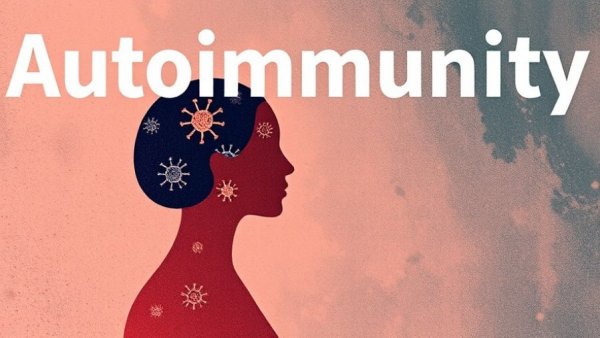
Understanding Autoimmunity through the Lens of Women’s Stories
Autoimmunity is often described through the clinical language of medical science, but it is profoundly shaped by the stories and experiences of those who navigate these conditions daily. In a world where women frequently shoulder the burden of caretaking and emotional labor, the connections they draw between their identities and their health reveal significant insights into autoimmunity, especially among women diagnosed with chronic conditions.
Challenging the 'Good Girl' Expectations
Sara Hirsh Bordo’s journey highlights a persuasive narrative common among women—one in which their worth is tangled with a relentless drive to fulfill societal expectations. As Bordo reveals in her upcoming book, Autoimmunity and the Good Girls, many women grapple with identities forged by the pressure to be helpful, responsible, and unfailingly supportive. This drive often places their needs at the margins, leading to self-neglect that could have profound implications for their health.
In our conversation, Bordo expressed a fear many women share: the anxiety of disappointing others by prioritizing self-care. "What will my family think? Will I disappoint someone?" These fears serve as a barrier, hindering women from seeking the health and well-being they deserve.
The Intersection of Birth Order and Health
One of Bordo’s fascinating observations is the connection between birth order and autoimmune conditions. After informal surveys revealed that 70 percent of the women she studied were either eldest or only daughters, she posits that heightened responsibilities from an early age may play a role in their health outcomes. While these findings are observational rather than scientifically vetted, they raise vital questions about how our roles within families shape not just emotional responses but also physiological ones.
Additionally, the common narratives of women who have expressed taking on excessive responsibilities—regardless of birth order—suggest a broader social theme: many women internalize the need to put others' needs first, leading to stress and potential health issues.
Our Bodies as Storytellers
Bordo suggests that the body communicates not only through the language of medical science but also through the stories embedded in our lives. "Our body doesn’t just speak science; it speaks story," she asserts. This poetic interpretation draws attention to the emotional and psychological dimensions of health. It acknowledges that experiences, traumas, and expectations play a critical role in our overall health.
This perspective is vital as we consider how emotional wellness intersects with physical health. When women tell their stories, they aren’t merely sharing their struggles; they are offering narratives of survival, resilience, and even transformation, and these stories might be essential to our overall understanding of health.
Empowerment through Sharing Stories
The discussions that continue to arise in groups of women—like the emotional Zoom conversation Bordo held with a group of women of color—illustrate the power of shared narratives. These conversations not only provide support but challenge ingrained expectations. Women often leave these discussions with a renewed sense of agency, having aired fears, shared personal burdens, and together strategized new pathways toward self-advocacy.
When women commit to owning their experiences and retelling their narratives, they can replace ingrained “shoulds” with personal truths and newfound self-permission. This shift can lead to unlocking healthier perspectives and lifestyle choices that prioritize their well-being.
Bridging Personal and Collective Health
Reflecting on Bordo’s insights leads us to consider the communal aspects of health. Holistic wellness incorporates not just individual choices but a collective wisdom that emphasizes shared experiences. Progressing toward a world that encourages women to redefine their narratives aligns with a broader societal shift toward holistic health approaches, where emotional and physical realms are interwoven.
As Bordo suggests, examining expectations handed down through generations might free women from hindering beliefs rooted in obligation. Creating a healthier narrative leads to improved outcomes not just for individuals but also their communities, as personal healing often fosters collective resilience.
In a context where mindfulness and holistic practices are rising, it becomes increasingly critical to recognize how deeply interpersonal relationships and inherited norms influence health outcomes. Recognizing and sharing personal stories has the potential to radically shift health perspectives, from merely managing symptoms to understanding the systemic issues that affect women’s health.
Take Charge of Your Health Narrative
Understanding and integrating the stories shared by women like Sara Hirsh Bordo into our lives can empower us to rethink our health narratives. By allowing ourselves the freedom to break social molds and redefine expectations, we can cultivate a healthier relationship with our bodies and our wellness journeys. Start by exploring your own story, challenge inherited norms, and allow your voice to reshape not only personal health but also the narrative for future generations.



Write A Comment