

Hook: Did you know nearly 35% of adults get less than the recommended 7 hours of sleep per night? With sleep so critically tied to overall health, establishing a healthy evening routine is more important now than ever before.
Unlocking the Power of a Healthy Evening Routine: Surprising Statistics and Facts
"Nearly 35% of adults say they get less than the recommended 7 hours of sleep per night — making a healthy evening routine more crucial than ever."

Research consistently shows that sleep deprivation negatively affects your health, memory, mood, and productivity. When we fail to maintain a healthy evening routine, we're not only robbing ourselves of quality sleep, but increasing the risk of chronic illness, higher blood pressure, and poor mental resilience. Studies connecting bedtime routines with improved sleep hygiene have highlighted major improvements in falling asleep and staying asleep, simply by sticking to a consistent sleep schedule and limiting evening screen time. With sleep issues on the rise—revealed by increasing demand for sleep medicine and rising cases of insomnia—it's clear: intentional evening rituals aren't just trends, but a necessity for healthy sleep and overall wellbeing.
Why Prioritizing a Healthy Evening Routine is Essential for Sleep Hygiene
Prioritizing a healthy evening routine is your first line of defense against poor sleep and the domino effect it has on your mind and body. Habits like winding down with relaxing activities, controlling exposure to blue light, and following a structured bedtime routine can radically boost your sleep quality. These rituals not only prepare your brain for rest, but also calibrate your circadian rhythm, the body’s natural sleep/wake clock. Individuals who commit to consistent pre-bed routines experience fewer struggles with falling asleep, wake fewer times during the night, and enjoy more restful sleep—creating a positive feedback loop that makes healthy sleep both attainable and sustainable.
What You'll Learn About Building a Healthy Evening Routine
- Understand core elements of sleep hygiene
- Discover proven bedtime routine habits
- Learn actionable steps to fall asleep fast
- Identify and address common sleep issues
- Design a personalized healthy sleep ritual

Understanding the Science: Healthy Evening Routine and Sleep Quality
How Circadian Rhythm Influences a Healthy Evening Routine
The circadian rhythm is your biological clock—an internal system that signals when it’s time for bed and when to wake. This rhythm is influenced by external cues, such as light and lifestyle choices. A healthy evening routine works with your circadian rhythm, not against it. By reducing blue light exposure before sleep, dimming lights, and avoiding stimulating activities in the hours before bed, you help your body gradually lower body temperature and secrete melatonin, both preparing you to fall asleep. Disregarding these natural cues by scrolling devices late at night or keeping irregular hours disrupts your sleep schedule and undermines sleep quality. Embracing a mindful pattern signals to the body that it’s time to relax, shut down busy thoughts, and enter a state conducive to restorative sleep.
A healthy evening routine should be seen as an ally in syncing your lifestyle with your natural clock. When you protect this rhythm by practicing good sleep hygiene, you improve both the quantity and quality of your sleep, decreasing the likelihood of poor sleep or waking in the middle of the night. Remember, consistency in your behaviors helps train your body to anticipate rest—making falling asleep faster and easier.
As you refine your evening routine for better sleep, it's worth noting that holistic self-care can extend beyond bedtime rituals. For example, incorporating natural wellness practices—such as nourishing your hair and scalp with a DIY hair oil treatment—can be a relaxing addition to your wind-down process, supporting both relaxation and overall wellbeing.
The Role of Bedtime Routine and Sleep Hygiene for Good Sleep
Bedtime habits and sleep hygiene form the foundation of good sleep. Sleep hygiene encompasses your daily and nightly routines that contribute to consolidated, restful, and uninterrupted sleep. Simple changes—like keeping a sleep-friendly bedroom, creating an evening wind-down period, and avoiding caffeine or electronics—can have a dramatic impact on your sleep quality. A bedtime routine isn’t just for children; studies show that adults who ritualize their wind-down period fall asleep faster and experience improved overall sleep health.
Consider your bedtime routine a set of cues that signal ‘time for bed’ to your mind and body, helping to lower blood pressure, relax tense muscles, and ease mental chatter. By following these cues consistently, you create positive associations with sleep. Whether it’s a cup of herbal tea, reading for a few minutes, or meditation, meaningful routines help you fall asleep with less effort and wake refreshed, ready to handle the day ahead.
Core Elements of a Healthy Evening Routine
Crafting Bedtime Habits for Improved Sleep Quality
Successful bedtime habits are grounded in consistency, relaxation, and intentional choices as bedtime approaches. Start by setting a clear, predictable signal that marks the start of your evening routine—this could be dimming the lights, putting away electronic devices, or slipping into comfortable clothes. Following this, opt for calming rituals: meditation, gentle yoga, journaling, or reading under soft lighting. These activities lower blood pressure, calm the mind and body, and prepare you for quality sleep. Avoiding high-intensity activities or stressful conversations is equally important in promoting relaxation and setting the stage for restful sleep.
Good bedtime habits involve making a mindful commitment to self-care each evening. By repeating these steps nightly, you signal to your brain it's time to relax. Over time, these cues create powerful associations between your routine and the ability to fall asleep faster, fight poor sleep, and enjoy continuous restorative rest throughout the night.
Managing Blue Light Exposure for Healthy Sleep
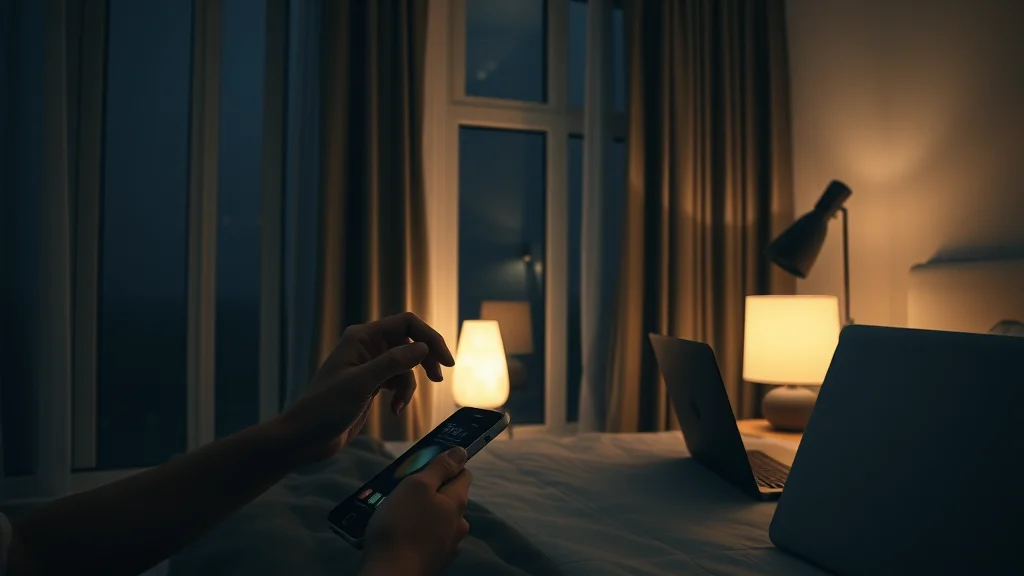
Exposure to blue light from electronic devices (like phones, tablets, laptops, and TVs) in the evening hours disrupts melatonin secretion—a hormone critical for falling asleep. Studies link excessive blue light exposure before bed to increased sleep latency (the time it takes to fall asleep) and higher instances of restless, fragmented sleep. To protect your sleep hygiene, power down electronic devices at least one hour before bedtime. Replace screen time with soothing, screen-free activities like reading, meditation, or listening to calming music. Adjusting your bedtime routine in this way has been proven to help you fall asleep faster and protect long-term sleep quality.
Consider integrating features like ‘Night Shift’ or blue light filters on your devices if you must use them in the evening, but remember—complete avoidance is ideal. Invest in blackout curtains and dim, warm lighting in your bedroom for an even more effective wind-down process. These small yet powerful tweaks greatly benefit healthy sleep.
Establishing a Sleep Schedule and Consistent Bedtime Routine
One of the keystones of healthy sleep is maintaining a regular sleep schedule, even on weekends. Going to bed and waking up at the same time daily helps regulate your internal clock, reinforcing your circadian rhythm. This regularity means your mind and body know when to anticipate rest and when to be alert. Pair this consistency with a repeatable bedtime routine—like showering, stretching, and light reading—for the best results. Science shows that people with fluctuating schedules experience more sleep issues, while those with fixed routines enjoy deeper, more restorative rest and fall asleep faster.
Adjusting your bedtime and wake times by more than an hour (especially on weekends) can create “social jetlag,” which disrupts your body’s rhythm and can hinder good sleep. Protect your sleep schedule like any other essential appointment, and design your evenings to gently transition you from daily demands to peaceful slumber.
Step-by-Step Guide to Creating Your Healthy Evening Routine
- Set a consistent sleep schedule
- Wind down with calming activities
- Practice good sleep hygiene habits
- Create a sleep-friendly environment
- Avoid sleep disruptors like caffeine and screens

Building your optimal evening routine doesn’t have to be complicated. Begin by determining an ideal bedtime that allows for at least 7-9 hours of rest—then make it non-negotiable. Structure your evening so that a gentle activity marks the beginning of your wind-down; this could be meditation, gentle stretching, or even journaling what you’re grateful for. Next, prioritize good sleep hygiene: keep your bedroom cool, dark, and clutter-free, and only use your bed for sleep (not for work or watching TV).
Consider environmental cues—adjusting room temperature, dimming lights, and using white noise or sleep sound machines. Limit caffeine and heavy meals to several hours before bed, and replace late-night scrolling with screen-free hobbies. Through trial and personalization, you’ll identify which strategies lead you to fall asleep fast and enjoy healthier, deeper, and more restorative sleep. Remember: consistency is key for healthy sleep.
Bedtime Routine Ideas to Boost Healthy Sleep
- Relaxation techniques: breathing, meditation
- Journaling before bed
- Gentle stretching or yoga
- Reading a book
- Warm bath or shower

Looking for ways to freshen up your bedtime routine? Mindful relaxation techniques—such as guided breathing exercises or short meditations—ease stress and prepare your body to relax. Journaling before bed is another powerful ritual; it allows you to release lingering thoughts, anxieties, or to-do lists that could otherwise keep you awake. Practices like light stretching or gentle yoga increase circulation, reduce muscle tension, and lower heart rate, all helping you drift into deeper sleep. Prefer something low-key? Reading a calming book (preferably not on a screen) or indulging in a warm bath can provide soothing sensations that signal time for bed and strengthen your mind-body connection for healthy sleep.
The secret to lasting impact is making these elements your own. Test different activities, track how you sleep, and tweak your bedtime routine until you discover a pattern that leaves you eager for bedtime and waking up refreshed every morning.
How to Tackle Common Sleep Issues with a Healthy Evening Routine
Addressing Poor Sleep and Enhancing Sleep Quality

Poor sleep can manifest as trouble falling asleep, waking through the night, difficulty getting back to bed, or feeling groggy in the morning—each with serious health implications. A healthy evening routine addresses these issues by smoothing your mind and body’s transition to rest. For example, using an eye mask, introducing a sleep sound machine, or layering bedding to adjust for ideal body temperature can help. Moreover, maintaining a predictable wind-down ritual every night connects the act of going to bed with deep, quality sleep—supporting stress recovery, memory consolidation, and healthy blood pressure. When persistent sleep issues arise, practicing good sleep hygiene is a crucial, effective first step before considering sleep medicine interventions.
The emphasis should always be on consistency. Even the most effective techniques require repetition to show results. Give new habits a couple of weeks before evaluating their impact, and don’t hesitate to tweak your approach until your bedtime routine supports you in achieving restful sleep, night after night.
How a Healthy Evening Routine Helps You Fall Asleep Fast
Few things are as frustrating as tossing and turning when you’re desperate to fall asleep. A healthy evening routine can help you fall asleep fast by guiding your mind and body gently out of 'day mode' and into relaxation. Techniques like progressive muscle relaxation, deep breathing, or visualizing peaceful scenes slow mind chatter and signal your body to default into restful modes. Combining these with mindful avoidance of screens and caffeine, plus managing your room’s temperature and darkness, greatly increases the odds of falling asleep quickly and enjoying uninterrupted, quality sleep.
Whether your challenge is staying asleep or falling asleep in the first place, your evening habits are the lever you control. Thoughtfully curated, they help synchronize internal signals and make it easier to stay asleep and feel energized when morning comes.
Exploring the 3/2/1 Bedtime Rule and Other Popular Approaches
| Bedtime Rule | Description |
|---|---|
| 3/2/1 Rule | Avoid eating 3h, work 2h, and screens 1h before bed |
| 10-5-3-2-1 Rule | Steps to avoid caffeine, alcohol, food, liquids, and screens sequentially |
| 3 2 1 Bedroom Method | Focus on 3 minutes of gratitude, 2 minutes of breathing, 1 minute stretching |
Bedtime ‘rules’ like the 3/2/1 strategy and its variations are gaining momentum thanks to their simplicity and efficacy. The 3/2/1 rule guides you to avoid eating three hours before bed, shut down work two hours before bed, and turn off electronic screens one hour before bed. These intervals help your body wind down, stabilize body temperature, and allow for the production of sleep-friendly hormones.
The 10-5-3-2-1 rule and 3 2 1 bedroom method are similar, layering more nuanced steps (like avoiding caffeine up to ten hours before bed, practicing gratitude and mindful breathing as you settle in, etc. ) All these approaches encourage you to experiment and find the routine that syncs best with your unique sleep schedule and lifestyle.
Choosing the Right Bedtime Routine for Your Sleep Schedule
The ‘right’ bedtime routine is personal. Consider your schedule, obligations, energy levels, and sleep sensitivities. Some people need a lengthy wind-down; others benefit from a shorter, more focused ritual. The key is choosing habits you enjoy and can stick with consistently. Monitor how fast you fall asleep, how refreshed you feel upon waking, and adjust as needed. Consult a sleep medicine physician if significant sleep issues persist. With patience and iterative adjustments, you’ll find the sequence that brings both relaxation and healthy sleep every night.
Remember, a good routine evolves alongside your life’s phases. Stay flexible, monitor progress, and embrace change as you experiment with strategies that deliver the most restful sleep and optimal daytime performance.
Below is an animated explainer video visually demonstrating various healthy evening routines, winding down techniques, and how to implement the 3/2/1 rule. The guide includes soothing background music and clear infographic overlays for an immersive learning experience (silent, with visual scenario changes from evening preparation to bedtime).
Frequently Asked Questions About a Healthy Evening Routine
What is the best evening routine?

The best evening routine features a regular sleep schedule, calming pre-bed activities, and limited screen time. Techniques such as light stretching, reading, or meditation lower blood pressure and signal your body it’s time to rest. Avoiding caffeine, alcohol, and blue light in the hours before bed supports optimal sleep hygiene and sets the foundation for healthy, quality sleep.
What is the 3/2/1 bedtime rule?
The 3/2/1 bedtime rule is a popular method for supporting healthy sleep: stop eating 3 hours before bed, stop working 2 hours before bed, and turn off screens 1 hour before bed. Following this structure helps improve sleep quality and makes it easier to fall asleep fast each night.
What is the 10 5 3 2 1 rule?
The 10-5-3-2-1 rule offers a comprehensive approach to sleep hygiene: Avoid caffeine 10 hours before bed, alcohol 5 hours before, food 3 hours before, liquids 2 hours before, and screens 1 hour before bedtime. This system promotes healthy sleep by reducing disruption from stimulants, digestion, and blue light.
What is the 3 2 1 bedroom method?
The 3 2 1 bedroom method focuses on three minutes of gratitude, two minutes of deep breathing, and one minute of stretching. Practicing this mindful sequence as part of your bedtime routine helps calm the mind and body, boost relaxation, and prepare you for restful, quality sleep.
People Also Ask: Healthy Evening Routine Insights
What is the best evening routine?
Answer: The best evening routine includes regular sleep schedules, relaxation techniques, limited screen time, and activities that promote relaxation and signal the body it’s time to rest. Personalizing these habits strengthens your body’s natural sleep-wake cues, helps you fall asleep faster, and supports long-term healthy sleep.

What is the 3/2/1 bedtime rule?
Answer: The 3/2/1 bedtime rule recommends no food three hours before bed, no work two hours before bed, and no screens one hour before bed—all to boost healthy sleep.
What is the 10 5 3 2 1 rule?
Answer: The 10-5-3-2-1 rule is a guideline for sleep hygiene: no caffeine 10 hours before bed, no alcohol 5 hours before, no food 3 hours before, no liquids 2 hours before, and no screens 1 hour before bed.
What is the 3 2 1 bedroom method?
Answer: The 3 2 1 bedroom method involves focusing on three minutes of gratitude, two minutes of deep breathing, and one minute of stretching to foster relaxation and improve sleep quality.
Key Takeaways: Optimizing Your Healthy Evening Routine
- Consistent bedtime habits promote healthy sleep
- Sleep hygiene is foundational for good sleep
- Evening routines can resolve sleep issues and enhance sleep quality
Explore More Sleep Hygiene Tips: Start Building Your Healthy Evening Routine Today!
Conclusion: Committing to a healthy evening routine is a simple, actionable step anyone can take to improve sleep, enhance wellbeing, and wake up ready for the day. Start tonight—your mind and body will thank you tomorrow.
If you’re inspired to elevate your nightly rituals, consider how integrating other natural self-care practices can further enhance your sense of relaxation and wellbeing. Exploring holistic approaches—like creating your own nourishing hair oil blends—can transform your evening into a restorative experience for both body and mind. For more ideas on how to nurture yourself naturally and add a soothing touch to your routine, discover the benefits of DIY hair oil treatments and unlock new ways to unwind before bed.


Write A Comment