

Startling Fact: Chronic stress can physically shrink your prefrontal cortex—the part of your brain responsible for clear thinking and decision-making. Calming the mind is not just a nice-to-have, but a critical element for mental health and everyday resilience. This guide dives deep into expert-backed methods for calming your mind quickly and effectively, no matter how overwhelming life gets.
An Eye-Opening Look at Calming the Mind: Why Stress Management Matters
"Did you know? Chronic stress can shrink your prefrontal cortex, the part of your brain responsible for decision making. Calming the mind is more than a luxury—it's a necessity."
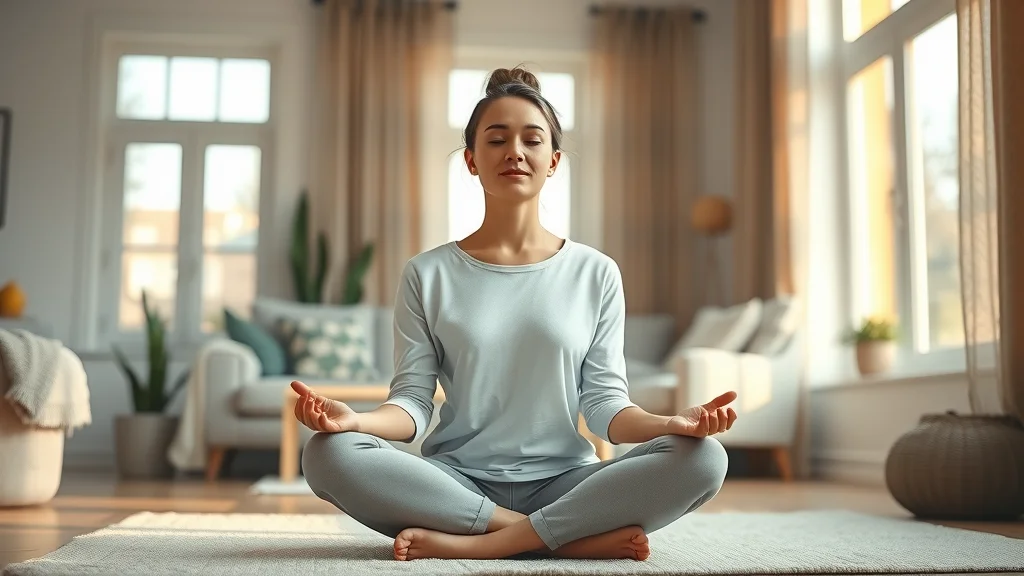
Modern life is filled with challenges—deadlines, worries about the future, and the constant ping of notifications. While some stress can motivate us, chronic stress has profound negative impacts on both mind and body. The importance of calming the mind lies in its power to activate the body’s natural relaxation response, countering the damaging effects of stress on the nervous system, heart rate, and mental health. Without effective stress management, the sympathetic nervous system remains activated, leading to increased levels of stress hormone cortisol, which can disrupt sleep, mood, and even shrink vital areas of your brain.
By making calming the mind a daily habit, you build resilience and can handle high-stress situations without feeling overwhelmed. Techniques like breathing exercises, progressive muscle relaxation, and spending time in nature empower you to regain control, rebalance your nervous system, and protect your overall wellbeing, especially in moments of acute stress and anxiety. The following guide will show you science-backed strategies for calming your mind instantly—and for the long term.
For those interested in deepening their practice, exploring how mindfulness and meditation can anchor your inner strength offers additional, practical ways to reinforce calm during stressful moments. Discover actionable mindfulness techniques in this guide to meditation for inner strength.
What You'll Learn About Calming the Mind
- Simple practices to help calm your mind quickly
- Science-based techniques including breathing exercises and progressive muscle relaxation
- How to manage negative thoughts and stress hormones
- Quick-reference tables for proven relaxation strategies
- Expert insights on mental health and time in nature
Understanding Stress: The Impact on Calming the Mind
What Happens in Your Brain During Stress?
When you encounter a stressful event—a tough conversation, public speaking, or even traffic—the sympathetic nervous system kicks in. Often called the "fight or flight" response, this part of your nervous system floods your body with stress hormones like adrenaline and cortisol. Your heart rate and blood pressure rise, your breathing quickens, and your mind races with anxious thoughts. Chronic activation of this system makes it difficult to calm the mind, as it physically remodels areas like the prefrontal cortex that regulate decision-making and impulse control.
Fortunately, the body is designed to return to balance. Calming the mind activates the parasympathetic nervous system, sometimes called the "rest and digest" system, which slows your heart rate, reduces stress hormones, and restores equilibrium. Understanding these brain and body processes is key to effective stress management, letting you take action to calm your mind and protect your mental health before stress spirals out of control.
The Relationship Between Stress Hormones and Calming the Mind
Stress hormones have a direct impact on how calm—or anxious—your mind feels. Cortisol helps your body respond to immediate danger but, over time, high levels wear down your immune system, interfere with sleep, and increase feelings of anxiety and depression. Research suggests that techniques to calm the mind, such as deep breathing exercises and progressive muscle relaxation, can significantly lower stress hormone levels. Regular practice helps regulate the balance of the sympathetic and parasympathetic nervous systems, making you less vulnerable to anxiety when stress arises.
Each calming technique works a little differently. Some provide instant stress relief by lowering your heart rate and blood pressure in minutes, while others, like spending time in nature or journaling, deliver long-term benefits by rewiring your brain for resilience. Incorporate a mix of methods to build a toolkit that helps you feel calmer and less reactive, no matter what the day brings.
| Technique | Emotional Effects | Physical Effects | Short-Term Effectiveness | Long-Term Effectiveness |
|---|---|---|---|---|
| Breathing Exercises | Reduces anxiety, increases sense of control | Lowers heart rate, reduces stress hormone cortisol | Immediate | High (when practiced daily) |
| Progressive Muscle Relaxation | Releases tension, increases body awareness | Relaxes muscles, decreases blood pressure | Immediate | Moderate-High (with regular routine) |
| Spending Time in Nature | Boosts mood, enhances calmness | Improves nervous system regulation | Moderate (within 10-20 minutes) | High (when practiced regularly) |
Recognizing High-Stress Situations: When Is Calming the Mind Essential?
- Common scenarios that trigger stress overload
- How to identify the signs that your mind needs calming

High-stress moments often hit without warning. You might face a critical work deadline, an uncomfortable social situation, a family disagreement, or an unexpected emergency. Recognizing these situations early is the first step to proactively calming the mind and maintaining mental health. Warning signs include racing thoughts, irritability, difficulty concentrating, chest tightness, headaches, and frequent negative thoughts. You might notice your heart rate speeding up or find it hard to breathe deeply. When these symptoms arise, it’s crucial to pause, use a calming exercise, and shift your body out of the stress response.
If left unmanaged, frequent exposure to high-stress situations can lead to burnout, anxiety disorders, or depression. By learning to identify the early signals your body sends, you can immediately apply practical techniques—from deep breathing to short walks in nature—to regain control and prevent stress from spiraling. Remember, calming the mind is most essential when your thoughts feel overwhelming or you start reacting more than responding to life’s challenges.
The Science Behind Calming the Mind and Calming Your Mind
How Calming the Mind Improves Mental Health
Science confirms what many ancient traditions have always taught: calming the mind leads to measurable improvements in mental health. Engaging in practices such as breathing exercises, mindfulness, and muscle relaxation directly affects the brain and nervous system. For example, slowing the breath activates the vagus nerve, shifting the body from the sympathetic nervous system's "fight or flight" mode to the calming influence of the parasympathetic nervous system. This reduces stress hormone production, stabilizes heart rate, and lowers blood pressure.
Research also shows regular use of calming techniques not only helps with stress relief but can reduce symptoms of anxiety and depression. Over time, your brain begins to rewire, shrinking areas associated with stress and strengthening those involved in emotional balance and cognitive control. The overall effect is a greater ability to manage negative thoughts, faster recovery from upsets, and improved daily functioning.
Why Calming the Mind Is Crucial for Long-Term Wellbeing
Adopting a calming the mind practice isn’t just about feeling better in the moment—it’s essential for lifelong health. Chronic stress wears down every system in the body, leading to increased risk for heart disease, insomnia, digestive issues, and mental health struggles. By developing daily rituals for calming your mind, like progressive muscle relaxation or spending time in nature, you help regulate your nervous system and minimize the long-term impact of stress.
Building these skills leads to what scientists call resilience—the ability to recover quickly from hardship and maintain a positive outlook even in difficult times. Emotional benefits include greater patience, clearer thinking, and a stronger sense of control. Over months and years, this protective effect allows you to handle life's challenges without being overwhelmed, supports mental health, and promotes overall vitality—proving that calming the mind is the foundation for lasting wellbeing.

Step 1: Breathing Exercises to Calm Your Mind Instantly
Best Breathing Exercises for Calming the Mind
- Box Breathing Exercise
- 4-7-8 Breathing Exercise
- Simple Diaphragmatic Breathing
Breathing exercises are the fastest way to calm your mind and body during stressful moments. Techniques like Box Breathing (inhaling, holding, exhaling, and holding for four counts each) and the 4-7-8 Breathing Exercise (inhaling for 4 seconds, holding for 7, exhaling for 8) tap into your parasympathetic nervous system, reducing the stress hormone cortisol and shifting your body into relaxation mode. These exercises lower your heart rate, decrease blood pressure, and help you feel calmer within a minute.
Diaphragmatic breathing, also called belly breathing, involves taking slow, deep breaths that expand your diaphragm rather than shallow chest breaths. Practicing any of these breathing exercises twice a day—or whenever you feel anxious—can build your nervous system’s resilience and improve your ability to handle other high-stress situations with calm and clarity.
"Just sixty seconds of mindful breathing triggers your vagus nerve, counteracting the stress hormone cortisol."
– Neuroscience Researcher
Step 2: Progressive Muscle Relaxation and Calming the Mind
What Is Progressive Muscle Relaxation?
Progressive muscle relaxation (PMR) is a science-backed technique developed to reduce physical tension and racing thoughts. It involves tensing and then slowly releasing different muscle groups in a specific order, helping you become more aware of where you hold stress and how to let it go. PMR directly supports calming the mind by sending signals through the nervous system that it is safe to relax, slowing the heart rate and lowering cortisol levels in the process. Research supports PMR for reducing anxiety and improving sleep, making it an ideal foundation for regular stress management.
Practicing progressive muscle relaxation can make you feel more grounded in the present moment, as it guides your attention away from negative thoughts and allows your body to fully shift out of the stress response. Many mental health professionals recommend PMR for both short-term stress relief and long-term wellbeing, especially when paired with deep breathing exercises.
Guide to Practicing Progressive Muscle Relaxation for Calming the Mind
To try PMR, find a quiet place and lie or sit comfortably. Begin by tensing the muscles in your feet for five seconds, then slowly release, noticing the difference between tension and relaxation. Move upwards through your body—calves, thighs, abdomen, hands, arms, shoulders, neck, and face—tensing and releasing each muscle group in order. Breathe slowly and evenly throughout, and close your eyes if it helps you focus on the sensations.
Practicing PMR just once a day can dramatically reduce your physical and emotional stress levels. As you become more skilled, you may notice it takes less time to feel the effects, and the calmness you build stays with you through the day’s challenges. PMR can be especially helpful before sleep, during work breaks, or in moments of acute anxiety, making calm the mind strategies part of your daily toolkit.

Step 3: Harnessing Time in Nature to Calm the Mind
How Spending Time Outdoors Calms the Mind
- Walks in green spaces
- Grounding techniques near natural water
- Mindful outdoor activities to calm the mind
Spending time in nature is a powerful, underappreciated method for calming the mind. Research suggests that just 20 minutes in a park or near trees can lower your heart rate, reduce blood pressure, and counteract the stress response. Exposure to nature has been linked to lower levels of stress hormone cortisol and improved regulation of both the sympathetic and parasympathetic nervous systems. Green spaces make you feel calmer and can reset your mind after a difficult day.
Simple activities, like mindful walking or standing near a body of water, bring your attention back to the present moment and away from negative thoughts. Try grounding yourself by feeling grass under your feet or listening to the sound of moving water. These mindful moments lower anxiety and build a sense of peace that lasts well beyond your time outside, making time in nature an essential pillar in any calming the mind routine.

Addressing Negative Thoughts: Calming the Mind Through Cognitive Reframing
Identifying and Challenging Negative Thoughts for Calming the Mind
- Cognitive Behavioral Tips
- Daily journaling to address negative thought loops
- Mantras for mental health and calmness
Negative thoughts fuel anxiety and sabotage attempts at calming the mind. Identifying these unhelpful thought patterns—like catastrophizing or negative self-talk—is the first step. Cognitive behavioral therapy (CBT) techniques encourage you to challenge irrational beliefs, ask yourself for evidence, and replace negativity with more balanced perspectives. For example, shift from “I’ll never get through this” to “I handled difficulties before; I can do it again.”
Journaling each day allows you to notice thought patterns and break loops of worry or self-doubt. Writing down positive mantras or affirmations, such as “I am safe and I can calm my mind,” can also build mental resilience over time. By combining cognitive reframing with calming exercises and time in nature, you make your mind less reactive to daily stressors, supporting steadier mental health and emotional balance.
Lifestyle Habits That Support Calming the Mind
- Nutrition and hydration for mental health
- Physical activity and mindful movement
- Establishing healthy digital boundaries
Your daily habits play a crucial role in how easily you can calm the mind. Proper hydration and nutrition fuel your body and brain, helping to balance hormones and neurotransmitters responsible for good mood and stress response. Physical activity, from yoga and walking to more vigorous exercise, supports mental health by releasing endorphins, lowering stress hormones, and improving sleep. Even simple mindful movement—like stretching or deep breaths between tasks—helps regulate your nervous system.
In our tech-driven world, setting digital boundaries is another essential habit. Limit exposure to stressful news cycles and social media, take regular breaks from screens, and prioritize in-person or offline connection. These habits reduce sensory overload and negative thoughts triggered by constant notifications, making mindful calm far more accessible in everyday life.
Calming the Mind During Difficult Moments: Practical Scenarios
- Before a public speaking event
- In the midst of workplace stress
- During personal crises
Life’s most stressful moments often arrive without warning. Before public speaking, your heart may pound and thoughts race—practicing a simple breathing exercise or muscle relaxation can calm your mind in minutes. During workplace stress, step outside for a quick walk or close your eyes for focused deep breaths, grounding yourself in the present moment and lowering your stress hormone levels. In personal crises, such as family emergencies or health scares, it’s vital to return to your toolkit: slow breathing, progressive muscle relaxation, and seeking out a quiet spot in nature if possible. Even a brief pause can prevent overwhelm and put you back in control.
Practicing these calming techniques regularly makes them more effective when you need them most. The more you integrate calming the mind into your routine, the easier it will be to manage stress, reduce anxiety, and face tough situations without losing your sense of inner peace.

Expert Quotes on Calming the Mind
"The practice of calming the mind is one of the most effective ways to build mental resilience against everyday stressors." — Clinical Psychologist
People Also Ask: Calming the Mind in Everyday Life
How to calm an overactive mind?
To calm an overactive mind, start by focusing on your breath. Practice a breathing exercise such as Box Breathing or 4-7-8 Breathing, which quiets racing thoughts and activates the relaxation response. Spend time in nature or engage in light physical activity—both have been shown to reduce stress hormone levels and help you feel calmer. If your mind keeps spinning with negative thoughts, try journaling them out or using positive mantras to break the cycle. The key is to consistently return your attention to the present moment and away from worries about the future or past.
Practical techniques and strategies to calm an overactive mind, including immediate relaxation methods and habits for lasting calmness.
Immediate relaxation strategies include deep diaphragmatic breathing and progressive muscle relaxation, both of which lower your heart rate and interrupt the stress response. To build lasting calmness, create daily habits that support mental health: regular physical activity, time in nature, proper sleep, and maintaining healthy digital boundaries. Cognitive techniques like reframing negative thoughts and daily gratitude journaling can make your mind less susceptible to overactivity and anxiety.
How to get out of your head anxiety?
Getting out of your head and reducing anxiety starts with shifting focus from thoughts to sensations. Try grounding exercises: notice five things you can see, four you can touch, three you can hear, two you can smell, and one you can taste. Use breathing exercises or muscle relaxation to reconfirm your mind and body are safe. Remember, you don’t have to believe every negative thought—challenge them with compassion, and redirect your attention to the present moment to break anxious thought loops.
Tactics for breaking anxious thought loops and returning focus to the present moment, emphasizing calming the mind practices.
Break anxious loops by practicing mindful awareness—notice your thoughts, label them as worries, and gently redirect your focus. Use short, repeated breathing exercises or muscle relaxation cycles as soon as you sense anxiety rising. Keep a journal for tracking repetitive negative thoughts and practice gratitude or positive reframing to change your mental narrative. In moments of acute stress, using a calming exercise can disrupt the loop and restore inner calm.
What causes an overactive brain?
An overactive brain can be triggered by chronic stress, poor sleep, excessive screen time, or unresolved emotional issues. Biologically, high stress hormone levels keep your sympathetic nervous system in overdrive, making your thoughts feel scattered and intense. Psychological factors like perfectionism, trauma, or anxiety disorders can also play a role. Building habits that calm the mind—like regular exercise, nature time, and addressing negative thought patterns—helps restore balance to your brain and nervous system.
Explore physiological and psychological reasons behind an overactive brain with insights on calming the mind to regain balance.
Physiologically, an overactive brain is often linked to elevated cortisol and adrenaline levels from a hyperactive sympathetic nervous system. Psychologically, factors like rumination, high personal standards, or unresolved worries contribute to mental overdrive. Techniques for calming the mind, such as deep breathing, progressive muscle relaxation, and cognitive reframing, work by signaling safety to your nervous system and encouraging the shift to the parasympathetic state—restoring mental peace and clarity.
How to instantly calm your mind?
To instantly calm your mind, close your eyes and take three to five deep, slow breaths—inhale through your nose for four seconds, exhale through your mouth for six seconds. This activates the vagus nerve, slows your heart rate, and floods your body with relaxation signals. If possible, step outside or look at something natural, like a tree or plant, which sparks the body’s natural relaxation response. Use this instant reset anytime acute stress strikes to regain composure and mental clarity.
Actionable steps and instant techniques (like breathing exercises) to calm the mind when acute stress arises.
When stress strikes, pause and do one of the following: practice a breathing exercise for one minute; close your eyes and scan your body for tension, then release; or, redirect your focus to your senses—what do you feel, hear, or see? Even a 60-second ritual can stop anxiety from escalating and help you feel calmer, more grounded, and ready to re-engage with your day
Key Takeaways for Calming the Mind in High-Stress Situations
- Effective ways to calm the mind include breathing exercises, progressive muscle relaxation, and nature time.
- Addressing negative thoughts supports ongoing mental health and a calm mind.
- Developing daily practices builds resilience and long-term wellbeing.
FAQs on Calming the Mind and Stress Relief
-
What are quick exercises to calm the mind?
Quick exercises include Box Breathing, 4-7-8 Breathing, and progressive muscle relaxation. All work in under five minutes to lower your heart rate and calm your mind instantly. -
Are there specific apps for mental health and calming practices?
Yes. Popular apps include Headspace, Calm, Breathe2Relax, and Insight Timer. They offer guided practices for mindfulness, breathing exercises, and relaxation routines to support everyday calm. -
When should you seek professional help for stress?
If stress or anxiety disrupts your ability to work, sleep, or enjoy life—or leads to persistent negative thoughts and physical symptoms—it’s wise to consult a mental health professional for tailored support.
Calming the Mind: Your Next Steps Toward Lasting Tranquility
"You can take control of stress—start practicing these calming the mind strategies today and notice positive changes within days." — Mental Health Coach
Ready to start calming your mind and living with greater peace? Download our free daily relaxation guide for actionable steps, or contact a mental health professional for tailored support.
Conclusion:
Developing calm is a skill—by practicing these calming the mind techniques daily, you build resilience for today and wellbeing for years to come.
If you’re ready to take your journey toward inner peace even further, consider how mindfulness and meditation can empower you beyond immediate stress relief. By integrating mindful awareness into your daily routine, you not only calm your mind in the moment but also cultivate a deeper sense of inner strength and emotional stability. For a comprehensive look at how meditation can anchor your resilience and support long-term wellbeing, explore the transformative power of meditation for inner strength. This next step can help you unlock advanced techniques for lasting tranquility and a more empowered, balanced life.


Write A Comment