

Did you know that more than 80% of adults will experience back pain related to poor posture at some point in their lives? Yet, with just a few minutes of daily posture exercises, you can dramatically improve your posture and boost your overall health. If you often find yourself slouching at your desk or feeling stiffness after a long period of sitting, you’re not alone—and there’s something you can do about it. This guide will show you exactly how to achieve good posture through straightforward movements and practical advice, regardless of your starting point.
A Startling Truth: Why Most Adults Struggle With Good Posture
Even in the digital age, the prevalence of bad posture has skyrocketed, partly due to our increasingly sedentary lifestyles. The majority of office workers and remote professionals spend their days hunched over screens, leading to weakened back muscles, compressed thoracic spine, and discomfort in the low back. Over time, these habits cause aches and pains, making it more difficult to maintain proper posture even when standing or walking. The reality is, without intervention, poor posture becomes the norm for most adults—negatively affecting energy levels, confidence, and even long-term health outcomes.
The good news is that most postural problems can be improved—sometimes dramatically—by dedicating just a few minutes each day to specific posture exercises. This article breaks down what you need to know, including the everyday causes of bad posture, how to recognize the warning signs, and exactly which exercises restore healthy alignment. Start now, and you’ll not only reduce pain and discomfort, but also rediscover the benefits of good posture: higher energy, reduced stress on your spine, and a greater sense of poise in everyday life.

What You'll Learn: Key Takeaways for Practicing Effective Posture Exercises
- Understand the science behind posture exercises
- Identify symptoms of bad posture and how to improve posture
- Learn proper posture techniques with proven exercises
- Follow a structured weekly plan to improve your posture
- Discover expert-backed tips to maintain good posture for a lifetime
Understanding the Importance of Good Posture
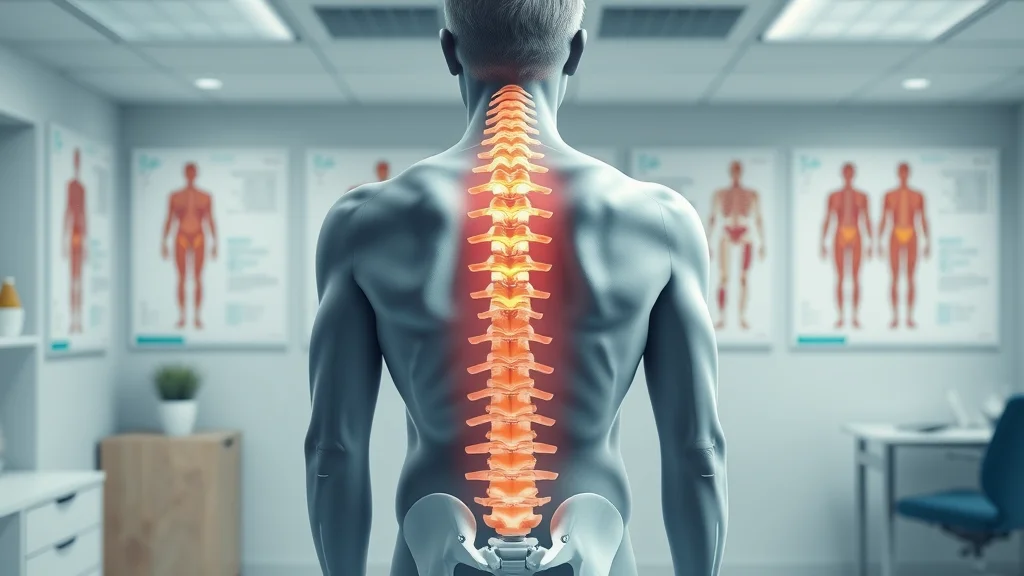
Why do so many health professionals emphasize good posture? It’s not just about looking confident. Proper posture is critical for keeping the spine, joints, and muscles in optimal alignment, which reduces unnecessary strain on the mid back, low back, and shoulders. When the spine is neutral, your body distributes weight effectively, takes pressure off the joints, and allows your core to work efficiently.
Adopting good posture also helps prevent chronic aches and pains, especially in the neck and lower back. When your core engaged and your spine is aligned, you support your overall musculoskeletal health and improve how you move and breathe. This means fewer distractions from discomfort and more energy for the things you care about most.
"Good posture isn't just about looking confident—it's fundamental to your musculoskeletal health."
As you begin to incorporate these posture exercises, remember that small, consistent changes can yield significant improvements. If you're interested in further enhancing your daily wellness routine, you might also explore natural self-care practices such as DIY hair oil treatments for nourishing your hair naturally, which can complement your holistic approach to health.
Good Posture vs. Bad Posture: What’s the Real Difference?
| Feature | Good Posture | Bad Posture |
|---|---|---|
| Spine Alignment | Neutral | Curved/Flexed |
| Shoulder Blade Position | Back and Down | Rounded Forward |
| Thoracic Spine Health | Supported | Strained |
| Energy Levels | Higher | Lower |
Good posture means your body is balanced: the spine is aligned, shoulder blades are gently pulled back and down, and your core is engaged. In contrast, bad posture shows up as shoulders slumped forward, a curved upper back, and weight distributed unevenly, which causes more fatigue and back pain. Recognizing the real difference helps you identify when your posture slips and allows you to correct it with the right posture exercises.
Not only does bad posture look less confident, it also places additional strain on your thoracic spine, mid back, and low back, sometimes resulting in aches and pains that can persist for years. Conversely, adopting good posture creates immediate and long-term physical health benefits—even breathing becomes easier.
How Poor Posture Develops: Everyday Habits That Hurt
- Prolonged sitting with poor posture
- Looking down at screens
- Slouching in chairs
- Improper ergonomic setups

Most people don’t realize their poor posture stems from ordinary routines—sitting at a computer, scrolling on the phone, or simply having an unsupportive chair at home. These small daily habits, over a long period, teach your body to default to unhealthy positions. Too much time spent slouched causes your shoulder blades to drift forward and your thoracic spine to stiffen, increasing the odds of neck pain and a stressed mid back.
It doesn't take a major injury or health crisis for poor posture to set in. Just hours of prolonged sitting with an unsupported lower back or static posture can lead to tension and discomfort. But when you start integrating posture exercises and small adjustments into your routine, you can reverse these trends and build up your core strength at any age.
What Are the Most Effective Posture Exercises?
- Shoulder Blade Squeezes
- Wall Angels
- Chest Stretch for Proper Posture
- Thoracic Spine Extension
- Low Back Bridge
The most effective posture exercises target the muscles that support your upper back, core, and spine alignment. Shoulder blade squeezes strengthen the mid and upper back. Wall angels open the thoracic spine and counteract desk slouch. Chest stretches relieve tension built up from hunching, while thoracic spine extensions restore flexibility and support. The low back bridge is particularly effective for activating the lower back and keeping your core engaged, providing full-posture support that can be maintained over time.
By making these exercises part of your daily routine—even just a few repetitions a day—you can quickly see and feel improvements in your posture, energy, and comfort levels. Each one targets the most common problem areas resulting from bad posture, ensuring a balanced approach for lasting results.
How to Do Each Posture Exercise Step by Step
Shoulder Blade Squeeze: Posture Exercise for a Strong Upper Back

Start by standing upright with your feet shoulder-width apart, arms relaxed at your sides, and palms facing the thighs. Keeping your spine in a neutral starting position, gently squeeze your shoulder blades together as if you’re trying to hold a pencil between them. Maintain this contraction for 3–5 seconds, keeping your shoulders back and down throughout. Hold this position, then slowly release to starting position. Repeat for 10–12 repetitions.
This posture exercise is a proven way to strengthen your upper back and mid back, counteracting slouched positions from prolonged sitting. By regularly practicing shoulder blade squeezes, you train your back muscles to support good posture naturally, reducing tension in the lower back and upper back.
Wall Angels: Open Up Your Thoracic Spine and Improve Your Posture

Find a blank wall and stand with your back, buttocks, and head in contact with the wall. Raise your arms so your elbows are bent at 90 degrees, and your fingertips are pointing up—imagine making a goalpost shape. While maintaining gentle contact with the wall, slowly raise your arms overhead as far as you can without losing contact, then return to starting position. Aim for 8–10 controlled repetitions.
This movement is especially effective for mobilizing a stiff thoracic spine and opening up the chest. It helps correct rounded shoulders and promotes proper posture by training your muscles and joints to move into healthier positions, all while supporting your upper and mid back. You’ll feel a stretch throughout your upper body and gradually improve your range of motion.
Chest Stretch: Counteract Poor Posture from Hunched Shoulders
To counter the effects of hunching forward, stand tall with your feet shoulder-width apart and clasp your hands behind your back. Straighten your arms and gently lift them until you feel a stretch across the chest and the front of your shoulders. Keep your core engaged and your spine neutral. Hold this position for 20–30 seconds, then relax. Repeat for three sets.
This chest stretch is vital for offsetting the tightness that results from many hours at a desk or on a device, facilitating easier and more natural good posture. By stretching open the front of the body, you help your shoulder blades relax back and down, reducing the tendency toward bad posture.
Low Back Bridge: Support Proper Posture and Core Strength

Start by lying on your back with your knees bent, feet flat on the floor hip-width apart. Place your hands at your sides, palms facing down. Engage your core and press through your heels to lift your hips towards the ceiling. Keep your upper back, shoulders, and arms in contact with the ground, forming a straight line from knees to shoulders. Hold this position for several seconds, then slowly lower to the starting position. Perform 10–12 repetitions for two to three sets.
The low back bridge is especially valuable for strengthening your lower back, glutes, and core muscles. This posture exercise not only supports spinal alignment but also relieves pressure from the low back during long periods of sitting, helping prevent aches and pains. Consistent practice will lead to a noticeable improvement in overall posture and comfort.
A 7-Day Plan: Improve Your Posture With Daily Posture Exercises
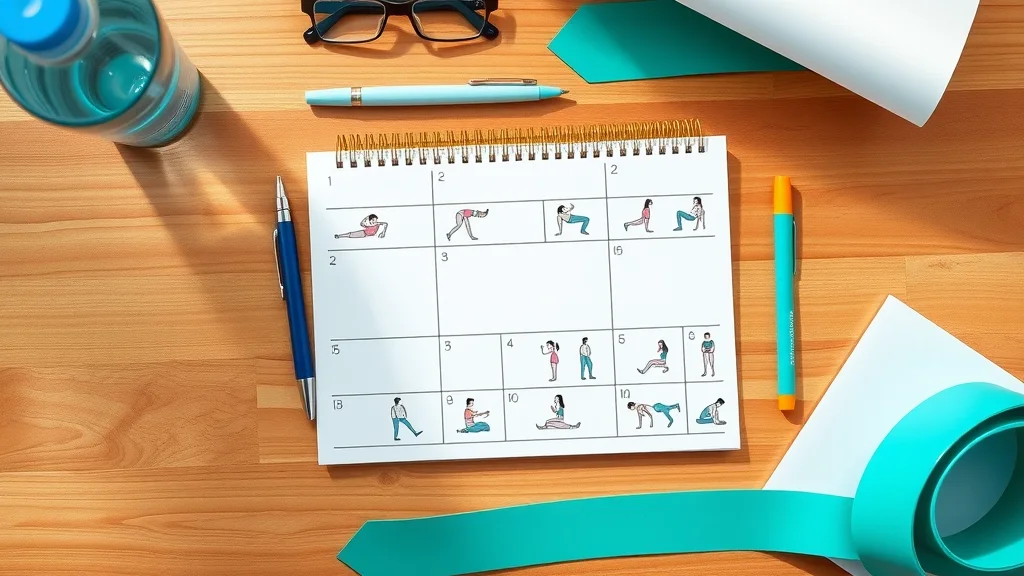
| Day | Exercise | Repetitions | Focus Area |
|---|---|---|---|
| 1 | Shoulder Blade Squeeze | 3x10 | Mid Back |
| 2 | Wall Angels | 3x8 | Thoracic Spine |
| 3 | Chest Stretch | 3x20s | Chest/Shoulders |
| 4 | Low Back Bridge | 3x12 | Low Back/Core |
| 5 | Repeat Day 1 | ||
| 6 | Repeat Day 2 | ||
| 7 | Mix All | 2x each | Full Posture Support |
Following this simple 7-day plan helps you stay consistent while gradually increasing the intensity and variety of your posture exercises. Each day focuses on a specific area—mid back, thoracic spine, chest, or low back—ensuring balanced development and allowing your body time to adjust. By the end of the week, you’ll notice improved alignment, more energy, and heightened awareness of your posture throughout the day.
Repeating the plan over several weeks reinforces good posture as a daily habit. Remember to make each repetition slow and deliberate, focus on form, and listen to your body. Quality always trumps quantity when it comes to correcting posture and developing long-lasting results.
Targeted Posture Exercise: Fixing Mid Back and Low Back Issues

If you experience persistent tension in your mid back or low back, targeted exercises such as foam rolling can be a game-changer. Begin by lying on your back with knees bent and a foam roller positioned underneath your mid back. Gently roll up and down, allowing the roller to massage the back muscles. Focus on tight or sore spots, pausing briefly when you feel a stretch or release. Rolling out the lower back area can relieve aches and improve flexibility—just use gentle pressure and avoid rolling directly on bones.
Incorporating this simple tool, alongside your daily posture exercises, can increase mobility, decrease pain, and break up muscle knots that accumulate from poor habits. When combined with an active core and stretching routine, foam rolling addresses both immediate discomfort and long-term postural health, paving the way for better spine alignment and mobility.
How to Recognize and Reverse Bad Posture Habits
- Daily posture self-checks
- Use mirrors or posture apps
- Set reminders for posture exercises and adjustments
The first step toward lasting change is awareness. Start every morning with a quick posture self-check: stand tall, shoulders back, and core gently engaged. Use a mirror to assess your stance from the side—a neutral spine, ears over shoulders, hips aligned. There are also posture apps that track your habits and send reminders to adjust your position or perform short posture exercises.
Small adjustments like these, especially when supported by daily reminders, can transform your posture over time. Committing to self-assessment may seem simple, but it’s the single most powerful habit for breaking out of years of bad posture and embedding good posture for life.
Maintaining and Advancing Your Good Posture Over Time

Once you’ve established a foundation of good posture, it’s important to keep up the momentum. Consider integrating tools like a resistance band or stability ball to challenge your balance and activate deeper back muscles. For example, perform seated resistance band pulls or stability ball stretches—these movements ensure your core and back muscles stay engaged, building resilience for daily activity.
Also, aim to vary your posture exercises as you advance. Start with basics, then progress to dynamic stretches, planks, and movements that require more stabilization. Diversity in your routine ensures that all areas of your upper back, mid back, and low back get the attention they need, preventing stagnation and promoting health as you age.
Expert Insights: Quotes on Improving Your Posture
"Consistency with posture exercises is key to lasting change. Even a few minutes a day can yield noticeable results." – Renowned Physical Therapist
Watch as a certified trainer demonstrates the correct form for shoulder blade squeezes, wall angels, chest stretch, thoracic spine extension, and low back bridge. Focus on body alignment, controlled motion, and transitions for best results.
See real-life transformations: individuals improve their posture and overcome bad posture within just four weeks. Notice changes in body alignment, confidence, and overall well-being as participants share their journeys with daily posture exercises.
Frequently Asked Questions About Posture Exercises
Can you correct years of bad posture?
Yes! While years of bad posture may cause deep-seated habits, with consistent posture exercises, awareness, and ergonomic adjustments, you can gradually retrain your muscles and spine. Many people notice improvements in comfort and alignment within weeks, though full correction for severe cases may take longer. The key is daily commitment and patience—your body can be remarkably resilient at any age.
What is the best exercise to fix posture?
There’s no one-size-fits-all answer, but shoulder blade squeezes and wall angels are among the best for directly targeting the upper back and thoracic spine—two critical areas for good posture. These exercises strengthen the muscles responsible for supporting a neutral spine and counteracting the effects of slouching. For best results, combine several posture exercises and practice regularly.
How to get a straight back?
To get a straight back, focus on daily postural awareness, strengthening exercises for the core, upper back, and lower back, and regular flexibility training. Begin with stretches and controlled movements such as low back bridges and shoulder blade squeezes. Use a mirror or posture app for feedback and make sure your spine is aligned from ears to hips when sitting or standing.
How to correct posture in 7 days?
Correcting posture in 7 days is possible for mild to moderate slouching. Follow a focused 7-day routine—like the plan provided above—with daily sets of shoulder blade squeezes, wall angels, chest stretches, and low back bridges. Add posture checks and reminders for best results. While major changes take time, you’ll feel a difference in tension, energy, and body awareness in just one week.
Simple Lists: Tips for Lasting Posture Improvement
- Be mindful of your sitting position
- Take hourly movement breaks
- Use posture reminders on your devices
- Strengthen core with regular posture exercises
Key Takeaways: Lasting Benefits of Daily Posture Exercises
- Proper posture boosts energy and reduces pain
- Posture exercises support spine and shoulder blade health
- Consistency is the cornerstone of posture improvement
Ready to Transform Your Health? Start Your Posture Exercise Journey Today
Begin integrating these simple posture exercises into your daily routine and experience greater energy, less pain, and a renewed sense of confidence. Every step takes you closer to lasting, healthy posture.
If you’re inspired to continue your journey toward holistic wellness, consider expanding your self-care toolkit beyond posture. Exploring natural approaches—like creating your own nourishing hair oil blends—can help you cultivate a sense of well-being from head to toe. Discover how to elevate your daily rituals and support your body inside and out by learning more about DIY hair oil treatments for vibrant, healthy hair. Small, mindful changes in your routine can lead to transformative results across every aspect of your health.


Write A Comment