

Did you know that more than 77% of people regularly experience physical symptoms caused by stress? From headaches and muscle tension to trouble sleeping and even high blood pressure, stress silently affects our bodies in profound ways. But there’s good news: simple, regular movement—like a brisk walk in the park, stretching in your living room, or a quick group workout—can offer transformative stress relief. In this guide, you’ll learn how stress reduction exercise is a powerful tool to help you manage stress, boost mental health, and find balance in your daily life.

Unlocking the Connection Between Stress Reduction Exercise and Mental Health
Stress reduction exercise isn’t just about physical well-being—it’s a foundation for a healthier mind, too. Research consistently confirms that people who engage in regular physical activity show lower levels of anxiety and depression. When you move your body, you’re not only burning calories or building strength; you’re also fueling your brain with mood-boosting chemicals that counteract stress’s negative effects.
Many individuals, perhaps even yourself, are seeking ways to manage stress that go beyond short-term solutions. Whether you prefer aerobic exercise, yoga, or mindful stretching, the link between moving your body and improved mental health is clear. By understanding and integrating stress reduction exercises into your routine, you lay the groundwork for longer-lasting stress relief while simultaneously benefiting your cardiovascular health, sleep quality, and emotional resilience.
For those interested in expanding their self-care toolkit, exploring natural wellness routines can further enhance your stress management efforts. For example, incorporating nourishing practices like a DIY hair oil treatment not only supports healthy hair but also offers a calming ritual that complements your physical activity routine.
A Surprising Fact: Over 77% of People Experience Physical Symptoms Caused by Stress
It’s easy to underestimate the impact of stress. But did you know that physical symptoms like headaches, stiff muscles, fatigue, and even digestive problems often stem from ongoing stress? Studies show that about three out of every four adults report experiencing such symptoms. The real challenge is that these signs become so common, we treat them as normal even when our quality of life is suffering. Recognizing the very real physical toll of stress is an essential first step to taking back control—with stress relief practices grounded in movement and mindful activity.
Understanding Stress Relief and How Exercise Helps Reduce Stress
How exactly does moving your body help to reduce stress? Exercise activates a biological cascade: first, your heart rate increases, then your brain releases endorphins—your body’s natural mood elevators. This chain reaction can break the cycle of tension and anxiety, leading to both immediate relief and long-term resilience. Regular exercise like aerobic activity, yoga, or even gentle stretching diverts your focus from daily worries, grounds you in the present moment, and physically loosens tight muscles caused by stress.
Whether you’re dealing with daily annoyances or chronic anxiety, stress reduction exercise provides a powerful, accessible avenue for support. You don’t need to spend hours at the gym; even short, purposeful bouts of movement—done several times a week—can create positive change. The result? Enhanced mental clarity, emotional stability, and a greater ability to cope when life throws challenges your way.
What You'll Learn About Stress Reduction Exercise
- The science behind stress relief and stress reduction exercise
- Different types of physical activities for effective stress management
- How to integrate regular exercise into your stress management routine
- Tips for sustainable and long-term stress reduction
- Expert-backed advice for tailoring an exercise program to individual needs
The Science Behind Stress Relief: Why Exercise Works
The connection between physical activity and stress relief is deeply rooted in our biology. When you move purposefully—through activities like brisk walking, tai chi, or light stretching—your body triggers processes that directly help manage stress. Engaging your muscles and elevating your heart rate encourages the release of endorphins, which naturally improve mood and enhance a sense of well-being. This process helps switch your body out of “fight or flight” mode and into a recovery and relaxation state, making stress feel more manageable.
Scientific research shows that people who participate in regular movement not only experience fewer symptoms of anxiety and depression but also recover from stressful events more quickly. In short, stress reduction exercise is a proven, self-sustaining therapy—one that works in tandem with your body’s innate ability to reduce stress and restore balance.
Hormones, Brain Chemistry, and Stress Relief
“Exercise is a potent stress reliever that acts on both the body and mind, helping to regulate mood and improve overall well-being.”
Moving your body affects your hormones and brain chemistry in profound ways. During physical activity, the body releases endorphins and neurotransmitters like dopamine and serotonin, which create feelings of happiness and calm. Regular movement also lowers the levels of stress hormones—such as cortisol and adrenaline—which, when left unchecked, can lead to long-term health issues like high blood pressure and heart disease.
This balancing act, achieved via consistent stress reduction exercise, forms the basis for improved mental health and reduced anxiety. Whether your routine involves a gentle yoga flow, aerobic activity, or a walk with friends, each session helps reset your hormonal and neurological “circuitry” in favor of relaxation and resilience.
How Stress Reduction Exercise Impacts Stress Hormones
The impact of stress reduction exercise goes beyond a simple mood boost—it fundamentally changes your physiological response to stress. When you engage in physical activity, your heart rate goes up, powering the delivery of oxygen-rich blood to your muscles and brain. In response, the body gradually decreases stress hormones like cortisol and increases the availability of endorphins.
By regularly triggering these biological mechanisms, you give your mind and body the tools needed to manage stress more efficiently. Over time, exercise “rewires” your reaction to daily challenges, so that you experience fewer negative symptoms—whether it’s tight muscles, headaches, or trouble sleeping. The more consistently you move, the greater your capacity to recover quickly from stressful events and maintain a sense of balance.
The Role of Endorphins in Stress Relief
Endorphins are your body’s built-in stress relievers. These “feel good” chemicals flood your brain during and after movement, providing a natural sense of calm and happiness. Activities as simple as brisk walking, light jogging, or practicing tai chi can prompt a surge of endorphins that lasts well beyond the workout itself, creating lasting stress relief.
Regular exercise helps maintain a steady supply of endorphins. This not only improves mood but also builds emotional resilience, making it easier to tackle day-to-day worries and setbacks. When combined with other stress management tools—like deep breathing or mindfulness—endorphin-releasing activities become a foundational part of a healthy, balanced lifestyle.

Different Types of Stress Reduction Exercise: Which Is Right for You?
Not all stress reduction exercises are created equal. To find the approach that best fits your needs, consider your goals, fitness level, interests, and any health information from your doctor. Whether you enjoy invigorating aerobic classes, the focused calm of yoga, or the “meditation in motion” of tai chi, the most effective exercise is the one you’ll do consistently. The options below offer a range of benefits and can be tailored to any schedule or ability.
Integrating a mix of activities—such as alternating strength training with deep breathing and brisk walking—will keep your routine fresh and enjoyable. No matter what you choose, making time for regular, purposeful movement ensures you’re always taking steps toward better stress management and mental health.
- Aerobic Exercise for Stress Relief
- Yoga and Deep Breathing for Stress Management
- Tai Chi and Muscle Relaxation
- Strength Training for Stress Reduction
- Progressive Muscle Relaxation and Stress Relief
| Exercise Type | Benefits | Intensity | Best For |
|---|---|---|---|
| Aerobic (Brisk Walking, Jogging) | Boosts endorphins, supports heart health, burns calories | Moderate to Vigorous | Most adults; scalable for any fitness level |
| Yoga & Deep Breathing | Enhances flexibility and relaxation response, lowers anxiety | Gentle to Moderate | All ages; especially helpful for anxiety and depression |
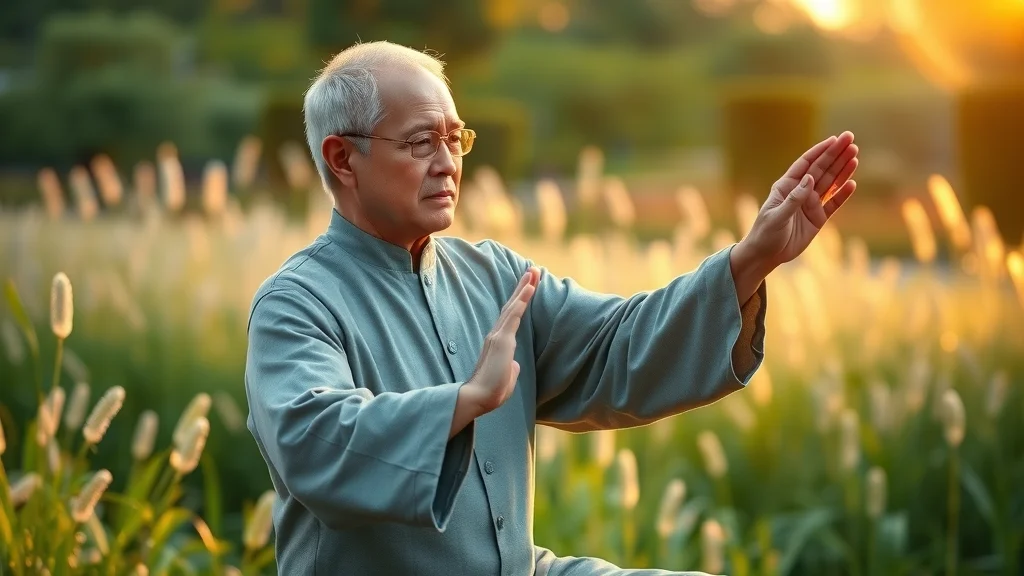
| Tai Chi | Improves balance, reduces tension, “meditation in motion” | Gentle | Older adults, beginners, and those seeking mindfulness |
| Strength Training | Increases muscle strength, confidence, reduces stress hormones | Moderate to Vigorous | Adults with some experience or supervision |
| Progressive Muscle Relaxation | Decreases muscle tension, encourages mind-body awareness | Gentle | Those with muscle tightness, beginners, older adults |
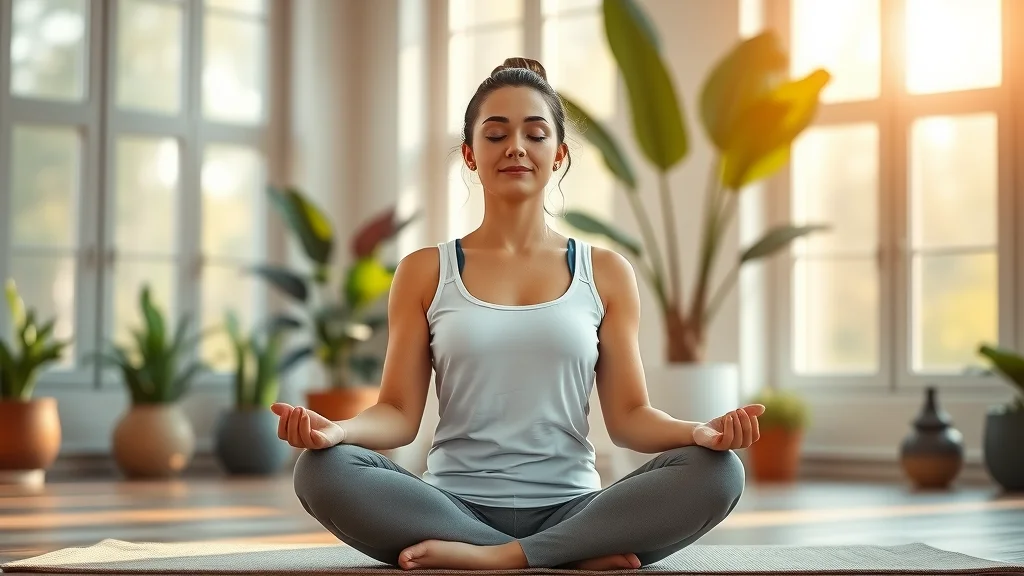
How to Get Started with a Stress Reduction Exercise Program
Beginning a stress reduction exercise routine doesn’t need to be overwhelming. The key is to start small and build gradually—whether you add a 10-minute walk after dinner or try a beginner yoga session. Consistency, not intensity, is what matters most. Aim for activities that you enjoy and will repeat, even on your busiest days. Over time, your new routine will become a vital part of your stress management strategy and daily well-being.
To maximize benefits, consider speaking with your healthcare provider about your current fitness level and any underlying conditions, especially if you have heart disease or high blood pressure. Keeping safety in mind, you can confidently weave movement into your day-to-day life and watch your ability to manage stress flourish.
Setting Up a Routine for Regular Exercise and Stress Relief
Consistency is the cornerstone of effective stress management through exercise. Start by blocking time on your calendar—just like you would any important appointment—for stress reduction exercise. Choose a time of day when you physically and mentally feel your best, whether it’s a gentle yoga flow in the morning or an energizing walk in the evening.
Planning ahead can also keep you on track. Lay out your workout clothes the night before, invite a friend for accountability, or join a local group class. Over time, these simple steps will transform your new exercise program into a regular, rewarding part of your day, boosting motivation and supporting long-term health.

Tips to Stay Motivated for Stress Management
“The best exercise is the one you enjoy enough to do consistently.”
Finding the motivation to stick with an exercise program can be challenging, especially when life gets hectic. Set realistic goals and celebrate small victories. Remind yourself of the positive changes—better sleep, less tension, improved focus—that regular stress reduction exercise brings. Track your progress using a journal or fitness app, or reward yourself with relaxing experiences after workouts, like a warm bath or mindful meditation.
You don’t have to go it alone. Partnering with friends or joining an exercise group can make every session more fun and less intimidating. Listen to your body, and choose activities that make you feel good, energized, and at ease—whether it’s a brisk walk, group yoga, or a dance class. Over time, these practices become habits that make stress management effortless and enjoyable.
Expert Advice: Incorporating Stress Management into Daily Life
Bringing stress relief into your everyday routine goes beyond just movement. Combining deep breathing, mindfulness, and physical activity amplifies the benefits of each. Experts recommend pairing simple exercises with mind-body techniques for best results. For example, try focusing on your breath as you stretch, or practice gratitude during a brisk walk. These strategies not only help reduce stress but also increase your awareness and enjoyment of the present moment.
Remember: progress looks different for everyone. It’s perfectly normal to have setbacks—what counts is getting back on track and tailoring your routine to what feels right for you and your lifestyle.
Combining Physical Activity with Deep Breathing and Mindfulness
Mindful movement—integrating deep breath and awareness into each workout—can elevate your stress management efforts. As you begin your exercise, take a moment to set an intention, notice how your body feels, and pay attention to your breathing. Practices like yoga, tai chi, or even mindful walking are particularly effective, as they focus on slow, deliberate movements and controlled inhalations and exhalations. This combination activates your relaxation response while increasing your ability to recover from moments of high stress.
For added benefits, consider adding brief meditations or mindfulness practices before or after your workouts. This can deepen your mind-body connection, help you stay present, and amplify the sense of calm—making stress reduction exercise even more effective in supporting mental and emotional well-being.
Muscle Relaxation and Progressive Muscle Relaxation Techniques
Progressive muscle relaxation (PMR) is a simple but powerful stress relief tool. The process involves tensing different muscle groups in your body for a few seconds, then releasing that tension while focusing on your breath. This systematic approach helps identify areas where you hold stress and teaches your body to relax on demand.
PMR can be done anywhere—at your desk, before bedtime, or during a short break. Many people combine PMR with deep breathing or gentle stretching for greater impact. By consciously letting go of physical tension, you signal to your brain that it’s safe to shift away from “fight or flight” mode, encouraging full-body relaxation and effective stress relief.
Special Considerations: Stress Reduction Exercise for Heart Disease and High Blood Pressure
People with heart disease or high blood pressure can benefit greatly from stress reduction exercise—but safety must come first. Consult with your healthcare team before starting or changing your activity regimen. Low-impact activities such as walking, tai chi, gentle yoga, and light strength training are especially recommended for protecting heart health while promoting effective stress relief.
How Stress Reduction Exercise Supports Healthy Blood Pressure
Exercise helps maintain healthy blood pressure by strengthening your cardiovascular system and teaching your body to recover more quickly after stressful moments. As your heart becomes more efficient, it pumps blood with less effort, reducing the force on artery walls—even during stressful times. Regular movement also helps lower cholesterol, improve circulation, and reduce the risk of complications from high blood pressure.
Activities like brisk walking, swimming, light cycling, and tai chi are particularly beneficial. These exercises support healthy blood pressure without placing too much strain on your system and can be tailored to your personal fitness level and preferences. Aim for moderate 30-minute sessions most days of the week, and always listen to your body—never push to the point of discomfort.
Designing Safe Programs for Heart Disease and High Blood Pressure
If you have heart disease or high blood pressure, designing an exercise program with your doctor’s input is vital. Begin with low-impact options and gradually increase intensity. Monitor your heart rate and look out for warning signs such as chest pain, dizziness, or excessive fatigue. Use proper warmup and cooldown routines, stay hydrated, and avoid strenuous or vigorous activity unless your provider gives the green light.
Your safety is paramount. Always consult with a healthcare professional before increasing activity levels. By prioritizing gentle, consistent exercise, you’ll create a sustainable path toward improved stress management and better overall health.
People Also Ask: Your Stress Reduction Exercise Questions Answered
What exercise is best for reducing stress?
The best stress reduction exercise is the one you enjoy and can do consistently. For many, aerobic exercises like brisk walking, jogging, swimming, or cycling deliver powerful stress relief and boost overall mood. Activities such as yoga and tai chi offer a meditative approach, emphasizing slow, controlled movement and deep breathing, which is ideal for managing anxiety and building a disciplined stress management routine. Choose exercises that fit your lifestyle, health needs, and personal interests for the best results.
Exploring Options: Stress Relief through Yoga, Aerobic Exercise, and More
There are many ways to reduce stress through movement. Aerobic activity quickly boosts endorphins and improves heart health, while yoga blends physical flexibility with mindfulness. Tai chi is especially helpful for older adults or those seeking gentle, sustained movement. Incorporate activities like strength training and progressive muscle relaxation into your weekly routine to support stress management from multiple angles. Experiment with different forms until you find those that best support your mental health and fit your day-to-day life.
What are the 5 R's of stress management?
The “Five R’s” of stress management are essential principles: Recognize stress signals, Reduce stressors, Relax your body and mind, Reframe your perception of challenges, and Reach out to others for support. Applying these strategies alongside regular stress reduction exercise creates a holistic approach to stress relief. For example, recognizing when your muscles are tense can prompt you to engage in progressive muscle relaxation, while reaching out can mean inviting a friend to join your next exercise session.
A Framework for Effective Stress Management Strategies
Effective stress management blends physical, emotional, and social habits. Start by recognizing the triggers and patterns that contribute to your stress. Then, use stress reduction exercises—like mindful walking, deep breathing, and yoga—to create relaxation in both body and mind. Reframe stressful situations as opportunities for growth and connection, and remember to lean on family, friends, or professionals for encouragement and accountability. This dynamic, flexible framework can help anyone develop a sustainable plan for ongoing stress relief.
What are the 4 types of stress?
The four main types of stress are acute (short-term), episodic acute (recurring but episodic), chronic (long-lasting), and traumatic (resulting from a major event). Each type requires different stress reduction strategies. Acute stress often responds well to short-term exercise or breathing techniques, while chronic stress may benefit from a regular routine that includes aerobic exercise, strength training, and muscle relaxation practices. Understanding your personal stress patterns helps you choose the best exercises to support resilience and relief.
Understanding Different Types of Stress and Stress Reduction Exercise
Recognizing the type of stress you’re experiencing can guide your choice of stress reduction exercise. For example, quick bouts of movement can relieve acute workplace stress, while ongoing physical activity—like weekly yoga or regular walking—can address chronic or recurring stress over time. Pairing your exercise routine with other techniques, such as mindfulness or deep breathing, personalizes your approach and ensures each session meets your unique mental health and wellness needs.

What are the 4 A's of coping?
The four A’s of coping—Avoid, Alter, Adapt, and Accept—offer practical tools for managing stress. Avoid unnecessary stressors, Alter your situation through communication or time management, Adapt by adjusting expectations or attitude, and Accept what cannot be changed. Pairing these coping mechanisms with stress reduction exercise makes daily challenges more manageable. For example, if work stress is unavoidable, a daily brisk walk or yoga session can help you process and release tension, increasing your ability to adapt and accept change.
Mastering Stress Management: The 4 A's and Their Role in Stress Relief
Building a comprehensive stress relief plan involves putting the 4 A’s into action alongside regular physical activity. By avoiding triggers where possible, altering routines to support healthy habits, adapting your mindset in challenging situations, and accepting what you cannot control, you foster resilience. Supplement these strategies with an ongoing commitment to stress reduction exercise, and you’ll create a powerful framework for lasting well-being and improved mental health.
FAQs: Common Questions about Stress Reduction Exercise
-
How long should I exercise to reduce stress?
Experts recommend aiming for at least 150 minutes of moderate exercise per week, which can be broken into manageable 20–30 minute sessions, five times a week. Even shorter bursts of activity provide real benefits for stress relief. -
Can stress reduction exercise replace therapy or medication?
Physical activity is an excellent supplement to other stress management approaches but should not replace therapy or medication prescribed for conditions such as anxiety disorder or depression. For best results, combine exercise with professional guidance. -
What are the warning signs of too much exercise?
Warning signs include persistent fatigue, irritability, trouble sleeping, and ongoing muscle soreness. Overexertion can actually increase stress and risk of injury. Prioritize moderation and allow for adequate rest and recovery. -
Is it ever too late to start stress reduction exercise?
Absolutely not! It’s never too late to begin a new stress reduction exercise program. Many forms of activity, such as walking, yoga, and tai chi, are suitable for adults of all ages and fitness levels. Always consult your doctor before starting if you have underlying health conditions.
Key Takeaways: Making Stress Reduction Exercise Work for You
- Everyone can benefit from stress reduction exercise.
- Choose exercises that suit your interests and physical condition.
- Consistency is more important than intensity.
- Combining exercise with other stress relief techniques amplifies effectiveness.
Ready to Start Your Stress Reduction Exercise Journey?
Take the first step today—choose a form of movement you enjoy, set a small goal, and notice how quickly it helps you feel more in control, relaxed, and resilient. Your path to a healthier, happier you starts now.
If you’re inspired to continue building a holistic wellness routine, consider how small, mindful rituals can complement your stress reduction journey. From nourishing your body with movement to caring for your hair and skin with natural treatments, every intentional act supports your overall well-being. Discover how to create your own rejuvenating self-care experiences with tips like those found in our guide to DIY hair oil treatments. By weaving together physical activity and restorative rituals, you’ll unlock new levels of relaxation, confidence, and vitality—empowering you to thrive in every aspect of life.
Watch: stress reduction exercises


Write A Comment