

Have you ever wondered why some people bounce back from tough times stronger than before, while others struggle to recover? Emotional resilience isn’t something we’re simply born with – it’s a skill everyone can cultivate. This article reveals expert insights, strategies, and practical steps you need to develop true emotional strength, empowering you to better manage life’s ups and downs, nurture your mental health, and build rewarding personal relationships.
What is Emotional Resilience?
- Emotional resilience is your ability to adapt, recover, and thrive in the face of adversity, stress, or setbacks. It’s not about avoiding challenges, but about developing the capacity to cope and emerge stronger from them.
- This strength serves as a critical foundation for mental health and quality personal relationships. Resilient individuals are better equipped to maintain optimism, regulate emotions, and support others—even during tough times. Building emotional resilience means equipping yourself with essential life skills for both everyday challenges and life’s more significant hurdles.

Opening Reflection: Are You Underestimating the Power of Emotional Resilience?
- Pause and consider: When was the last time you faced a setback? Did you find it difficult to bounce back or did you discover inner resources you didn’t know you had? The truth is, many of us underestimate our ability to recover or adapt, but building emotional resilience is a powerful tool anyone can develop. Assess your current coping mechanisms and imagine how life might change if you were equipped with proven strategies to handle stress, change, and disappointment with greater confidence.
What You’ll Learn About Building Emotional Resilience
- You’ll gain a clear understanding of emotional resilience, how it supports mental health, and why it’s a vital life skill. We’ll define key concepts and discuss how building emotional resilience impacts your ability to thrive.
- Discover practical strategies for strengthening interpersonal relationships, managing stress, and developing a growth mindset. Whether you’re aiming to strengthen your family bonds, boost your career, or simply navigate the ups and downs of daily life, you’ll find actionable methods to guide you.
The Science Behind Emotional Resilience and Mental Health
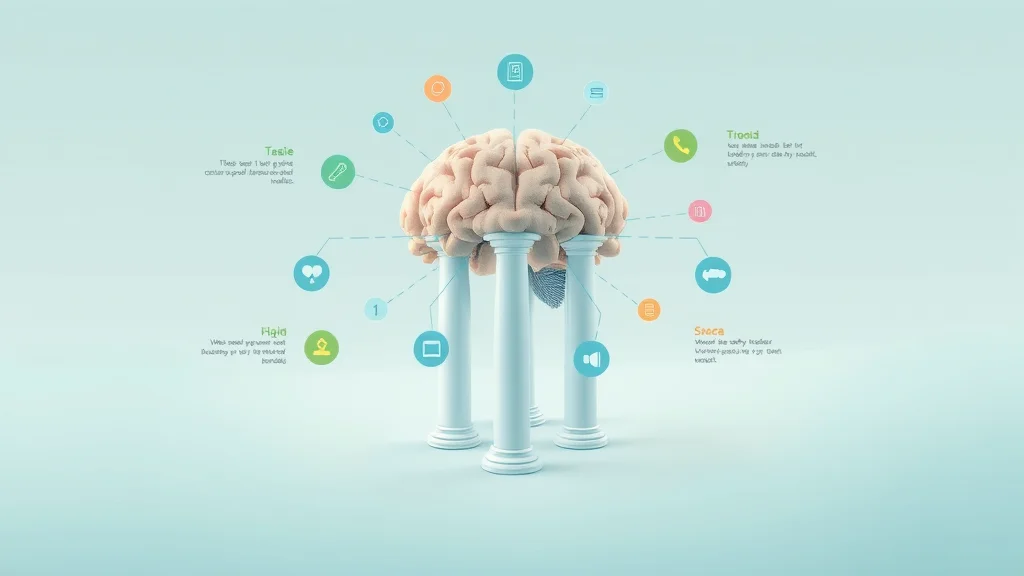
- Emotional resilience sits at the crossroads of psychology and neuroscience. Researchers have found that resilient individuals display higher emotional awareness, greater emotional intelligence, and are more adept at identifying negative thoughts and reframing them into opportunities for positive change. This adaptability means that resilience isn’t just about fighting through a tough time, but transforming the experience into something that fosters personal growth.
- When you invest in building emotional resilience, you equip yourself with better coping mechanisms for managing stress, facing adversity, and navigating stressful situations. Science shows that resilient people aren’t immune to distress—they simply respond to stress in healthier, more productive ways, bouncing back quicker, and staying focused on moving forward, even after life’s biggest setbacks.
One of the most effective ways to enhance emotional resilience is by incorporating mindfulness into your daily routine. If you’re interested in actionable techniques, explore these nine science-backed mindfulness strategies for stress relief that can help you stay grounded and calm during challenging moments.
Key Pillars: The 5 Pillars of Emotional Resilience (PAA)
What are the 5 pillars of emotional resilience?
- The five core pillars are: self-awareness, mindfulness, self-care, positive relationships, and purpose. Self-awareness helps you recognize your feelings; mindfulness keeps you present; self-care prioritizes your well-being; positive relationships offer strong social support; and purpose gives life meaning even during a tough time.
- All five pillars are crucial for building emotional resilience. By consciously practicing these pillars daily, you can enhance your ability to manage stress, foster emotional health, and steadily build resilience, no matter what life throws your way. They provide a framework for understanding and improving both mental health and your connection with others.
Building Emotional Resilience: Practical Strategies
- Practice self-reflection: Keep a daily journal to process emotions and spot negative thought patterns. This builds emotional awareness and lays the groundwork for other life skills.
- Develop a support network: Nurture strong social connections—friends, family, or communities. Social support is a powerful tool for managing stress, as those with a strong social web bounce back from adversity faster.
- Engage in mindfulness: Simple breathing exercises or meditation help you remain present during stressful situations and tough times, easing anxiety and improving emotional intelligence.
- Adopt a growth mindset: Embrace challenges as opportunities for personal growth instead of setbacks. Celebrate good things, however small, along your journey.
- Set healthy boundaries: Learn to say no and manage time to avoid overwhelm. Healthy boundaries boost your ability to cope, prevent burnout, and strengthen interpersonal relationships.
- The real impact of these steps is cumulative—small, daily actions add up. By consistently applying these strategies, you can experience noticeable improvements in your resilience, emotional health, and capacity to move forward more confidently.

The 3 P's of Emotional Resilience (PAA)
What are the 3 P's of emotional resilience?
- The 3 P’s stand for Perspective, Purpose, and Perseverance. Perspective involves reframing challenges and focusing on solutions. Purpose guides you toward long-term goals, fueling motivation. Perseverance helps you keep moving forward, even when progress seems slow.
- Together, the 3 P’s play a central part in building emotional resilience, offering a quick mental checklist when faced with setbacks. Maintaining perspective helps manage stress, purpose adds meaning to difficulties, and perseverance enables you to bounce back and continue striving for growth in all areas of life.
The 7 C's: A Comprehensive Model of Building Emotional Resilience (PAA)
What are the 7 C's of emotional resilience?
- The 7 C’s are Competence, Confidence, Connection, Character, Contribution, Coping, and Control:
- Competence: Knowing your strengths and how to use them during tough times.
- Confidence: Trusting in your own abilities to bounce back after setbacks.
- Connection: Building strong social and interpersonal relationships for support.
- Character: Being true to your values, even under stress.
- Contribution: Giving to others, which encourages a sense of purpose.
- Coping: Using healthy coping mechanisms (such as relaxation exercises or talking to someone).
- Control: Focusing on what you can change, rather than what you can’t.
- Practically applying these C’s means intentionally seeking opportunities to improve skills, strengthen relationships, and develop habits that reinforce resilience—even when you face a stressful situation or negative thoughts. Each ‘C’ can be developed, leading to greater emotional health and flexibility.

Building Emotional Resilience in the Face of Challenges
- There will be moments when life’s challenges feel overwhelming and you may question your ability to cope. Building emotional resilience gives you tools to effectively manage stress and respond to tough times. When difficult circumstances arise, turn to your support network, use relaxation techniques, or take mindful breaks to regain perspective.
- Strong emotional resilience acts as a safety net for your mental health. It helps you avoid rumination and destructive self-talk, encouraging you to shift focus toward the steps you can take to move forward. Whenever adversity strikes, remember that setbacks are opportunities for growth, and your resilience can transform stress into a springboard for strength.
Emotional Resilience and Personal Relationships
- Resilience is not just a personal trait—it’s the glue holding personal relationships together. By strengthening emotional resilience, you become a more supportive partner, friend, or family member, able to communicate with empathy and weather conflicts more calmly.
- The powerful tool of open communication—listening without judgment, expressing your emotions honestly, and respecting boundaries—enriches interpersonal relationships. Resilient individuals also accept help from others, recognizing the importance of strong social connections for maintaining emotional health and building resilience together.

The Role of Social Media in Building Emotional Resilience
- Social media presents unique opportunities and challenges. On one hand, digital platforms connect us with support groups, self-help resources, and inspirational stories from those who have learned to bounce back from adversity. On the other, it can expose us to negativity or comparisons that threaten self-esteem and emotional resilience.
- Protecting your mental health means having clear boundaries online: curate your feeds to follow accounts that uplift you, unfollow toxic content, and take digital detoxes when needed. Be mindful of the impact that online influences have on your ability to manage stress, build resilience, and nurture positive emotions.
Essential Life Skills for Building Emotional Resilience
- Cultivating resilience is supported by a spectrum of life skills. Key attributes include persistence (continuing to strive even when things in life get hard), adaptability (embracing change), and self-awareness (recognizing emotional triggers and strengths).
- Developing these life skills through practice, reflection, and learning from setbacks creates a solid platform for building emotional resilience. Over time, you’ll notice improved self-confidence, more effective coping with stress, and better responses in both everyday and critical situations.
Powerful Tools and Resources for Emotional Resilience
- Numerous therapeutic approaches, self-help resources, and support networks exist to support you in building resilience. These include counseling, cognitive-behavioral therapy, meditation apps, online communities, and helplines.
- Modern technology offers innovative strategies for emotional growth: mindfulness apps, online journaling platforms, and virtual support groups propel personal development and support ongoing progress. Leveraging such tools can supplement your daily routines and help sustain your journey toward emotional strength.

- This video features insights from a leading clinical psychologist. Key takeaways include the importance of consistent self-care, seeking professional support when needed, and integrating relaxation techniques into daily life. It reinforces that building emotional resilience doesn’t happen overnight, but through small, manageable steps.
Table: Comparing Common Approaches to Emotional Resilience
| Approach | Effectiveness | Typical Application |
|---|---|---|
| Mindfulness Meditation | High – reduces stress and increases emotional awareness | Daily practice, apps, classes |
| Cognitive-Behavioral Therapy | Very High – evidence-based for change in thought patterns | Individual or group therapy with professionals |
| Journaling | Moderate – boosts self-reflection and perspective | Home, digital or paper journals |
| Social Connection Activities | High – improves interpersonal relationships and support | Community groups, regular meetups |
| Physical Self-Care | Moderate to High – improves mood/mind-body link | Exercise, rest, nutrition |
Quotes: Insights on Emotional Resilience
"Resilience is not about avoiding the storm, but learning to dance in the rain." – Anonymous Clinical Psychologist
"Building emotional resilience starts with believing that setbacks are setups for comebacks." – Dr. Lisa Feldman Barrett
FAQs on Building Emotional Resilience
-
What are the 5 pillars of emotional resilience?
The five pillars—self-awareness, mindfulness, self-care, positive relationships, and purpose—offer a holistic framework for resilience. By practicing each, you strengthen your ability to manage stress, maintain balance, and foster lasting emotional health. -
How do I build my emotional resilience?
Take small steps like keeping a journal, seeking support, practicing mindfulness, and embracing challenges as growth opportunities. Consistency is vital. Over time, these practices build the emotional strength to handle adversity and life's ever-present ups and downs. -
What are the 3 P’s of emotional resilience?
Perspective (reframing obstacles), Purpose (cultivating meaningful goals), and Perseverance (sustained effort despite setbacks). Together, they create a resilient mindset that fuels ongoing growth. -
What are the 7 C’s of emotional resilience?
Competence, Confidence, Connection, Character, Contribution, Coping, and Control. Each represents an area to nurture, with practical actions that support your journey to emotional strength and adaptability.
Key Takeaways: Mastering Emotional Resilience
- Emotional resilience can be learned and strengthened at any age.
- Focus on self-awareness, building strong relationships, and managing stress.
- Utilize expert strategies, professional support, and technology to support growth.
- Apply the 5 pillars, 3 P’s, and 7 C’s as daily reminders to practice resilience.
Ready to Strengthen Your Emotional Resilience?
- Your journey begins today. Explore recommended resources, connect with supportive communities, and commit to practicing new habits. With patience and intentionality, you’ll find yourself better equipped to manage stress, nurture your mental health, and thrive—no matter what life brings.
If you’re inspired to deepen your understanding of how connection shapes emotional resilience, consider exploring the broader topic of overcoming loneliness and fostering meaningful bonds. Discover how embracing authentic connection can be a transformative step toward lasting peace and emotional well-being by reading this guide on healing from loneliness and the power of connection. By integrating these insights with your resilience-building journey, you’ll unlock new pathways to personal growth and a more fulfilling, connected life.


Write A Comment