

Did you know that proper women’s nutrition could add up to a decade or more to your lifespan? Recent research reveals that women who follow balanced eating patterns and meet age-specific nutrient needs can dramatically improve their health and boost longevity
Startling Truth: How Proper Women’s Nutrition Can Add Years to Your Life
Women who regularly follow healthy eating habits reduce the risk of chronic health problems like heart disease, osteoporosis, and certain cancers—all while improving the quality and length of their lives. A landmark study finds that women aged 20 who adopt nutrient-rich diets rich in fruits, vegetables, whole grains, and omega-3 fatty acids may live up to 10 years longer than those consuming more processed foods and added sugar. While genetics certainly play a role, a healthy diet and consistent physical activity remain powerful allies in promoting good health. Focusing on essential vitamins and minerals, dietary fibre, and nutrient-dense foods is especially important for adult women and girls alike to not only increase their years but also their vitality at every stage.

Unconventional Facts about Women’s Nutrition and Life Expectancy
It’s not just about what you eat, but when and how nutrition is prioritized that makes a difference. Studies show that low iron intake in teenage girls and young women can lead to iron deficiency anemia, which impacts energy and immune system health for decades. On the other hand, women aged 40+ focusing on dietary fibre, calcium, and leafy greens may cut their risk for heart disease significantly—even if they started later in life. Eating healthy is a lifelong journey, and the benefits compound as you age. Modern science proves that every bite counts: swapping processed foods and sugary drinks for nutrient-dense options can add significant years—and quality—to a woman’s life.
What You’ll Learn: Maximizing Good Health with Targeted Women’s Nutrition
- Core principles of healthy eating for women at all life stages
- Age-specific nutrition needs and recommendations
- The role of physical activity in women's nutrition and weight management
- Essential vitamins, minerals, and fatty acids for women
- Strategies for maintaining healthy weight through women’s nutrition
Why Women’s Nutrition Needs Change Throughout Life
Women’s bodies—and their nutritional needs—change from childhood to post-menopause. Hormonal shifts during puberty, pregnancy, and menopause mean that the best approach to good health is always evolving. Many women require more iron during reproductive years to prevent low iron and birth defects, while older women need increased calcium and vitamin D to maintain bone density and reduce the risk of osteoporosis. The key to women’s nutrition lies in understanding these physiological shifts and responding with a flexible, age-appropriate eating strategy. Through every decade, eating healthy remains central to preventing health problems and achieving a long, vibrant, healthy life.
Hormones, Life Stages, and Good Health: The Foundation of Women’s Nutrition
“Nutrition isn’t one-size-fits-all, especially for women whose needs evolve with each decade.” – Registered Dietitian
Women are unique, especially when it comes to nutrition and hormones. Hormonal changes—like those associated with menstruation, pregnancy, and menopause—affect how the body uses and stores nutrients. A woman in her 20s may need extra folate for cell growth and iron for blood health, while a woman in her 50s might prioritize calcium and vitamin D for strong bones and healthy weight. Recognizing and meeting these life stage-specific needs is vital for promoting healthy eating patterns and overall good health. By tailoring your diet to your current life phase, you lay a foundation for lasting well-being and minimize long-term risks for chronic diseases like heart disease or osteoporosis.

Core Pillars of Women’s Nutrition: Healthy Eating Guidelines
The basics of a healthy diet for women boil down to balancing macronutrients and meeting daily requirements for vital vitamins and minerals. This involves focusing on high fibre foods, minimizing added sugar, and making whole foods the staple of your diet. Eating patterns rich in a variety of nutrient-dense foods—like oily fish, leafy greens, dairy products, nuts, and seeds—help reach and maintain a healthy weight while reducing the risk of health problems. Women who keep a consistent healthy eating plan, incorporating dietary fibre and good sources of protein, iron, and calcium, tend to enjoy better immune function, stable mood, and more resilient energy levels across their lives.
While nutrition is foundational for women’s health, it’s also important to consider how natural self-care routines can complement your wellness journey. For example, exploring DIY hair oil treatments can be a nourishing way to support healthy hair alongside a balanced diet, offering a holistic approach to feeling your best.
Meeting Daily Nutritional Needs for Females
- Importance of balanced macronutrients
- Key micronutrients: iron, calcium, folate, and more
- Incorporating healthy eating patterns
To meet their daily needs, women should ensure their diets feature balanced amounts of carbohydrates, proteins, and healthy fats. Essential vitamins and minerals, such as folate for DNA synthesis, iron to prevent anemia, and calcium for bone strength, are especially important. Incorporating high-quality sources such as lean meats, dairy products, leafy greens, and legumes can make a huge difference in overall health. Additionally, following a consistent eating pattern that limits processed foods and includes plenty of fibre-rich vegetables and whole grains sets the foundation for good health and helps maintain a healthy weight through every phase of life.
Watch: Key Foods to Boost Women’s Nutrition Across the Lifespan
Women’s Nutrition for Teens and Early Adulthood: Setting the Stage for Good Health

The teenage years and early adulthood set the stage for a woman’s lifelong relationship with food and health. Adolescent girls often face unique challenges, including increased iron needs due to menstruation and overall rapid growth, making it vital to get enough high fibre and lean protein in their diets. Chronic low iron or iron deficiency during this period can lead to fatigue, decreased immune system function, and cognitive difficulties. Eating a variety of healthy foods, such as dairy products for calcium, eggs, lean meats, and a rainbow of fruits and vegetables, also helps prepare for future milestones like pregnancy, when nutrient needs soar even higher.
Critical Nutrients for Growth: Protein, Iron, and Folate
Protein supports the development of strong muscles and tissues, while iron and folate are foundational for blood health, cell growth, and preventing birth defects. For teens and women in their twenties, including good sources like eggs, beans, nuts, seeds, and leafy greens is essential. Adding oily fish like salmon provides omega-3 fatty acids, which boost brain health and reduce the risk of developing heart disease later. Encouraging lifelong healthy eating during these formative years helps women achieve and maintain a healthy weight and protects against health problems as they age.
Building and Maintaining a Healthy Weight Through Women’s Nutrition
The solution? Make gradual, sustainable changes: incorporate healthy eating habits, focus on high-fibre foods, and stay active
| Age Group | Key Nutrients | Healthy Eating Tips |
|---|---|---|
| Teens | Iron, Calcium, Protein | Include leafy greens, dairy, lean meats |
| 20s–30s | Folate, Healthy Fats, Vitamin D | Whole grains, avocados, fatty fish |
| 40s–50s | Calcium, Fiber, Antioxidants | Oats, berries, beans |
| 60+ | Vitamin B12, Protein, Omega-3 fatty acids | Eggs, legumes, salmon |
As women age, their nutrition priorities shift—but eating healthy remains non-negotiable for energy, mood, and disease prevention. Adapting your food and drink choices to focus on nutrient-rich options is key for life-long well-being and helps maintain a healthy weight at any stage.
Physical Activity and Women’s Nutrition: The Dynamic Duo for Good Health

Physical activity and nutrition are inseparable when it comes to women’s health. Regular movement boosts the immune system, supports weight loss, and helps every cell in your body work at its best. For women, matching physical activity to intake and quality food and drink can help reach and maintain a healthy weight for a lifetime. Engaging in activities like walking, yoga, strength training, or team sports not only supports healthy bones, joints, and muscles, but can also encourage better food choices, contributing to a sustainable healthy diet and improved good health overall.
Pairing Exercise and Healthy Eating for Optimum Results
To get the most out of every workout, it’s important to fuel properly: eat a mix of lean protein, complex carbohydrates, and healthy fats before and after activity to optimize energy and recovery. Hydration with water and a focus on high fibre vegetables and fruits round out an effective plan. Remember, your body’s fuel needs will differ based on activity level and age, so adapt portion sizes and meal timing as needed. The pairing of movement and nutrition creates a cycle: physical activity motivates better nutrition, and healthy eating leads to more energy for exercise, all working together to support a healthy life.
Fats and Fatty Acids: What Every Woman Needs to Know
Healthy fats, including omega-3 and omega-6 fatty acids, are vital for brain function, hormone balance, and absorption of key vitamins. Despite the myth that fat is bad for you, choosing the right types in proper portions is crucial for women’s nutrition. Fats from oily fish, nuts, seeds, and plant oils can reduce the risk of heart disease, improve skin and brain health, and help maintain a healthy weight. On the other hand, limiting saturated fats and avoiding trans fats is important for long-term good health.
Choosing Healthy Fats and Understanding Omega-3 Fatty Acids
Omega-3 fatty acids found in salmon, sardines, flaxseeds, chia seeds, and walnuts stand out as particularly beneficial. These healthy fats support cell growth, reduce inflammation, and have been linked to better heart and brain function in women of all ages. Other good sources of healthy fat include avocado, olive oil, and nut butters. For adult women, incorporating these foods two to three times a week ensures your diet supports healthy development, especially if you’re pregnant or breastfeeding, when fatty acid demands increase. Swapping fried foods for grilled or baked options and choosing plant oils over animal fats can help you get all the benefits while keeping your heart healthy.
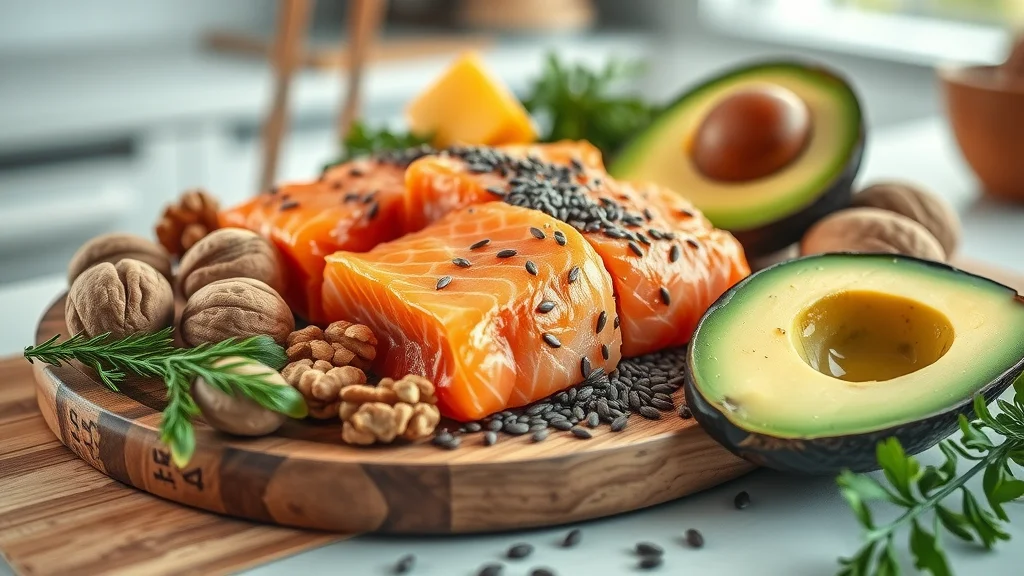
How to Include More Omega-3 Fatty Acids in Women’s Nutrition
Women’s Nutrition for Pregnancy and Motherhood
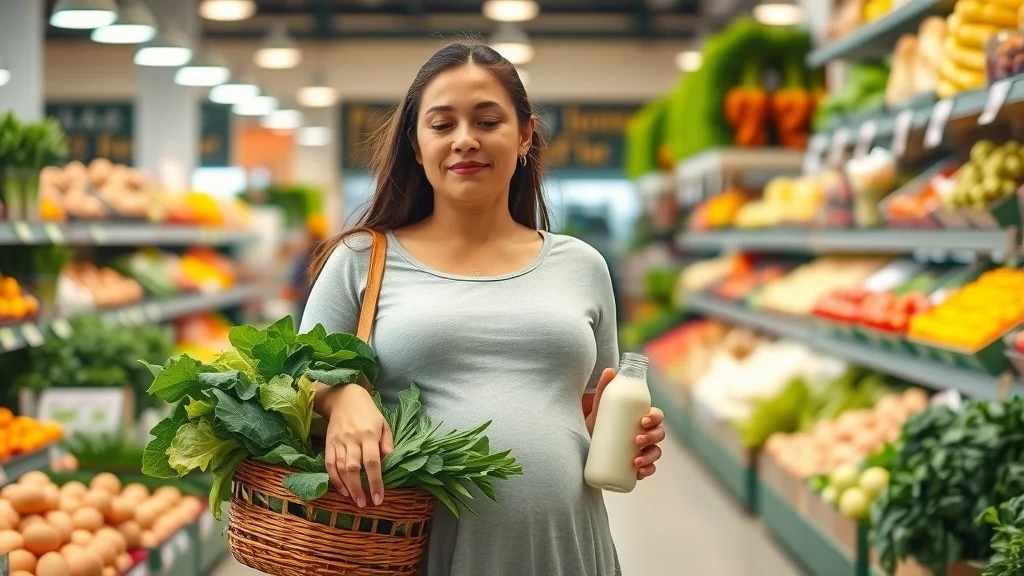
During pregnancy, a woman’s nutrition needs soar. Additional folic acid helps prevent birth defects; more iron supports healthy blood for both mom and baby; calcium and vitamin D build strong bones and teeth. Those who breastfeed need extra calories along with nutrient-dense foods to produce nourishing milk. Healthy eating during this stage means choosing a wide range of whole foods, staying hydrated, and avoiding high-risk items like certain fish and unpasteurized dairy products. A focus on good source foods sets the best example for your growing family and establishes lifelong healthy eating habits.
Key Nutritional Considerations: Folic Acid, Calcium, Iron, DHA
- Best foods for mothers and mothers-to-be
- Vitamins and minerals to focus on during pregnancy
- Diet adjustments for breastfeeding
Pregnant women must be extra vigilant about their intake of folic acid (boosts baby’s neural development and prevents birth defects), calcium and vitamin D (build strong bones and teeth), iron (supports increased blood volume), and DHA (an omega-3 for brain and eye health). Good source foods include spinach, fortified cereals, salmon, eggs, nuts, dairy products, and lean meats. Women who breastfeed should eat a balanced diet, increase fluid intake, and focus on high fibre and protein-rich meals to support milk production and their own recovery.
Menopause and Beyond: Adjusting Women’s Nutrition for Mature Women
Post-menopausal women face unique nutrition changes. Declining estrogen raises the risk for low levels of calcium in the bones, making osteoporosis a common health problem. It also affects body composition, and metabolism slows down, making it easier to gain weight. Tailoring your healthy eating plan to prioritize calcium, vitamin D, and a variety of fruits and vegetables can help maintain a healthy weight, support heart health, and keep bones strong. Focus on low-fat dairy products, fortified foods, nuts, and high fibre whole grains like oats and barley for long-term resilience.
Calcium, Vitamin D, and Managing Healthy Weight after 50
To protect bones and overall healthy life after 50, ensure the daily diet contains good sources of calcium and vitamin D. This could mean three servings of low-fat dairy, plenty of leafy greens, salmon, eggs, and fortified cereals. Performing weight-bearing exercises such as walking and strength training can help maintain a healthy weight and bone density. Older women should pay special attention to their vitamin B12 intake, as absorption can diminish with age, and adding high protein foods can support muscle maintenance and immune system health.
Addressing Common Women’s Nutrition Myths and Misconceptions
- Separating fact from fiction in women’s nutrition advice
- Healthy eating vs. fad diets
It’s easy to become overwhelmed by the sheer amount of nutrition advice—and misinformation—out there. One prevalent myth is that all fats are unhealthy. Another is that removing entire food groups is necessary for weight loss. In reality, sustainable healthy eating does not involve deprivation or food bans. Instead, focus on moderating portion sizes, limiting added sugar, and choosing nutrient-rich foods over empty calories. While fad diets may promise fast results, they often result in deficiencies and rebound weight gain. A healthy diet for life is one that is inclusive, balanced, and enjoyable, supporting women’s nutrition needs at every stage and activity level.
People Also Ask (PAA): Women’s Nutrition Questions
What are the nutritional needs for females?
Answer: Understanding Core Women’s Nutrition Needs
Women need a diet rich in lean protein, complex carbohydrates, healthy fats—especially omega-3 fatty acids—and essential vitamins and minerals such as iron, calcium, folate, and vitamin D. These help maintain a healthy weight, robust immune system, and support hormonal health. Nutritional needs vary with age, activity level, and life stages (like pregnancy and menopause), so adapting your choices regularly ensures lifelong good health and energy.
What is the 3-3-3 rule for losing weight?
Answer: The Role of Healthy Eating and Physical Activity in Weight Loss
The “3-3-3 rule” suggests making three healthy food and drink swaps, getting three sessions of regular physical activity each week, and setting three realistic, measurable goals for sustainable weight loss. Rather than crash diets, this approach emphasizes slow, lasting habits with a focus on healthy eating and movement to reach and maintain a healthy weight.
How to lose 10 pounds in 10 days for a woman?
Answer: Safe and Effective Approaches to Healthy Weight Loss in Women’s Nutrition
Losing 10 pounds in 10 days isn’t safe or recommended by nutrition experts; rapid weight loss often leads to muscle loss, low energy, and quick regain. The healthiest approach is gradual—aim for losing 1–2 pounds per week through reduced added sugar and refined foods, increased dietary fibre, proper hydration, and more physical activity. This method is more sustainable and protects good health in the long run.
What should a woman eat every day?
Answer: Daily Healthy Eating Patterns for Good Health and Energy
Women should aim to eat a variety of colorful fruits and vegetables, whole grains, lean proteins (like beans, fish, and poultry), healthy fats (from avocados, nuts, and oily fish), and dairy products, while limiting processed foods and added sugar. Ensuring each meal is well-balanced supports hormone regulation, immune function, and energy—all crucial for maintaining a healthy life at any age.
FAQs: Clarifying Key Points in Women’s Nutrition
-
How can women balance nutrition and a busy lifestyle?
Meal prepping, keeping healthy snacks like nuts and fruit on hand, and planning simple, nutritious meals in advance make eating healthy manageable even with a packed schedule. -
What are top sources of plant-based protein?
Lentils, chickpeas, tofu, edamame, seeds, and quinoa are all excellent plant-based protein options for women at any age. -
Do nutrient needs change with different levels of physical activity?
Yes, the more active you are, the higher your needs for calories and certain nutrients (like protein, iron, and B vitamins), to fuel recovery and support a healthy life.
Key Takeaways for Women’s Nutrition and Healthy Eating at Every Age
- Women’s nutrition is dynamic and varies across each life stage
- Balanced healthy eating and physical activity are critical for good health
- Focus on key nutrients, maintain a healthy weight, and avoid common nutrition myths
Start Your Journey: Expert-Backed Nutrition Plans for Women’s Good Health
The time to invest in your nutrition is now—explore trusted nutrition resources, partner with a registered dietitian, and tailor a healthy eating plan for your unique stage of life. Together, smart food choices and regular movement are the foundation of a long, healthy, and fulfilling life.
As you continue to refine your approach to women’s health, remember that true wellness is about more than just what’s on your plate. Embracing natural self-care rituals, such as nourishing your hair and scalp with homemade treatments, can further enhance your sense of vitality and confidence. If you’re interested in expanding your holistic wellness routine, discover how simple, natural ingredients can transform your hair health by exploring DIY hair oil treatments. Taking these next steps can help you feel your best from the inside out, supporting a vibrant, balanced lifestyle at every age.


Write A Comment