

Did you know that diet alone could influence nearly a decade of your lifespan? Growing scientific consensus reveals that longevity nutrition—the art and science of fueling your body for long-term health—is not only crucial for living longer but also for thriving with vitality
Startling Facts About Longevity Nutrition: Why What You Eat Matters Most
Science has made one thing remarkably clear: what you eat matters more than almost any other lifestyle factor when it comes to longevity nutrition. Landmark studies on the world's healthiest populations reveal a powerful link between nutrient-rich diets and longer, healthier life. For example, research on “Blue Zones”—areas where people routinely live past 100—shows that a diet rich in fruits and vegetables, whole grains, and healthy fats plays a dramatic role in lowering the risk of chronic diseases like heart disease, cognitive decline, and metabolic health problems.
Eating patterns characterized by low red meat and minimal processed foods consumption, and a strong focus on whole, plant-based foods, are consistently proven to support healthy aging and robust immune systems. For older adults, these nutrition strategies not only decrease the incidence of ailments like osteoporosis and neurodegenerative delay but also boost muscle mass, which is essential for mobility and quality of life as you age. The emerging evidence suggests that what you put on your plate can be a powerful intervention for both living longer and feeling better every day.

What You'll Learn: Mastering Longevity Nutrition
- How longevity nutrition impacts healthy aging
- Key nutrients and dietary patterns that support healthy longevity
- Science-backed strategies for boosting your longevity diet
- Practical lifestyle choices to maximize nutrition for longevity
Understanding Longevity Nutrition
At its core, longevity nutrition means thoughtfully choosing foods and dietary habits that help you live longer, thrive into older age, and enjoy a high quality of life. This nutrition approach draws on decades of global health research, showing the direct influence of food choice on biological processes like inflammation, metabolic health, and cognitive function.
What sets longevity nutrition apart from generic healthy eating is a targeted focus on key nutrients and dietary patterns that promote healthy aging, preserve muscle mass, and reduce risks of age-related diseases. A balanced longevity nutrition plan is not a restrictive fad but a sustainable blueprint: rich in fruits and vegetables, whole grains, and healthy fats, while limiting red meats and processed snacks. Making daily food decisions with longevity in mind can help extend your “healthspan” — the years spent in good health and independence.
"Nutrition lays the foundation for a long, vibrant life. The choices you make each day build your health for decades to come." — Expert in Nutrition for Longevity
The Longevity Diet: What It Is and Why It Works

The longevity diet is a proven nutrition program modeled on the eating habits of the world’s longest-living populations. Its primary features include a diet high in plant-based foods, very limited amounts of animal protein, plenty of healthy fats like olive oil and nuts, and minimal processed foods. Numerous scientific studies have found that people following this type of diet experience lower mortality rates, reduced risk of heart disease, and improved metabolic health. A diet rich in vegetables, legumes, whole grains, and healthy fats also supports healthy gut microbiome diversity, which has been linked to better immune function and cognitive resilience in older adults.
Embracing a longevity diet does more than just lower disease risk—it offers sustained energy, improved brain function, and promotes a lifelong healthy weight. By focusing on the right balance of macronutrients and anti-inflammatory foods, you’re giving your body the optimal building blocks for long-term health, potentially delaying the onset of chronic illness and maintaining quality of life for years to come.
- Plant-based focus (vegetables, legumes, whole grains)
- Low animal protein intake
- Healthy fats (olive oil, nuts)
- Limited processed foods
Key Features of the Longevity Diet
Central to the longevity diet is the primacy of plant-based foods: meals brimming with non-starchy vegetables, legumes such as beans and lentils, whole grains, and a daily dose of healthy food like nuts and seeds. Animal proteins—especially red meat—are rare treats here, while fish and eggs are eaten only occasionally. Healthy fats, especially extra-virgin olive oil, are a staple, helping to reduce inflammation and promote heart health.
Processed foods, sugary treats, and heavily refined grains are minimized to prevent health risks like diabetes, obesity, and cognitive decline. The diet emphasizes variety and moderation and encourages mindful eating practices: enjoying meals slowly, in a social setting when possible, to help regulate portion size and boost satisfaction. Adopting these habits long-term offers measurable benefits for both physical health and mental well-being, with the potential to support metabolic health, delay neurodegenerative conditions, and maintain muscle mass into older adulthood.
While nutrition is a cornerstone of healthy aging, it's important to remember that holistic wellness extends beyond just what you eat. For those interested in natural approaches to self-care, exploring how to nourish your hair with homemade treatments can complement your overall health routine. Discover practical ways to enhance your hair’s vitality with DIY hair oil treatments that use natural ingredients for a gentle, effective boost.
Key Nutrients Essential for Longevity Nutrition
| Essential Nutrients for Longevity | Sources | Benefits |
|---|---|---|
| Omega-3 Fatty Acids | Fatty fish, flaxseed | Supports heart & brain health |
| Antioxidants | Berries, dark leafy greens | Protects from oxidative damage |
| Fiber | Whole grains, beans | Regulates digestion & lowers cholesterol |
| Vitamin D | Sunlight, fortified foods | Supports bones & immunity |
| Polyphenols | Tea, olive oil, berries | Anti-inflammatory properties |
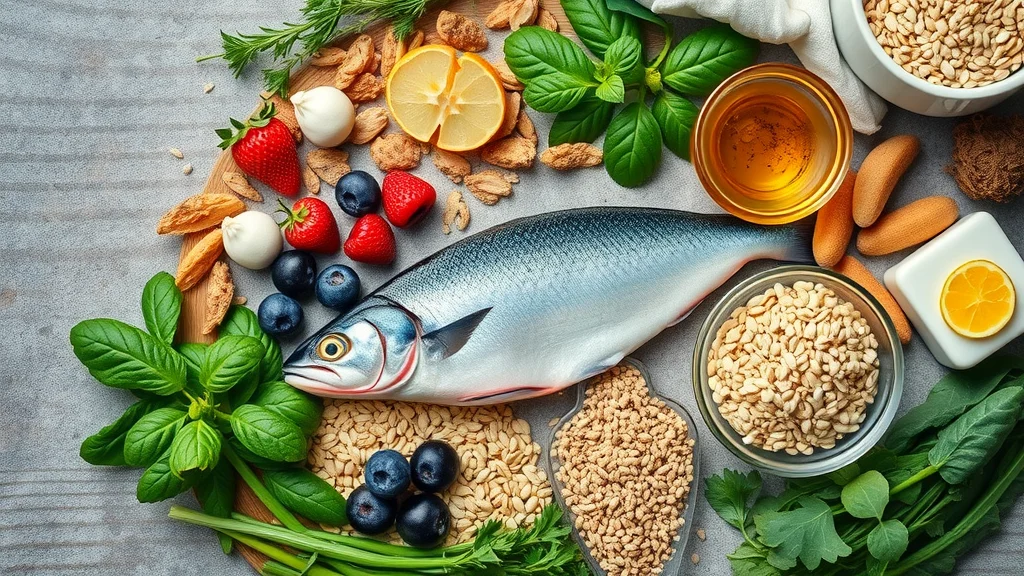
These key nutrients form the backbone of any diet proven to support healthy aging. Omega-3 fatty acids found in fish and flaxseed are linked to reduced risk of heart disease, improved brain function, and a lower likelihood of cognitive decline in older adults. Antioxidant-rich foods such as berries and dark leafy greens counteract oxidative stress, which can accelerate aging and contribute to neurodegenerative delay. Fiber, abundant in whole grains and legumes, not only aids in digestion but also helps with weight loss and metabolic health by controlling blood sugar and cholesterol levels.
Supplementing these with vitamin D—through careful sun exposure or fortified foods—ensures robust bone health and keeps the immune system in top shape, a critical issue for older adults aiming to stay active and independent. Polyphenols, abundant in green tea, olive oil, and berries, deliver proven anti-inflammatory benefits that may slow chronic disease progression and boost overall quality of life. Rather than relying on supplements, intentional daily choices rooted in whole foods guarantee a more effective, sustainable approach to nutrition for longevity.
Nutrition for Longevity: Sample Daily Meal Plan
| Time | Meal | Longevity Nutrition Focus |
|---|---|---|
| 7:30 AM | Oatmeal with berries and walnuts | Fiber, antioxidants, omega-3s |
| 12:00 PM | Lentil salad with kale, tomatoes & olive oil | Plant protein, polyphenols |
| 3:00 PM | Green tea with almonds | Polyphenols, healthy fats |
| 6:30 PM | Grilled salmon, quinoa, roasted vegetables | Omega-3s, fiber |

This sample meal plan illustrates how easy and delicious it can be to follow a longevity nutrition approach. Breakfast starts strong with high-fiber, antioxidant-rich oatmeal and nuts to boost brain function and manage satiety. For lunch, a protein-packed lentil salad provides key phytonutrients, fiber, and healthy fats—showing how plant-based proteins support healthy muscle mass for older adults.
A mid-afternoon snack of green tea and almonds supplies additional polyphenols and healthy fats, giving an energy lift without reliance on processed snacks. Dinner brings a classic longevity meal: omega-3-rich salmon, fiber-packed quinoa, and roasted vegetables, rounding out a day balanced for metabolic health, immune support, and lasting energy. Over time, these choices collectively promote healthy aging, reduce chronic disease risk, and set the stage for living longer in vibrant health.
Animated explainer: What Is Longevity Nutrition and Why Does It Matter?
Lifestyle Choices to Support Healthy Aging Through Longevity Nutrition
- Meal planning and mindful eating
- Intermittent fasting and time-restricted eating
- Maintaining hydration and physical activity
- Social and emotional wellbeing

While diet is the foundation of longevity nutrition, how you live day-to-day plays a huge role in bringing healthy habits to life. Effective meal planning reduces the temptation of unhealthy choices, and mindful eating helps regulate appetite, improve digestion, and maximize your meal’s nutritional impact. Intermittent fasting and time-restricted eating, increasingly popular among those aiming for healthy aging, show promise in supporting metabolic health and lowering inflammation, especially in older adults.
Staying hydrated—by prioritizing water and unsweetened beverages—maintains crucial body processes and can enhance cognitive clarity. Physical activity, whether it’s a brisk walk in the park or resistance training, preserves muscle mass, boosts heart health, and can delay the effects of aging. Perhaps just as vital are social and emotional connections: sharing meals with friends or joining group activities fosters community, reduces stress, and is directly linked to a longer, healthier life. These holistic lifestyle choices strengthen the benefits of a nutritious diet, supporting healthy aging and overall wellbeing.
How to Build a Sustainable Longevity Diet for Life
- Assess your personal health needs
- Incorporate diverse plant-based foods
- Reduce processed and red meats
- Learn to read nutrition labels
- Plan ahead for busy days
"A sustainable longevity diet is about consistency, not perfection. Small steps matter."

If you want to build a longevity diet that endures, start with an honest assessment of your health goals and current dietary habits. Every person has unique needs—older adults may require more calcium and vitamin D, while those seeking weight loss or improved metabolic health may focus on fiber and healthy fats. The next step is gradually incorporating a wide array of plant-based foods: leafy greens, berries, legumes, whole grains, nuts, and seeds.
Reducing reliance on red meat and processed foods is key to maximizing benefits. Becoming skilled at reading nutrition labels helps you identify hidden sugars, sodium, and unhealthy fats in packaged products. Finally, planning your meals ahead—especially for busy days—makes sticking to healthy eating much easier. Batch-cooking, prepping snacks, and keeping your kitchen stocked with healthy food ensures that nutritious choices are always within reach. The real secret is sustainability: consistent, long-term effort is much more important than restrictive short-term diets.
Science Spotlight: Research Behind Nutrition for Longevity
| Study | Population | Key Finding |
|---|---|---|
| Blue Zones | Global | Plant-rich diets common in longest-lived populations |
| CALERIE Study | US | Caloric restriction linked to metabolic health |
| Adventist Health Study | US | Plant-based diets correlated with increased lifespan |

These pivotal studies underscore why nutrition for longevity is so powerful. Populations in Blue Zones—including places like Okinawa and Sardinia—display remarkable lifespans, and their diets emphasize fruits and vegetables, fiber, and limited animal products. The CALERIE study took a scientific look at caloric restriction and found ongoing benefits for metabolic health, while the Adventist Health Study echoed that plant-based eating regimes support healthy aging across diverse backgrounds.
Such research has global implications: adopting even a few elements of these dietary blueprints—like adding more whole plant foods and reducing red meat—can improve your healthspan and quality of life. These findings remind us that the basics matter: real, unprocessed food, eaten in balance and moderation, lays the groundwork for decades of healthy living.
Interview with an Expert: Nutrition Tips for Longevity and Healthy Aging
Common Pitfalls: What to Avoid in Your Longevity Nutrition Journey
- Overreliance on supplementation
- Extreme diets without scientific backing
- Ignoring individual nutritional needs
- Fad diets over evidence-based choices

Embarking on a path toward longevity nutrition comes with potential pitfalls. A common mistake is relying too heavily on supplements rather than whole foods—while specific deficiencies may need addressing, no pill can replace the complexity of a diverse healthy diet. Extreme or fad diets may promise fast weight loss or health gains but often lack the balanced nutrients required for long-term health and can harm the gut microbiome or trigger nutrient deficits, especially in older adults.
It's also vital not to neglect individual needs: what works for one person may not work for another, particularly in the context of specific health conditions, medications, or stages of life. Finally, be skeptical of nutrition trends not rooted in solid research. Stick with evidence-based choices—like the tried-and-true longevity diet—over quick fixes. Focusing on a sustainable nutrition program, with adjustments for your own body and lifestyle, is the safest and most effective path to living longer and healthier.
People Also Ask
What can you eat on the longevity diet?
On the longevity diet, you focus on plant-based foods: a variety of fresh vegetables, leafy greens, beans, lentils, whole grains like brown rice or quinoa, and healthy fats from nuts and olive oil. Small portions of fatty fish and limited eggs are also allowed, while red meat and processed foods are kept to a minimum. Fruits and herbs add flavor and antioxidants, and water is the primary beverage. This type of eating pattern supports healthy aging by providing all the essential nutrients proven to support a longer, healthier life.
What are the 7 habits of longevity?
The “7 habits of longevity” often include: eating mostly whole plant-based foods, staying physically active, maintaining healthy body weight, getting enough sleep, managing stress, fostering social connections, and practicing moderation (including not overeating). These combined habits are consistently found in populations that live longer and healthier, and together they work to support healthy aging at every stage of life.
What food adds 33 minutes to your life?
Studies have cited that eating a serving of nutrient-packed foods—such as fruits, vegetables, and nuts—can “add” minutes to your life due to their influence on reducing chronic disease risk. For example, consuming a serving of nuts or whole grains has been associated with a possible increase of about 33 minutes in healthy life expectancy. While the calculation is symbolic, the real takeaway is that regular intake of healthy food like nuts makes a meaningful difference for long-term health outcomes.
What are the 5 P's of longevity?
The “5 P’s of longevity” in nutrition are: Plant-based foods, Portion control, Physical activity, Purposeful social connections, and Positive mindset. Integrating these principles into daily life is a powerful approach to promoting a longer, more vibrant life, reinforced by strong scientific evidence from research on nutrition for longevity and healthy aging.
FAQs: Longevity Nutrition and Diet
-
Is a longevity diet suitable for all ages?
Yes, with adjustments for life stages. Older adults may need additional calcium and vitamin D, while children and young adults can benefit from the variety and balance of nutrients provided by a longevity nutrition plan. Consulting a healthcare provider can help tailor your approach. -
How quickly can you see benefits from improved longevity nutrition?
Positive changes in metabolic health, energy, and digestion can be felt within weeks. Long-term outcomes, like reduced risk for chronic diseases and improved cognitive function, develop over months and years. Consistency is key for lasting benefits. -
Can supplements replace whole foods for longevity?
No. While specific supplements may be recommended to address deficiencies (like vitamin D or B12), the synergy of vitamins, minerals, fiber, and phytochemicals in whole foods cannot be fully replicated by supplements. -
What are some common misconceptions about longevity nutrition?
Some believe it involves strict veganism, but moderate consumption of fish, eggs, or dairy can still fit within longevity guidelines. Another misconception is that only older adults need to worry about longevity; in truth, healthy habits are best started early for the greatest impact.
Key Takeaways for Optimizing Longevity Nutrition
- Emphasize a whole-foods, plant-based longevity nutrition plan
- Focus on key nutrients that support healthy aging
- Integrate lifestyle choices for maximum benefit
- Sustainability and consistency trump perfection
Begin Your Longevity Nutrition Journey Today
True longevity nutrition is about embracing daily actions that add years of healthy, independent living. Start with one change this week—your future self will thank you.
As you continue your journey toward a longer, healthier life, remember that wellness is a holistic pursuit—nourishing your body, mind, and even your self-care rituals. If you’re inspired to expand your healthy habits beyond nutrition, consider exploring natural beauty routines that support your overall vitality. For instance, learning how to create your own nourishing hair oil blends can be a rewarding way to care for yourself using simple, wholesome ingredients. Discover more about the benefits and techniques of natural hair care with DIY hair oil treatments designed to revitalize your hair naturally. Embracing these small, mindful practices can help you build a lifestyle that supports longevity from the inside out.


Write A Comment