

Over 40 million adults in the U.S. struggle with anxiety annually, demonstrating just how widespread the need for effective anxiety relief techniques truly is. Anxiety doesn’t wait for the ‘right’ moment; it strikes in crowded offices, coffee shops, and even at home among loved ones. But imagine if you could call upon strategies to reduce anxiety—anywhere, at any time, with nothing but a few moments and your own senses. In this comprehensive guide, you’ll discover evidence-based anxiety relief techniques designed for real people facing real stress, helping you take back control of your mental wellbeing on the spot.

A Startling Look at How Anxiety Impacts Our Lives
"Over 40 million adults in the U.S. struggle with anxiety annually, demonstrating just how widespread the need for effective anxiety relief techniques truly is."
It’s easy to underestimate the pervasive grip that anxiety can have on your everyday life. You might notice your heart rate jumping at the thought of a looming deadline or recognize that familiar knot in your stomach when faced with unexpected social situations. These reactions are not isolated—or rare. Studies show that anxiety and panic attacks are among the most common mental health concerns today, affecting every demographic and age group. The consequences go far beyond temporary discomfort, sometimes escalating into panic attacks that disrupt work, relationships, and even physical health. This is why having rapid, accessible, and practical anxiety relief techniques is not just helpful—it’s essential for your mental wellbeing.
People find themselves searching for ways to reduce anxiety quickly because ongoing stress can erode daily function, workplace productivity, and personal relationships. Without effective coping skills, you may experience a cycle of avoidance, excessive worry, and irritability that impacts more than just your mental state. As medical professionals and behavioral health partners consistently explain, gaining tools for fast relief helps you feel more in control—increasing your ability to respond, not just react, when anxiety strikes.
Why Effective Anxiety Relief Techniques Are Needed
- Prevalence of anxiety and panic attacks in modern society: Soaring rates among all age groups highlight an urgent need for tools that address anxiety fast.
- Negative effects on mental health, daily function, and well-being: Unmanaged anxiety increases risk for physical health issues and can cause long-term damage to relationships and career growth.
- Importance of rapid, accessible methods to reduce anxiety: Immediate relief techniques can prevent full-blown panic attacks and help you feel anchored wherever you are.
What You'll Learn About Anxiety Relief Techniques
- What anxiety is and how it manifests in your body and mind
- The science behind proven anxiety relief techniques
- Practical, expert-backed strategies you can use anytime, anywhere—even in the middle of a busy day
- How to distinguish between normal stress and the warning signs of panic attacks—and act accordingly
- Tips for when to consult a medical professional for extra support
Understanding Anxiety: The Basics
Before you can reduce anxiety, you need to understand how it works. Anxiety is a natural response to perceived threats, but for those with anxiety disorder or frequent panic attacks, this feeling can appear with no apparent reason. While occasional anxiety is a normal part of life, chronic anxiety impacts your ability to function, affecting sleep, concentration, and your overall sense of safety. By distinguishing anxiety from a panic attack, you gain clarity in choosing the right anxiety relief techniques—a vital first step on the journey to better mental health.
Clinical experts, such as those at MD Anderson and leading peer support organizations, note that recognizing your unique triggers and symptoms is key. This self-awareness helps prevent escalation into more severe episodes and empowers you to deploy the right coping strategies fast. From racing thoughts and excessive worry to feeling anxious in new settings, the signs may vary, but the need for ways to manage these responses is universal.
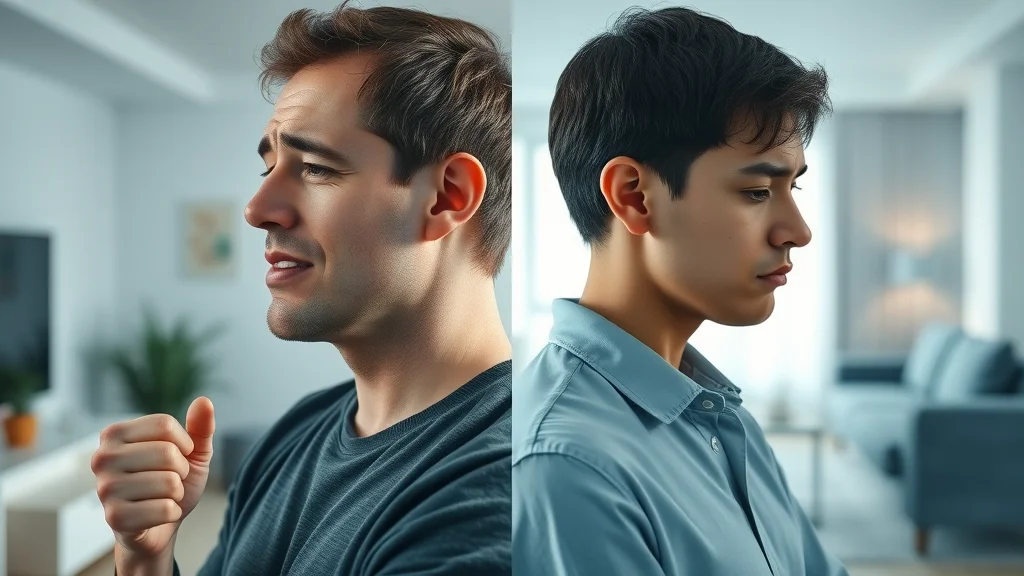
What is Anxiety and How Does It Differ from a Panic Attack?
Anxiety typically involves a sense of fear or unease about potential future events, often tied to excessive worry or rumination. This feeling may be persistent and can build over time—impacting sleep, appetite, and even your ability to focus at work or school. In contrast, a panic attack is characterized by a sudden surge of intense fear or discomfort, peaking within minutes and usually accompanied by symptoms like rapid heartbeat, sweating, trembling, and a feeling of imminent danger. While both conditions overlap, panic attacks are often more acute and can strike without warning, making immediate anxiety relief techniques especially crucial. Knowing this difference allows you to seek the right kind of support from a medical professional or behavioral health expert when you need it most.
Understanding the distinction helps you act fast. A panic attack may cause you to feel anxious or scared to the point where leaving a situation or seeking immediate help seems necessary. On the other hand, generalized anxiety can simmer in the background for weeks or months. Having tools that work for both scenarios—like grounding techniques and deep breathing—prepares you for whatever form anxiety takes.
Common Signs and Symptoms of Anxiety and Panic Attacks
- Physical manifestations: rapid heartbeat, sweating, trembling, chest tightness, headaches, and stomachaches
- Cognitive symptoms: racing thoughts, excessive worry, trouble concentrating, or imagining worst-case scenarios
- Behavioral cues: avoidance of social events, irritability, procrastination, and feeling like you need to ‘escape’ from situations
Recognizing these early warning signs can help you apply anxiety relief techniques before things escalate. Practicing these skills consistently also makes it easier to feel more in control, both in moments of mild worry and during full-blown panic attacks.
Medical professionals stress that knowing what to look for—and taking proactive steps—can make a significant difference in reducing anxiety long-term. As peer support networks and clinical social workers explain, these strategies are tools you can take with you everywhere, ready to use whenever needed.
The Science Behind Anxiety Relief Techniques
Anxiety relief techniques are not just popular tips; they are grounded in neuroscience and psychology. When your body perceives a threat—whether a tight deadline or an unsettling memory—your amygdala triggers the 'fight or flight' response. This leads to a surge of stress hormones, faster heart rate, and shallow breathing as the body prepares to act. Over time, staying in this heightened state can lead to chronic stress and frequent panic attacks.
However, studies show that employing rapid anxiety relief techniques can interrupt this stress cycle. For example, slow breathing and grounding exercises signal to your brain that you're safe, allowing your parasympathetic nervous system to take over. Insights from MD Anderson and other behavioral health partners confirm that when you consciously engage in these practices, you actually rewire your brain toward a more calm, focused state.
How Anxiety Relief Techniques Work on the Brain
- Role of the amygdala and stress response: The amygdala is responsible for detecting threats and activating stress responses. Relief techniques ‘calm’ this brain center, reducing the urge to panic.
- Neurochemical changes during stress reduction: Techniques like deep breathing increase oxygen flow and shift neurochemical balance, reducing stress hormones and lowering your heart rate.
- Evidence from MD Anderson and leading mental health experts: Peer-reviewed studies and guidance from experts show these methods work—both in preventing anxiety and calming panic attacks as they happen.
This emerging science supports the need for accessible, expert-backed ways to manage anxiety. When you use these proven tools, you’re not just managing symptoms—you’re retraining your body and mind to respond differently to stress.
For those interested in expanding their toolkit, exploring additional self-care routines can further support your mental wellness. You might find that integrating natural approaches, such as those discussed in DIY hair oil treatments for relaxation and self-nourishment, complements your anxiety relief techniques and encourages a holistic approach to stress management.
Quick and Effective Anxiety Relief Techniques
You don’t need a quiet room, fancy gadgets, or lots of time to reduce anxiety. These rapid-response anxiety relief techniques can be practiced discreetly in a meeting, on public transport, or at home—offering you immediate relief when you feel anxious or scared.
Below, you’ll find practical strategies developed by mental health professionals and behavioral health partners, designed to be easy, effective, and safe. Whether you face excessive worry often or need a strategy for an unexpected panic attack, these coping skills provide reliable support.
The 3 3 3 Rule: A Fast Coping Skill for Anxiety

The 3 3 3 rule is a simple, effective way to ground yourself during moments of acute anxiety or a panic attack. Here’s how it works: Look around and name three things you can see, then three things you can hear, and finally, move three parts of your body (such as your fingers, shoulders, or feet). By focusing on your senses, you shift your mind away from racing thoughts and excessive worry into the present moment. This technique is recommended by clinical social workers and endorsed by MD Anderson, proving especially helpful in work meetings, social settings, or crowded environments.
People find this tool useful because it’s easy to remember and can be done anywhere. The 3 3 3 rule helps calm your fear or panic by anchoring your body and mind. Medical professionals note that consistent practice can help you reduce anxiety before it escalates into a panic attack, making it one of the most effective anxiety relief techniques available.
Grounding Techniques: Reduce Anxiety in the Moment
Grounding techniques focus on redirecting your attention away from distressing emotions and back to your environment. One popular grounding technique is the '5-4-3-2-1' method: acknowledge five things you can see, four you can feel, three you can hear, two you can smell, and one you can taste. By engaging multiple senses, you help disrupt the cycle of excessive worry and fear or panic. These strategies are frequently recommended by behavioral health partners and clinical professionals to break the intensity of panic attacks in real time.
Whether you’re feeling anxious at work, facing a sudden rush of emotions, or just trying to stay present, grounding is a flexible and powerful practice. By building this skill, you ensure that you always have a reliable way to manage anxiety—no matter where you are.
Breathing Exercises to Manage Panic Attacks
"Slow, deep breaths can activate your parasympathetic nervous system, immediately helping you reduce anxiety."
Studies show that breathing exercises have a direct, calming impact on your nervous system. During a panic attack, your breathing often becomes shallow and rapid, which can increase feelings of dizziness, chest tightness, or fear. By intentionally slowing down your breath—inhale through your nose for four counts, hold for four, then exhale slowly for four—you help lower your heart rate and send signals of safety to your brain. These exercises are recommended by MD Anderson mental health teams because they are quick, can be practiced anywhere, and are highly effective during periods of acute stress or fear.
If you feel anxious at work or in public, discreetly practicing deep breathing can prevent escalation. Over time, incorporating breathing exercises daily not only helps you manage panic attacks but can also improve your overall mental wellbeing.
Using Progressive Muscle Relaxation for Anxiety Relief
- Step-by-step guide for using progressive muscle relaxation anywhere: Start by tensing one group of muscles (such as your hands or shoulders) for 5-10 seconds, then slowly release. Continue moving through different muscle groups, pausing to focus on the sensation of relaxation.
- Tips from medical professionals: Practice in short sessions (5-10 minutes), focus on slow breaths, and use this method before stressful events or anytime you start to feel anxiety building.
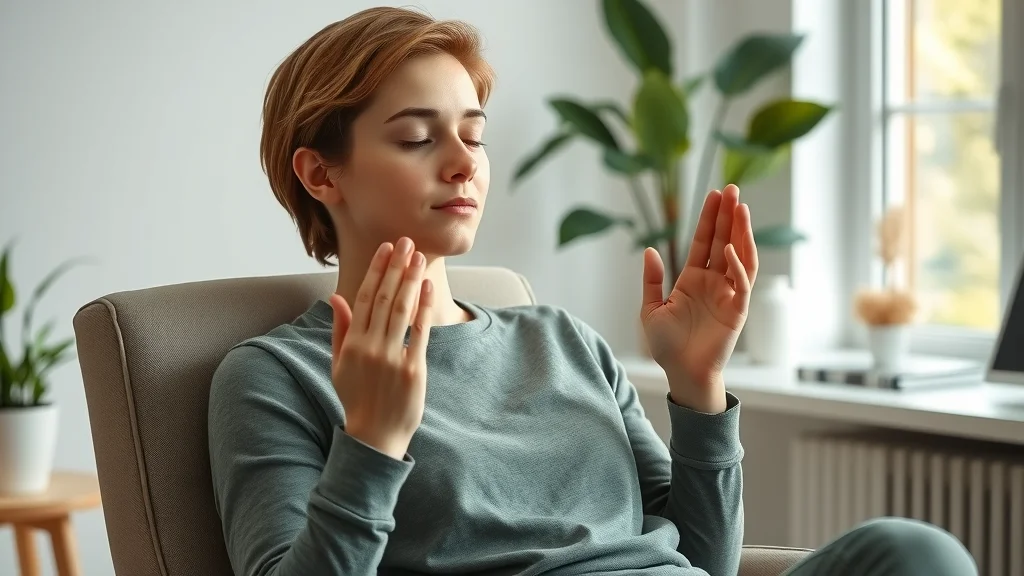
This method is especially beneficial for those who experience physical tension or muscle pain during anxiety. Medical professionals and behavioral health partners emphasize that progressive muscle relaxation is a highly portable tool—you can do it at your desk, in your car, or anywhere you need to regain a sense of calm.
People find progressive muscle relaxation increases awareness of bodily tension, helping them actively reduce it and create a sense of physical safety—an important step in reducing anxiety symptoms quickly.
Natural Approaches to Anxiety Relief Techniques
While quick interventions can provide powerful relief, long-term consistency is key for lasting change. Incorporating natural strategies—such as mindfulness, exercise, and nutrition—helps build resilience and prevents anxiety from overwhelming your daily life. Experts at MD Anderson and other behavioral health leaders recommend these as foundational habits for all ages.
These approaches don’t require specialized equipment or major lifestyle change. Instead, they weave seamlessly into your day, supporting both your mental health and overall wellbeing.
The Role of Mindfulness and Meditation
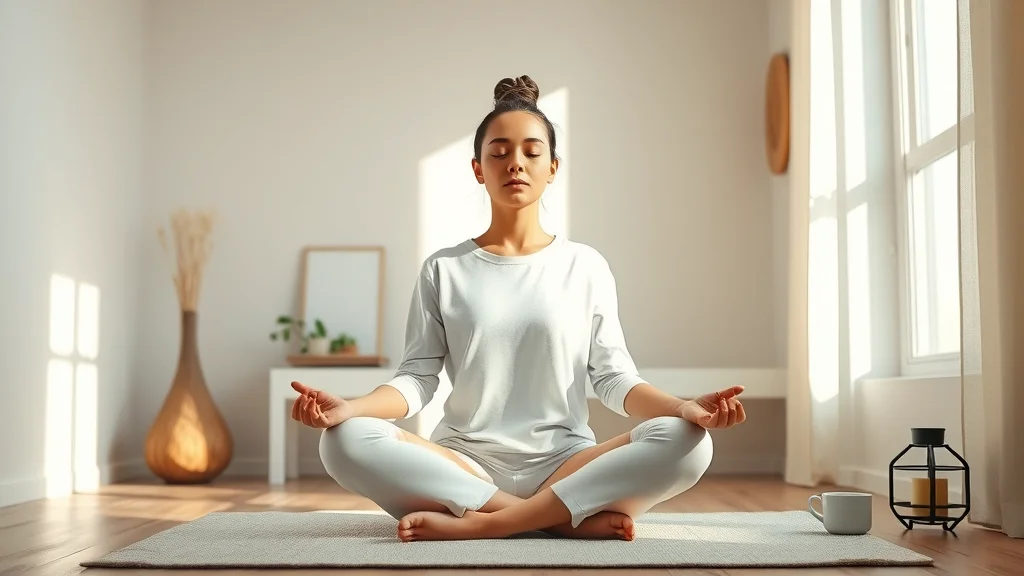
Mindfulness means paying attention, non-judgmentally, to the present moment. Practicing mindfulness—often through meditation—trains your brain to notice anxiety without letting it take control. Studies show that daily mindfulness reduces symptoms of excessive worry, helps prevent panic attacks, and boosts emotional regulation over time. Peer support networks and health professionals agree that meditation, even for just a few minutes daily, can deliver meaningful reductions in stress and anxiety disorder symptoms.
Audio guides, apps, or even a simple five-minute breath focus are accessible ways to begin. People find that mindfulness helps them ‘change the channel’ when emotions become intense, leading to greater peace and a stronger sense of self-control during stressful moments.
Physical Strategies: Exercise and Movement to Reduce Anxiety
- Simple exercises you can try even at work: Stand and stretch, walk briskly around your office, or do gentle chair yoga—these movements are proven to reduce muscle tension and boost your mood fast.
- Insights from mental health experts: Regular exercise not only releases endorphins but helps regulate heart rate and improves sleep, all key for long-term anxiety relief.
According to health partners and behavioral health professionals, movement is one of the fastest ways to break the cycle of fear or panic. Making music, dancing, or even pacing are also helpful options—anything that gets your body moving can trigger positive neurochemical changes and help you feel more in control.
Including physical activity in your daily routine is a simple yet powerful defense against both situational anxiety and panic attacks.
Nutrition and Hydration Tips for Mental Health
- Foods that support calmness and focus: Complex carbohydrates (like oats), lean proteins, fresh fruits, leafy greens, nuts, and fatty fish are all beneficial for steady energy and mood regulation.
- How hydration impacts panic attacks and anxiety relief: Even mild dehydration can worsen anxiety symptoms, so prioritize drinking water throughout the day—especially during stressful periods.

Diet and hydration play an underestimated, yet crucial, role in mental health and anxiety relief techniques. Studies from Baldwin Publishing and clinical social workers highlight that small changes in diet—more water, less caffeine, and nutrient-dense snacks—can help you feel less jittery, more grounded, and better equipped to manage anxiety at work or home.
Taking care of your body supports your mind. In moments when you feel anxious or scared, a quick glass of water or a wholesome snack can sometimes make all the difference.
When to Seek Help From a Medical Professional
While individual anxiety relief techniques are effective for most people, there are times when guidance from a trusted health professional is essential. If anxiety substantially interferes with daily life, persists despite self-help, or worsens into frequent panic attacks, professional support is the best option for lasting change and safety.
The support of a behavioral health team, peer support, or clinical social worker can help you identify deeper concerns and access more tailored interventions. Don’t hesitate to act early, as timely help can be life-changing.
Red Flags: When Anxiety Relief Techniques Aren’t Enough
Seek professional support if you notice persistent symptoms including: unmanageable worry every day, frequent panic attacks, suicidal thoughts, or the inability to complete basic tasks. If excessive worry or fear becomes your default state and nothing seems to help, expert intervention is a must.
According to health partners and MD Anderson, getting a diagnosis and developing a personalized plan is the safest path forward for those whose anxiety disrupts relationships, work, or physical health.
Finding Support: How to Choose a Trusted Medical Professional
Choosing help is a sign of strength. Ask for referrals from your general physician, family member, or a local behavioral health partner. Check for mental health professionals with experience in treating anxiety disorders and panic attacks. Read reviews, look for relevant accreditations, and ensure you feel comfortable with your provider’s approach. Telehealth options are increasingly available, making access to support even easier than before.
"Don’t hesitate to reach out for help if anxiety disrupts your daily life more than you can manage alone." — MD Anderson Mental Health Team
Table: Comparison of Top Anxiety Relief Techniques
| Technique | Time Needed | Suitable For | Supported By Experts |
|---|---|---|---|
| 3 3 3 Rule | 1-2 min | All ages | Yes |
| Deep Breathing | 2-5 min | All ages | Yes |
| Progressive Muscle Relaxation | 5-10 min | Adults, Teens | Yes |
| Mindfulness | 2-10 min | All ages | Yes |
| Quick Exercise | 5 min | Most adults | Yes |
Lists of Trusted Anxiety Relief Techniques Endorsed by Medical Professionals
- Practice the 3 3 3 Rule during anxious moments
- Use grounding to connect to your senses
- Try deep breathing daily to prevent panic attacks
- Incorporate regular physical activity
- Consult with a medical professional if needed
People Also Ask About Anxiety Relief Techniques
What is the 3 3 3 rule for anxiety?
The 3 3 3 rule is a grounding technique often recommended by medical professionals and behavioral health experts to help manage anxiety quickly. The process involves noticing and naming three things you can see, three things you can hear, and then moving three parts of your body. This technique brings your attention away from excessive worry and racing thoughts, anchoring you to the present moment. According to clinical social workers and studies at health partners like MD Anderson, it is highly effective during episodes of anxiety or panic attacks.
How can I calm my anxiety asap?
To calm anxiety fast, try slow, deep breathing—inhale for four counts, hold, and exhale for four. You can also practice grounding techniques or use the 3 3 3 rule. Progressive muscle relaxation and quick physical movement also help reduce heart rate and restore a sense of calm. Experts explain that these strategies not only interrupt fear or panic but also help you feel more in control almost instantly.
What are some coping skills for anxiety?
Effective coping skills include the 3 3 3 rule, grounding exercises, deep breathing, mindfulness meditation, and physical activity such as stretching or walking. Some people find that making music, talking with a peer support group, or using an audio guide also works. Incorporating these techniques consistently can prevent the buildup of excessive worry and help manage both general anxiety and panic attacks.
How to naturally relieve anxiety?
You can naturally relieve anxiety by practicing mindfulness, getting regular exercise, maintaining a healthy diet, and staying hydrated. Limit stimulants like caffeine and prioritize sleep. Establishing supportive routines—such as daily deep breathing, gratitude journaling, and regular peer support—can also increase resilience and make you feel more grounded.
Watch this short explainer video for real-life demonstrations of deep breathing, the 3 3 3 rule, and progressive muscle relaxation. See how simple actions, practiced by real people in everyday settings, can help you regain control and reduce anxiety on the spot.
Learn directly from medical professionals as they explain the science of panic attacks and showcase real-world anxiety relief tools that work, supported by years of clinical expertise.
FAQs on Anxiety Relief Techniques
-
Are anxiety relief techniques effective for all types of anxiety?
Most techniques help support anxiety relief regardless of type, but effectiveness may vary. If daily life remains disrupted, consult a medical professional for tailored care. -
Can these techniques help during a full-blown panic attack?
Yes, methods like deep breathing, grounding techniques, and the 3 3 3 rule are proven to de-escalate panic attacks and restore calm faster. -
Should I stop medication if these anxiety relief techniques work for me?
Never change or stop prescribed treatments without consulting your healthcare provider, even if relief techniques seem successful. -
How often should I practice these techniques?
Daily practice builds lasting resilience. Even a few minutes each day can make long-term anxiety relief techniques more effective when you need them most. -
Can children and teens use anxiety relief techniques?
Absolutely—most coping strategies are safe and appropriate for all ages. For ongoing or severe symptoms, involve a behavioral health professional.
Key Takeaways: Anxiety Relief Techniques You Can Use Anywhere
- Simple anxiety relief techniques deliver quick, meaningful results
- Consistent practice can reduce anxiety long term
- Be proactive about seeking support from a medical professional when necessary
Discover More Ways to Reduce Anxiety and Boost Your Mental Health
"Take control of your mental wellness—start incorporating these simple anxiety relief techniques, and consult a professional if you need additional support."
Take the first step today: Choose one new anxiety relief technique from this guide and practice it during your next stressful moment—your mental wellness is worth it!
If you’re ready to take your self-care journey even further, consider exploring holistic wellness routines that nurture both mind and body. From mindful rituals to natural beauty treatments, there are countless ways to create moments of calm and restoration in your daily life. For inspiration on how to incorporate soothing, hands-on practices into your routine, discover the benefits of DIY hair oil treatments that promote relaxation and self-nourishment. Embracing a comprehensive approach to wellness can empower you to manage stress more effectively and cultivate lasting resilience.


Write A Comment