

Did you know: Studies show that over 60% of adults report increased anxiety and stress levels in the last two years, yet as little as five minutes of simple breathwork exercises can significantly reduce anxiety symptoms and stabilize your heart rate. In a world where anxiety is seemingly everywhere, finding fast, reliable relief is critical—especially when it's as simple as learning how to breathe with intention. This guide will empower you to master breathwork for anxiety and regain control over your stress response, mental health, and daily wellbeing.
An Unexpected Solution: How Breathwork for Anxiety Outperforms Common Stress Relief Tools
When you think about reducing stress, meditation apps, long walks, or taking time off might come to mind first. But breathwork for anxiety is a surprisingly powerful solution that goes toe-to-toe with, and often outperforms, these more familiar tools. Unlike strategies requiring lots of time, privacy, or even waiting for an app to load, breathwork can be practiced anytime, anywhere—even in the midst of a panic attack—to calm your sympathetic nervous system, lower your heart rate, and bring instant relief. Research has revealed that dedicated breathing exercises, such as box breathing and alternate nostril breathing, can rapidly reduce anxiety and help return your mind and body to a state of calm.
What sets breathwork techniques apart is their direct influence on your nervous system. Where techniques like progressive muscle relaxation or guided imagery may require full mental engagement, conscious breathing taps directly into your body’s natural stress relief system. The act of taking a deep breath or practicing diaphragmatic breathing causes measurable changes in heart rate variability—one of the gold standard markers for stress level and resilience. For those battling anxiety symptoms or high stress, this makes breathwork not just a backup option, but a front-line defense.
Why Breathwork for Anxiety Matters More Than Ever
In an era of 24/7 connectivity and constant digital distractions, our bodies are often stuck in fight-or-flight mode, with elevated stress hormones and racing thoughts. This makes breathwork for anxiety not a luxury, but a necessity. With anxiety rates rising—and mental health challenges reaching unprecedented levels—access to a rapid, natural, and scientifically backed tool is more essential than ever. Modern science reinforces what yogic traditions have taught for centuries: Intentional breathing practices can quickly reset your nervous system, helping you regain control during stress or a panic attack.
Even healthcare providers are increasingly recommending breathing techniques and deep breathing exercises as a first line of support for patients dealing with stress and anxiety. With a low barrier to entry and evidence-based benefits, breathwork bridges the gap between ancient wisdom and cutting-edge neuroscience. Mastering these simple exercises can empower anyone—from overwhelmed students to busy professionals—to reduce stress and improve overall mental health.
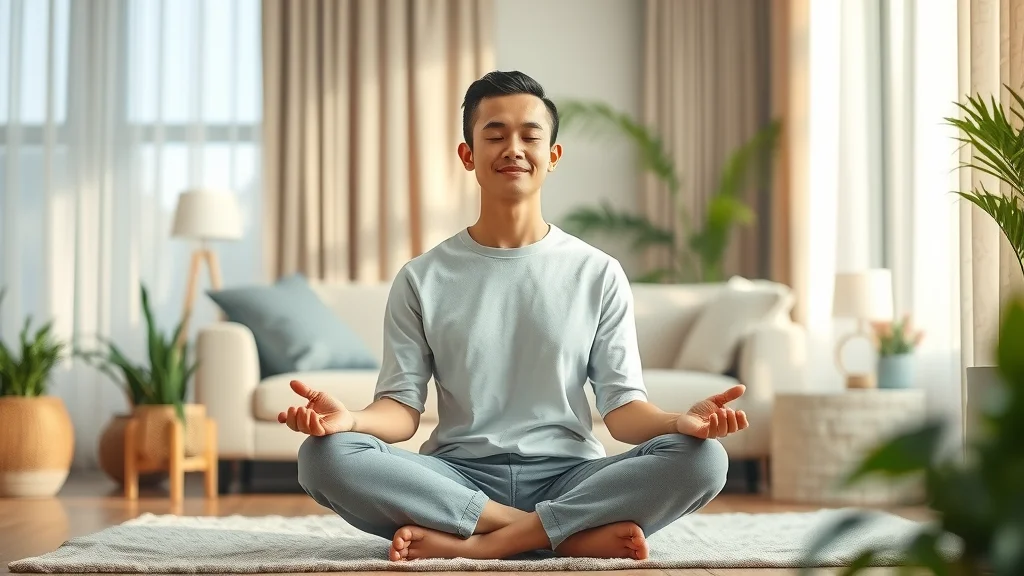
A Closer Look: Surprising Statistics on Breathwork, Breathing Exercises, and Mental Health
The impact of breathwork for anxiety shines through when you examine recent data. Studies indicate that practicing structured breathing exercises can lower stress hormones by as much as 35% after just one session. In a clinical review, participants who engaged in diaphragmatic breathing showed significantly higher heart rate variability—a strong indicator of improved stress resilience. Even short stints of deep breaths have been shown to reduce blood pressure and rapidly bring acute anxiety down during stressful moments.
Alarmingly, the World Health Organization reports that anxiety and depression rates have surged by over 25% globally in just the last three years. Against this backdrop, access to breathwork becomes even more powerful. With zero equipment required and minimal time investment, breathing exercises are both highly adaptable and accessible—vital advantages in today’s fast-paced, unpredictable world where managing stress and anxiety is a real challenge for so many.
For those interested in expanding their self-care toolkit, exploring natural wellness routines—such as nourishing your hair with homemade treatments—can complement the calming effects of breathwork. Discover how to nourish your hair naturally with DIY hair oil treatments for a holistic approach to wellbeing.
What You'll Learn in This Guide to Breathwork for Anxiety
- Understand the science behind breathwork for anxiety
- Learn step-by-step breathwork exercises and breathing techniques
- Discover how deep breathing and alternate nostril breathing can reduce stress and stabilize heart rate
- Gain tips for implementing breathing exercises in daily life
Understanding the Science: How Breathwork for Anxiety Influences Your Mind and Body
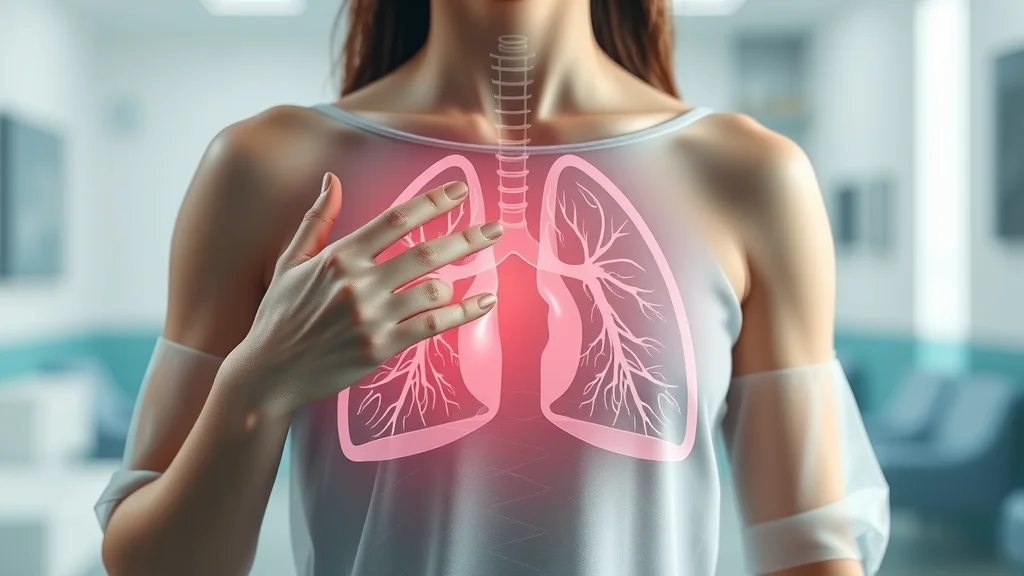
The Connection Between Deep Breaths, Heart Rate, and Anxiety
At the core of breathwork for anxiety is the relationship between your breathing patterns and your heart rate. When anxiety hits, your breathing often becomes rapid and shallow, which stimulates the sympathetic nervous system (your body’s fight-or-flight response). This leads to an increased heart rate and a cascade of stress reactions. By slowing down and focusing on deep breaths, you activate the parasympathetic nervous system, which signals safety, reduces heart rate, and brings a sense of calm back to the body. Numerous studies confirm that even just a few minutes of paced breathing can significantly improve heart rate variability and quickly help reduce stress.
Being able to consciously influence your heart rate—through something as simple as breathwork—empowers you to regain physical control during moments of anxiety. The next time you notice your chest tightening or your heart pounding, try a few slow, diaphragmatic breaths. This not only alleviates anxiety symptoms but serves as a real-time reset for both your mind and body, breaking the vicious cycle between anxious thoughts and physiological stress.
Diaphragmatic Breathing, Deep Breathing, and the Stress Response
Diaphragmatic breathing—sometimes called belly breathing—draws air deep into the lungs, fully engaging the diaphragm. Unlike shallow chest breathing—which can increase anxiety and perpetuate the stress response—this practice maximally activates the vagus nerve, slowing the heart rate and reducing blood pressure. By exaggerating the movement of your diaphragm, you communicate directly with your nervous system to switch off high alert and signal it’s time to relax.
Practicing deep breathing exercises regularly can help reset your baseline response to stress. Over time, people who use these techniques notice a lower overall stress level, improved sleep, and heightened emotional resilience. This makes breathwork more than just a quick fix—it’s a foundational tool for building long-term stress resilience and optimizing overall mental health.
Breathing Exercises and Brain Chemistry: A Data-Driven Look
Intentional breathing practices don’t just calm the body; they also influence critical chemicals in your brain. Research has shown that breathing techniques such as box breathing and alternate nostril breathing can increase levels of GABA (an inhibitory neurotransmitter that calms the brain), while reducing cortisol (the body’s primary stress hormone). This biochemical shift is why breathing exercises can enhance focus, boost mood, and alleviate anxiety and depression symptoms, often within minutes.
The effect of breathwork on brain chemistry highlights its unique therapeutic value. Unlike medication, which can take weeks to work—and often comes with side effects—breathwork for anxiety is instant, natural, and easy to integrate into any routine. Whether you’re looking to manage a panic attack or simply stay ahead of everyday stressors, evidence-based breathing exercises are a science-backed way to support mental health and emotional balance.
“Focusing on intentional breathing exercises has been shown to reduce stress and anxiety symptoms in as little as a few minutes.” – Clinical Psychologist
Types of Breathwork for Anxiety: Choose the Best Breathing Exercise for Your Needs
Box Breathing Techniques: Structured Deep Breaths to Quickly Reduce Stress
Box breathing is a simple, highly effective breathwork technique used by athletes, first responders, and military personnel to quickly regain composure during high-stress situations. Here’s the method: Breathe in through your nose for four counts, hold your breath for four counts, exhale slowly for four counts, and pause for four counts before the next inhale—creating a “box” pattern. This structure gives your mind a focus point, slows down the nervous system, and rapidly reduces stress by equalizing your oxygen and CO2 levels.
The controlled, rhythmic nature of box breathing helps break the cycle of rapid, anxious breathing that can propel a panic attack. Even just a few cycles can lead to noticeable physical and emotional relaxation. This technique can be practiced virtually anywhere—before public speaking, during test anxiety, or after a stressful conversation—making it a crucial tool for anyone looking to control their anxiety in real time.
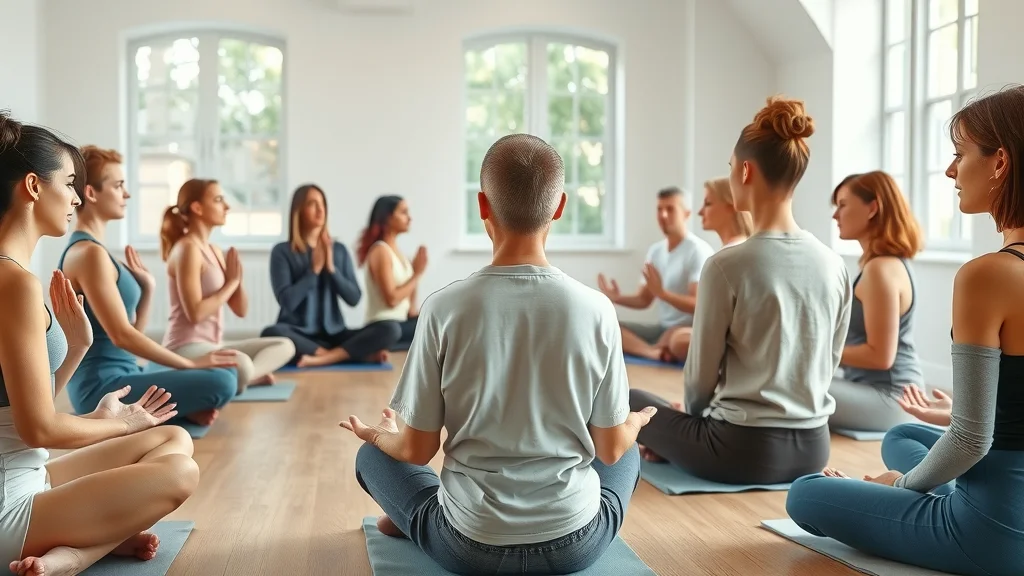
Alternate Nostril Breathing and Its Role in Calming Panic Attacks
Alternate nostril breathing, also known as nadi shodhana, is rooted in yogic practices and has been clinically recognized for its ability to balance nervous system activity and calm panic attacks. To practice, gently close one nostril with your thumb, inhale deeply through the other nostril, close it with your ring finger, and exhale through the opposite nostril. Alternate this pattern for several breaths. This technique synchronizes the left and right hemispheres of the brain, reduces heart rate, and directly impacts physiological stress responses.
For those who get stuck in loops of anxious thinking, alternate nostril breathing offers an immediate path back to balance. In moments of overwhelming emotion or rapid heartbeat, this technique can help override physiological panic. It’s both grounding and energizing—ideal for anyone seeking fast, natural anxiety relief without medication.
Yogic Breath and Traditional Breathing Techniques for Anxiety Management
Traditional yogic breathing techniques—like ujjayi breath or the “ocean breath”—are designed to promote mindful awareness and induce deep relaxation. These ancient breathing practices are integral to yoga and meditation, but can easily stand alone when you need to calm your mind. By lengthening your exhale and gently constricting the back of the throat, yogic breath trigers the relaxation response, lowers blood pressure, and decreases anxiety symptoms rapidly.
Incorporating yogic breath into your daily routine provides a powerful and proven strategy to reduce anxiety and boost heart rate variability. Whether you’re new to breathwork or a seasoned yogi, traditional breathing exercises are a reliable way to manage stress—supported by both tradition and contemporary research.
| Technique | How It Works | Main Benefits |
|---|---|---|
| Box Breathing | Inhale, hold, exhale, and pause for equal counts of four | Rapid stress relief, heart rate reduction, enhanced focus |
| Alternate Nostril Breathing (Nadi Shodhana) | Switch breaths between nostrils using thumb/ring finger | Balances nervous system, calms panic attacks, boosts focus |
| Diaphragmatic (Belly) Breathing | Full inhale through belly and lower lungs | Decreases anxiety, lowers blood pressure, increases oxygenation |
| Yogic Ujjayi Breath | Breath through nose, gentle throat contraction, audible “ocean” sound | Deep relaxation, emotional stability, mindfulness |
Step-by-Step Guide: Effective Breathwork for Anxiety Routines
How to Practice Diaphragmatic Breathing

Begin by lying on your back or sitting comfortably. Place one hand on your chest and the other on your abdomen. As you slowly inhale through your nose, feel your belly gently rise while your chest remains relatively still. This signals that you are using your diaphragm rather than shallow chest muscles. Exhale slowly through pursed lips, feeling your abdomen fall. Repeat this process for several breaths, maintaining a relaxed, rhythmic pace.
Practicing diaphragmatic breathing for about five to ten minutes each day can help train your body to default to healthier, calming breath patterns even during stressful moments. Remember, the goal is to let your breath guide you into a state of calm and ease—reminding your nervous system that you are safe and in control.
Box Breathing: Instructions for a Calmer Body and Mind
To begin, sit upright with your feet flat on the floor and hands resting comfortably in your lap. Close your eyes if comfortable, or soften your gaze. Inhale slowly through your nose for a count of four. Hold your breath at the top for another count of four. Exhale evenly through your mouth or nose for four counts. Pause, keeping your lungs empty, for a final count of four. That completes one cycle—repeat this for up to five minutes, or until you feel calmer.
If your mind wanders, gently bring your attention back to counting. Box breathing is particularly useful before anxiety-inducing situations like interviews, presentations, or exams—giving you a focused yet simple way to regain composure.
Deep Breathing Exercises to Calm a Rapid Heart Rate

For those moments when anxiety sends your heart racing, deep breathing offers instant support. Sit or stand comfortably and place a hand on your heart. Inhale gently through your nose for five to seven seconds, feeling both your chest and belly expand. Pause briefly at the top of your inhale, then exhale slowly and completely through your mouth, taking five to seven seconds. Repeat this at least five times—each breath further slows your heart rate and brings more oxygen to your brain.
This exercise not only helps stabilize your cardiovascular response during anxiety surges, but also signals your mind to release the urgency and tension often associated with panic attacks. Over time, your body learns to equate deep breathing with safety and calm.
Alternate Nostril Breathing: A Stepwise Tutorial for Anxiety Relief
Begin by sitting comfortably, spine straight but relaxed. Using your right hand, gently place your thumb on your right nostril and inhale deeply through the left. Close your left nostril with your ring finger, release the right nostril, and exhale through it. Inhale again through the right nostril, close it, and exhale through the left. That’s one complete round. Continue for five to ten rounds, maintaining a slow, steady breath and gentle hand pressure.
Alternate nostril breathing can be particularly beneficial first thing in the morning or before sleep, supporting both mental clarity and emotional stability. Remember, if you experience any dizziness, pause and return to simple deep breathing until you feel ready to continue.
“Even brief sessions of deep breathing exercises can support mental clarity and emotional resilience.” – Wellness Coach
When and How Often to Use Breathwork for Anxiety
Daily Routines: Integrating Breathing Exercises Into Everyday Life

The real power of breathwork for anxiety lies in its flexibility—it can fit effortlessly into your daily routine. Start your morning with a few rounds of deep breathing, use box breathing during a midday slump at work, and turn to diaphragmatic breathing before bed to promote restful sleep. Try “habit stacking”—pairing a breathwork technique with an existing habit, like boiling water for tea or waiting at a red light.
Consistency is more important than duration. Just three to five minutes of breathwork, two to three times a day, can significantly reduce baseline stress level and bolster your mental health over time. Many people also find benefits from setting reminders or using breathing apps for structured support, ensuring that these simple techniques become second nature.
How Breathwork for Anxiety Can Help During Work, Study, or Commutes
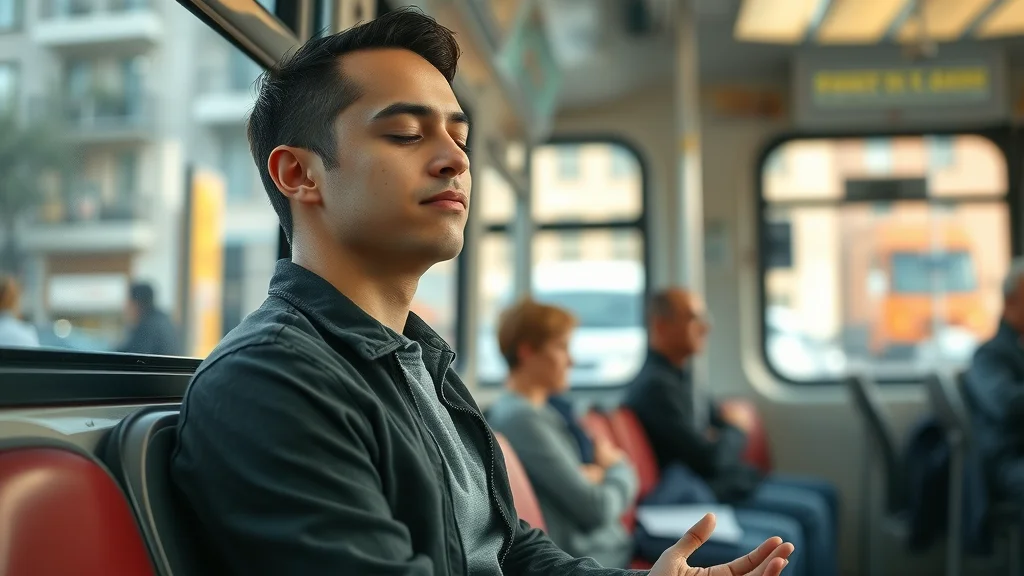
Don’t overlook micro-moments throughout your day: waiting in line, during a long commute, or before a stressful meeting are all perfect opportunities for breathwork. On public transit, try subtle deep breaths or alternate nostril breathing (if you feel comfortable). While studying or working, designate a short break every hour for a one-minute box breathing session—this not only lowers stress but enhances focus and productivity by quickly resetting your nervous system.
By weaving breathing techniques into everyday activities, you transform “dead” time into moments of healing and renewal. The cumulative effect is powerful: less feeling overwhelmed, more feeling grounded and in control—no matter where life takes you.
Using Breathwork for Anxiety in the Midst of a Panic Attack
When panic strikes, it often feels like your mind and body are spiraling out of control. Rapid, shallow breathing compounds your symptoms, but intentionally slowing your breath can break the cycle. Focus first on making each exhale longer than the inhale (e. g. , inhale for four counts, exhale for six). If possible, practice box breathing or alternate nostril breathing to forcibly slow your heart rate and shift your nervous system back toward balance.
Keep your focus on the rhythm of your breath, using the counting as an anchor. Even if you can only manage a few cycles, each intentional breath creates a “pause” in the anxiety—helping you ride out the wave of symptoms until calm returns. Practice these techniques in low-stress settings first, so they’ll be more accessible and familiar when you need them most.
Troubleshooting: Common Challenges with Breathwork for Anxiety
- Addressing Shallow Breathing and Quick Fixes: If you catch yourself breathing rapidly or only in your chest, try a slow count-inhale and focus on making your belly rise. Place a hand over your stomach for tactile feedback until diaphragmatic breathing becomes second nature.
- What to Do if Deep Breaths Cause Dizziness: Dizziness can occur if you breathe too forcefully or hyperventilate. Return to normal breathing, sit down, and practice slower, more gentle breaths through your nose. Start with shorter sessions and gradually increase as comfort improves.
- How to Stay Consistent with Breathing Techniques: Set daily reminders, use a breathing app, or “anchor” breathwork to a daily routine (like morning coffee or post-lunch breaks) to help it become a permanent, effortless habit.
Expert Strategies: Enhancing the Effects of Breathwork for Anxiety
- Pairing Breathwork For Anxiety with Mindfulness: Practice non-judgmental awareness of your thoughts and sensations as you breathe for even deeper calm.
- Combining Deep Breathing with Movement and Gentle Exercise: Sync breathwork with yoga, stretching, or walking to enhance the relaxation response and release stored tension.
- Setting Up a Calming Environment for Breathing Exercises: Dim lights, reduce background noise, and add soothing scents or soft music to deepen your breathwork experience and reinforce safety for your nervous system.
Frequently Asked Questions About Breathwork for Anxiety
Can breathwork heal anxiety?
While breathwork for anxiety won't “cure” every root cause, numerous studies and anecdotal evidence demonstrate it can significantly reduce anxiety symptoms for most people. When practiced regularly, breathing exercises can help regulate your heart rate, calm your nervous system, and foster resilience to daily stressors. For those with chronic or severe anxiety, breathwork is most effective as part of a broader treatment plan—alongside therapy, medication, or lifestyle changes as needed.
What is the 3 3 3 rule for anxiety?
The “3-3-3 rule” is a simple grounding technique for managing anxiety in the moment. Look around and name three things you see, then identify three sounds you hear, and finally, move three parts of your body (like stretching your arms, neck, or tapping your feet). This practice shifts focus away from anxious thoughts, anchors you in the present, and complements breathwork techniques for quick anxiety relief.
What calms nerves quickly?
Slowing your breath is among the fastest ways to calm nerves, reduce heart rate, and restore balance. Techniques such as box breathing, alternate nostril breathing, and even a few focused deep breaths can quickly lower stress and bring you back to a state of calm. Other tools—like mindfulness, cold water on your face, or light exercise—can enhance this effect, especially when paired with intentional breathwork.
What is the 444 rule for breathing?
The “444 rule” (a variant of box breathing) involves inhaling for four counts, holding the breath for four counts, and exhaling for four counts. This straightforward pattern slows down breathing, helps reduce anxiety, and is easy to remember for use in stressful situations or panic attacks.
Key Takeaways: Powerful Breathwork for Anxiety Techniques to Reduce Stress Fast
Breathwork for anxiety is a fast, evidence-backed solution to lower stress, improve heart rate variability, and regain control during anxious moments or panic attacks. Consistent practice with techniques like box breathing, diaphragmatic breathing, and alternate nostril breathing can improve your overall mental health and daily resilience.
Take Control of Anxiety: Try Our Expert-Recommended Breathwork Exercises Today
Ready to reduce anxiety and reset your mind and body in minutes? Master these easy breathwork techniques—and make breathing exercises part of your daily routine—for a calmer, healthier you. Start now, breathe deeply, and reclaim your sense of peace.
If you’re inspired to continue your journey toward holistic wellness, consider how small, natural rituals can make a big difference in your daily life. Beyond breathwork, nurturing your body with mindful self-care—like creating your own nourishing hair oil blends—can be both soothing and empowering. Explore the benefits of DIY hair oil treatments for natural hair nourishment and discover new ways to elevate your self-care routine. Each intentional act, whether for your mind or body, brings you closer to a more balanced, resilient, and vibrant you.


Write A Comment