

Did you know that people spend nearly 47% of their waking hours thinking about something other than what they’re doing? In our hyperconnected and distracted world, this single fact hints at why mindfulness balance is no longer just a wellness trend—it’s an essential foundation for sustainable well-being
Unlocking Mindfulness Balance: Why It Matters in a Distracted World
In an age of constant notifications, endless scrolling, and rapidly shifting priorities, finding true balance and presence can feel impossible. The modern world bombards us with stimuli that fragment our attention and pull us away from the present moment. Mindfulness balance offers a powerful antidote—it’s the intentional act of turning your focus back to now, observing your thoughts without judgment, and grounding yourself amidst life’s swirling demands.
Pioneers like Jon Kabat-Zinn have shown that cultivating this kind of mindful awareness has practical, science-backed benefits for our mental and physical health. Beginners and seasoned practitioners alike report reduced stress, improved mood, and a more compassionate attitude toward themselves. Whether you’re dealing with work overload, relationship strains, or simply want to experience life more fully, the path of mindfulness practice can make a profound difference. You’ll discover not just how to cope, but how to thrive—moment by moment.
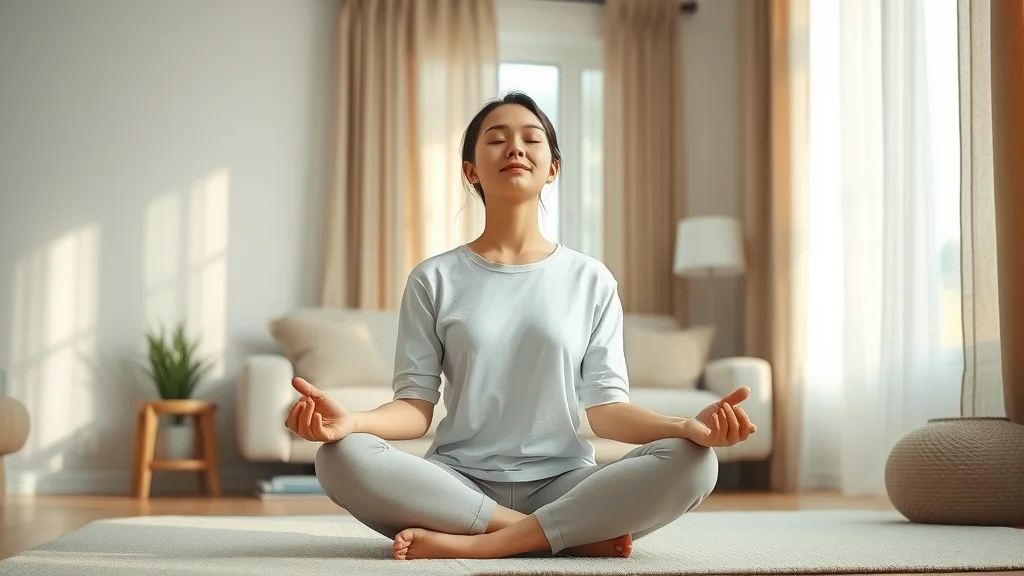
A Surprising Statistic on Modern Life and Mindfulness Balance
"Research shows that people spend nearly 47% of their waking hours thinking about something other than what they're doing, making mindfulness balance crucial for wellbeing."
What You’ll Learn in This Beginner’s Guide to Mindfulness Balance
- Fundamental concepts behind mindfulness balance
- Simple mindfulness practice routines
- How to implement mindfulness meditation for stress reduction
- Expert perspective on the benefits of mindful living
- Tips for overcoming common barriers to mindfulness training
Defining Mindfulness Balance: Foundations and Misconceptions
Understanding Mindfulness Balance Versus Mindfulness Meditation
It’s common to use the terms mindfulness balance and mindfulness meditation interchangeably, but they’re not quite the same. Mindfulness meditation often refers to structured practices like breath awareness, body scan, or guided sessions where you intentionally set aside time—often just minutes each day—to observe your internal and external experiences. However, mindfulness balance extends beyond meditation. It’s an ongoing state—a way of bringing awareness to the present moment through all your activities, helping you respond rather than react to the ups and downs of daily life. Practicing mindfulness means you can bring your attention back to awareness anytime you notice your mind wander, whether you’re washing dishes, talking with a friend, or walking to work.
This distinction is important because beginners sometimes think mindfulness is only achieved on a cushion or in silence. The truth is, the real magic of mindfulness balance lies in its power to spill over into every aspect of your routine, transforming everyday moments into opportunities for calm, focus, and authentic connection.

Common Myths About Mindfulness Practice
A common misconception about mindfulness practice is that it’s about emptying your mind or shutting off all thoughts. In reality, the goal is not to stop your mind from wandering but to notice when it happens and gently bring your attention back. As Dr. Jane Doe, a renowned mindfulness expert, aptly states:
"Mindfulness balance is not about emptying your mind—it’s about turning towards your thoughts and feelings with awareness and acceptance." — Dr. Jane Doe, Mindfulness Expert
Another myth is that mindfulness meditation requires hours each day, or a perfectly still mind, to experience benefits. Science shows that even short, consistent sessions—just a few minutes each day—can create positive shifts in focus, emotional regulation, and overall wellbeing. The real challenge isn’t complexity; it’s simply starting and building a habit. Remember, mindful living is accessible to everyone, regardless of prior experience, and does not require any special beliefs or spiritual background.
The Benefits of Mindfulness Balance: From Stress Reduction to Enhanced Wellbeing
Physical and Mental Benefits of Mindfulness
The science behind the benefits of mindfulness balance is robust and impressive. Regular practice has been shown to create positive shifts in both mind and body. Here are just a few benefits experienced by those who commit to daily practice:
- Stress reduction: Mindfulness-based stress reduction techniques help regulate the body’s response to stress, lower cortisol levels, and promote a sense of calm.
- Improved focus: Practicing mindfulness improves your ability to bring your attention back to the task at hand, counteracting the distractions of modern life.
- Emotional regulation: Mindful awareness helps you observe your thoughts and feelings—especially difficult emotions—without judgment, promoting resilience and emotional balance.
For many, these are just the beginning. Some studies suggest mindfulness practice supports better immune function, lower blood pressure, improved sleep, and even pain reduction. Importantly, the benefits of mindful living are cumulative: the more consistently you practice, the more dramatic the impact on daily life and long-term wellbeing.
As you explore the benefits of mindfulness, you might also be interested in practical self-care routines that complement your mental wellbeing. For example, nourishing your body with natural treatments—like a DIY hair oil treatment—can be a mindful ritual in itself, supporting both relaxation and holistic health.

How Mindfulness Practice Influences Wellbeing
Mindfulness doesn’t just make you feel better—it transforms how you experience your entire life. By grounding you in the present moment, mindfulness balance enables you to notice positive moments, savor pleasure, and respond to difficulties with greater wisdom. Whether it’s the ability to reduce stress at work, enjoy mindful eating with loved ones, or calm your mind before sleep, consistent mindfulness training shapes your relationship with each experience. As one practitioner puts it:
"A consistent mindfulness meditation routine can dramatically improve quality of life for beginners and seasoned practitioners alike."
Over time, mindful living can lead to deeper self-acceptance, stronger relationships, and a more compassionate view of yourself and others. The ripple effect of one simple practice—bringing awareness to the breath or attention back to the present—can be truly transformative when it becomes part of your daily routine.
Mindfulness Meditation for Beginners: A Step-by-Step Guide
Establishing a Mindfulness Meditation Space
Creating a dedicated meditation corner isn’t required, but it will help you build a sustainable mindfulness routine. Choose a small, uncluttered area of your home where you feel comfortable and free from distractions. A soft cushion or chair, a potted plant, and gentle lighting can set a calming mood. The most important ingredient is intention: when you step into this space, let it be a signal to tune in, release external worries, and focus on the present moment. Over time, just entering this mindfulness meditation space can trigger feelings of calm and readiness to practice.
If you live with others, communicate your intent and ask for a few minutes each day of uninterrupted time. A dedicated mindfulness space, however small, sends an important message to your mind: “This time is for me, for balance, and for my wellbeing.” Over weeks and months, this practice will deepen your commitment to mindful living and help solidify mindfulness balance as part of your daily life.

Simple Mindfulness Practice Techniques
If you’re just starting out, try one of these simple, accessible techniques:
- Mindful breathing: Sit or lie down comfortably. Close your eyes and bring your attention to the sensation of your breath entering and leaving your body. When your mind wanders—and it will—gently notice this, and return your attention back to your breath. This practice can reduce stress and increase focus in just minutes each day.
- Body scan: A foundational practice popularized by Jon Kabat-Zinn’s Mindfulness-Based Stress Reduction (MBSR), the body scan invites you to systematically bring awareness to different parts of your body. Start at your toes and move upwards, noticing any sensations—warmth, tingling, or tension—as you go. This is a powerful way to reconnect with bodily sensations and release tension.
- Awareness of thoughts: Rather than trying to silence your thoughts, the practice is to observe them as they arise, acknowledging their presence and gently letting them go, always bringing your focus back to the here and now.
Commit to even 5–10 minutes each day, and you’ll start to notice subtle shifts in your stress levels, focus, and outlook.
Guided Body Scan for Mindfulness Balance
A body scan meditation is a powerful way to ground yourself in the present and become aware of both internal and external experiences. Here’s a short guide to get you started:
- Find a quiet, comfortable spot to sit or lie down. Close your eyes if you feel safe to do so.
- Start by noticing your breath, feeling the air moving in and out naturally.
- Bring your attention to your feet. Notice any sensations—contact, pressure, warmth, tingling. If your mind wanders, gently bring your attention back to awareness of your feet.
- Slowly move your focus up: to your calves, knees, thighs, hips, torso, shoulders, arms, hands, neck, and face. At each step, simply notice sensations without trying to change them.
- When finished, recall the whole body as a field of sensation in the present moment before gently opening your eyes.
This type of mindfulness meditation is a cornerstone of stress reduction programs and can be practiced in just a few minutes each day, offering a reset for your body and mind.
When and How Often to Practice Mindfulness Balance
Consistency is the secret to lasting change. For beginners, starting with minutes each day—even just five—is enough to begin rewiring your brain for focus, calm, and resilience. Most practitioners find that early mornings or quiet evenings are ideal, but you can fit mindfulness into any part of your daily life. What matters most is showing up for yourself with an open, nonjudgmental attitude. Over time, you’ll feel more comfortable taking mindful pauses throughout the day, bringing your attention back whenever you notice your mind wander. As mindfulness becomes more integrated, you may experiment with longer sessions or different techniques, deepening your sense of balance and well-being.
Remember: missing a day or finding it difficult is normal. The goal is not perfection—but a sustained commitment to kindness, self-awareness, and caring for your mind. Over time, the benefits of mindfulness become self-reinforcing, motivating you to continue.
Mindful Eating and Daily Mindfulness Practice
Mindful Eating: Bringing Mindfulness Balance to Meals
Mindful eating is one of the most practical and enjoyable ways to integrate mindfulness balance into your real life. Rather than eating on autopilot or while distracted by screens, take a moment to look at your food, notice its colors and aromas, and reflect on the effort it took to bring these ingredients to your plate. As you chew, really savor the flavors, textures, and sensations. If your mind wanders or you find yourself rushing, gently guide your attention back to the act of eating. This simple practice not only enhances your appreciation for food but also naturally supports better digestion, healthier choices, and a more balanced relationship with hunger and fullness. By making small, present-focused changes to your meals, you create space for gratitude and nourishment beyond what’s on your plate.

Everyday Mindfulness Practice Beyond Meditation
Mindfulness isn’t limited to formal meditation—it thrives in everyday actions. Here are simple ways to practice mindful awareness throughout your routine:
- Mindful walking: Take a walk without distractions. Feel each step, notice how your body moves, and bring your awareness to the sights, sounds, and scents in your environment. If your mind wanders, gently bring your attention back to the present experience.
- Mindful listening: Next time you’re speaking with a friend or colleague, focus all your attention on their words, tone, and body language. Resist the urge to formulate a response or check your email address—just listen and be present.
- Pausing for mindful breaths: Whether you’re at work, in traffic, or about to eat, pause and take three slow, intentional breaths. Recognize how this small act grounds you, making it easier to handle whatever comes next.
Embedding just a few of these ways to practice mindfulness in your day can yield outsized returns for mental clarity, emotional regulation, and overall wellbeing.

Mindfulness Training: Building Consistency and Overcoming Challenges
Common Obstacles with Mindfulness Training
While the benefits of mindfulness are well established, sticking with a mindfulness training routine can feel challenging. The most frequent obstacles include time constraints, physical discomfort, boredom, frustration when the mind wanders, and doubts about doing the practice “correctly.” Distractions—from digital devices to household noise—can make it seem nearly impossible to stay present. And yet, these very obstacles are opportunities. Each time you notice your mind has wandered, you’re building the muscle of awareness. Over time, moments of presence will grow and mindfulness will become more natural, even in stressful situations or busy daily life. Remember, every practitioner—no matter how experienced—must bring their attention back, again and again. The practice lies in returning, not perfection.
Many beginners benefit from group sessions, guided meditations, or mindfulness apps. The support and motivation from others on the same journey can make it easier to sustain mindfulness balance over time. Don’t be discouraged by setbacks; instead, view them as evidence that mindfulness is, in fact, always available, no matter how often you need to start over.

Expert Tips to Sustain Mindfulness Balance Over Time
If you’re looking for ways to make mindfulness part of your lifestyle, try these evidence-based tips:
- Start small and be consistent: Focus on just a few minutes each day. Set reminders or pair mindfulness practice with daily habits (like brushing teeth or morning coffee).
- Forgive setbacks and begin again: Each time you bring your attention back to awareness after distraction, you’re strengthening your mindfulness muscle.
- Switch up your techniques: Try body scan, mindful breathing, or mindful eating to keep practice engaging and address current needs.
- Seek community: Join mindfulness groups in-person or online, or invite a friend for accountability. Even a weekly check-in can increase your commitment and enjoyment.
- Reflect on your progress: Journal about your experiences, tracking moments of presence and noting how mindfulness has influenced your stress, mood, or relationships. This can make benefits more tangible and fuel motivation to continue.
Remember: mindfulness balance is a lifelong journey, and every moment offers a chance to begin again with greater self-compassion and presence.
| Wellness Habit | Key Benefit | Long-Term Impact |
|---|---|---|
| Mindfulness Meditation | Reduces stress, improves focus, emotional regulation | Deeper self-acceptance, resilience, mental clarity |
| Walking/Exercise | Boosts mood, improves physical health | Increased energy, physical wellbeing |
| Healthy Eating | Supports bodily health, weight balance | Improved digestion, disease prevention |
| Gratitude Journaling | Enhances positivity, reduces negative thinking | Sustained optimism, stronger relationships |
Stories of Transformation: The Impact of Mindfulness Balance
Real People, Real Benefits of Mindful Living
The true power of mindfulness balance shines brightest in everyday stories from real people. Consider the journey of Sara, who began practicing mindfulness meditation during a time of overwhelming anxiety. By simply setting aside ten minutes each morning for body scan meditation, she gradually noticed fewer racing thoughts, steadier emotions, and a stronger sense of control over her reactions. Another beginner, Jamal, found that mindful eating helped him reconnect with the present moment, reducing stress-eating and enhancing his appreciation for both food and shared meals. These transformations aren’t limited to isolated success stories—they’re grounded in research showing that mindfulness has been shown to improve quality of life for people of all backgrounds.
When mindful living becomes part of your daily routine—from mindful breathing during morning commutes, to pausing for awareness before responding in conflict—the benefits of mindful awareness multiply. As one reader shares:
"Mindfulness balance helped me manage anxiety and feel grounded during everyday challenges." – Reader Submission
No matter your starting point, anyone can experience a positive impact from practicing mindfulness. Each small step—a breath, a pause, a moment of noticing—can reshape your emotional landscape and create a path toward greater personal and interpersonal harmony.

People Also Ask: Addressing the Pillars of Mindfulness Balance
What are the 5 basics of mindfulness?
Answer: The 5 basics of mindfulness are observing, describing, acting with awareness, non-judging, and non-reactivity – all crucial in building mindfulness balance.
What are the 7 principles of mindfulness?
Answer: The 7 principles are non-judging, patience, beginner’s mind, trust, non-striving, acceptance, and letting go – essential components of sustainable mindfulness balance.
What are the 3 C's of mindfulness?
Answer: Curiosity, Compassion, and Courage—these 3 C’s support effective mindfulness practice and deepen mindfulness balance.
What is the practice of mindfulness and balance?
Answer: Practicing mindfulness and balance involves bringing full awareness to the present moment and responding to life’s ups and downs with grounded composure.
Frequently Asked Questions About Mindfulness Balance
How long does it take to notice the benefits of mindfulness practice?
Many beginners report feeling calmer and less stressed after just a few sessions of mindfulness practice, while deeper benefits—such as improved emotional regulation and persistent focus—may become more apparent after several weeks of regular routine. The key is daily consistency rather than duration, with just minutes each day yielding results.
Can mindfulness balance help with chronic stress?
Yes, numerous scientific studies show that mindfulness balance and related mindfulness training techniques can help reduce chronic stress. By learning to bring your attention back to the present, you become less reactive and better equipped to handle persistent pressures. This approach forms the foundation of many evidence-based stress reduction programs.
Are there quick mindfulness meditation exercises for busy beginners?
Absolutely! Even 2–5 minutes of mindful breathing, body scan, or pausing for awareness before meals can have a noticeable impact. These brief practices help reset your mind and body throughout the day, making mindfulness accessible to even the busiest schedules. Try incorporating them during natural breaks, like morning routines or commutes.
How do I know if I’m making progress in mindfulness balance?
Signs of progress include noticing your mind wander less often, feeling more present in daily tasks, responding calmly to stress, and recovering more quickly from distraction. Journaling about your experiences or reflecting on changes in your mood and daily life is a helpful way to recognize and celebrate growth.
Key Takeaways: Implementing Mindfulness Balance in Daily Life
- Start with small, consistent mindfulness practice routines
- Integrate mindfulness balance in daily tasks
- Revisit this guide anytime you need ongoing support
Ready to Experience Mindfulness Balance? Start Your Practice Today!
Mindfulness balance is within your reach—begin today with a small, simple step, and open yourself to lasting wellbeing.
If you’re inspired to continue your journey toward holistic wellness, consider exploring other mindful self-care rituals that nurture both body and mind. Incorporating natural routines—such as creating your own nourishing hair oil blends—can transform everyday moments into opportunities for relaxation and self-connection. For more ideas on how to elevate your self-care practice and bring mindfulness into every aspect of your life, discover the benefits of DIY hair oil treatments and see how small, intentional acts can support your overall wellbeing.




Write A Comment