

Did you know that up to 80% of adults report feeling stressed each day, with nearly half searching for natural solutions? With stress and anxiety at historic highs, more people than ever are seeking out herbal stress remedies instead of—or in addition to—conventional medicines. This guide explores the safest and most effective natural remedies for calming your mind and supporting your overall mental health.
Uncovering Herbal Stress Remedies: Surprising Statistics and Facts
Herbal remedies are more than ancient tradition—they are surging in popularity, backed by a growing body of scientific research. According to the National Center for Complementary and Integrative Health, over 30% of Americans now turn to herbal medicine for relief from stress and anxiety. In recent years, clinical trials have demonstrated how specific herbs like valerian root, lemon balm, and chamomile impact sleep quality, balance nervous system activity, and reduce stress hormone cortisol levels.
Studies show that around 60% of adults dealing with anxiety-related disorders have tried a natural remedy for support, with essential oils gaining attention for their calming effects. As interest grows, so does the evidence: real-world results combined with centuries of herbal medicine wisdom are transforming how we manage mental health in modern life.

What You'll Learn About Herbal Stress Remedies
The science behind herbal remedies and their impact on stress and anxiety
Common herbal stress remedies including valerian root, lemon balm, and German chamomile
How to safely choose and use natural remedies for mental health
Answers to top questions about herbal medicine for stress
Watch our introductory video below to get a quick overview of herbal stress remedies and how they may fit into your daily routine:
Understanding Stress and Anxiety: Why Herbal Stress Remedies Matter
The effects of stress and anxiety touch every aspect of modern life, from sleep quality to overall mental health. Chronic stress not only leads to emotional strain but contributes to various health conditions, including heart disease, digestive problems, and reduced immune function. Many traditional medications for anxiety disorders and related conditions come with side effects like drowsiness or dependency, leading individuals to explore herbal remedies as a natural alternative.
Herbal stress remedies offer the potential for measurable support, especially for those sensitive to the side effects associated with conventional drugs. With a long history in traditional medicine and growing clinical evidence, herbs like valerian root, lemon balm, and German chamomile are now being recognized for their ability to calm the nervous system and support overall well-being. Integrating these natural remedies into your lifestyle could be a crucial step in achieving a balanced mind and body.

The Science of Herbal Stress Remedies: How They Work
Emerging research highlights that herbal remedies influence the nervous system through complex mechanisms. Herbs like valerian root and chamomile exert a calming effect by interacting with GABA receptors, the brain’s natural calming pathways. Lemon balm, meanwhile, may reduce the stress hormone cortisol and promote relaxation, as several clinical trials suggest. Essential oils such as those from lavender provide relief for anxiety and depression when inhaled or applied topically, engaging both physiological and psychological processes.
“Herbal remedies offer a promising alternative for managing stress and anxiety disorders, especially for those sensitive to conventional medications.”
– Dr. Simone Ray, PhD, Herbal Medicine Researcher
The efficacy and safety of most herbal remedies are being increasingly studied, but it’s important to note that proper dosage and usage are essential for optimal benefits. As natural remedies gain recognition, consumers should choose evidence-based herbal medicine, consult with healthcare professionals, and stay informed about the latest developments in the field.
For those interested in expanding their natural wellness toolkit, exploring other plant-based self-care rituals can be highly beneficial. For example, nourishing your hair with a DIY oil treatment is another way to incorporate holistic, herbal approaches into your daily routine—discover step-by-step guidance in this guide to creating your own hair oil treatments.
Top 7 Herbal Stress Remedies for Anxiety and Mental Health
Valerian Root – Effects on sleep quality, stress and anxiety
Lemon Balm – Its role in mental health and anxiety disorders
German Chamomile – Calming benefits and peer-reviewed effectiveness
Lavender Essential Oil – Top clinical trial results for anxiety and depression
Ashwagandha – Adaptogen use for chronic stress and health conditions
Passionflower – Efficacy in herbal medicine for mental health
Rhodiola Rosea – Clinical benefits for stress resilience
Each of these herbal stress remedies offers unique benefits. Many have shown, through robust clinical trials, measurable improvements in stress reduction and mental health. For instance, valerian root is celebrated not only for its long history in herbal medicine but also for scientific backing that confirms its effects on improving sleep quality. Lemon balm and chamomile support the nervous system with minimal side effects, while lavender essential oil stands out in studies for its impact on anxiety and depression. Adaptogens like ashwagandha and rhodiola add a layer of stress-resilience for those facing chronic pressure, helping regulate stress hormones and nervous system responses for sustained calmness throughout the day.
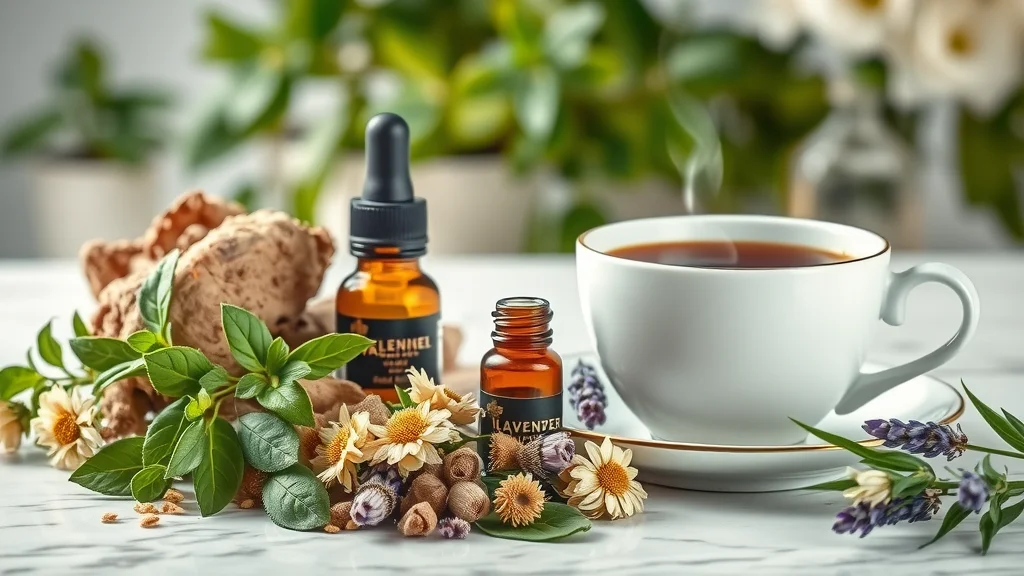
Comparing Herbal and Natural Remedies for Stress and Anxiety
When evaluating ways to manage stress and anxiety, it’s essential to understand the distinctions between herbal and other natural remedies. Herbal medicine involves plant-based preparations with active compounds shown to produce a calming effect or regulate the stress hormone cortisol. Popular natural remedies may also include lifestyle changes, such as improved diet, regular exercise, mindfulness routines, and the use of essential oils for aromatherapy. Reviewing clinical trial results can help consumers decide which remedy aligns with their unique mental health needs, tolerance for side effects, and health condition.
The table below summarizes some of the most well-studied herbal remedies:
Herbal Remedy |
Clinical Trial Results |
Key Health Condition Supported |
Common Side Effects |
|---|---|---|---|
Valerian Root |
Improved sleep quality |
Sleep, stress and anxiety |
Mild drowsiness |
Lemon Balm |
Reduced anxiety and depression |
Mental health |
Rare: nausea |
Lavender Essential Oil |
Lowered anxiety disorders |
Anxiety and depression |
Very rare: skin irritation |
Valerian Root: A Herbal Remedy for Sleep and Stress
Valerian root has a well-established history in both traditional and scientific literature as a herbal remedy for sleep and stress. Often used in teas, capsules, or tinctures, valerian root interacts with GABA receptors in the brain, promoting a calming effect and deeper sleep. Studies show that valerian root can significantly enhance sleep quality and reduce symptoms of stress and anxiety without major side effects—most commonly, mild drowsiness that generally wears off by morning. For people struggling with insomnia or persistent stress, valerian root offers a safe and gentle alternative to sedative medications.
With over a dozen clinical trials supporting its efficacy, valerian root continues to stand out among herbal stress remedies for its dual benefits for both anxiety and sleep. Integrative health practitioners often recommend starting with a lower dose to monitor tolerance before gradually increasing, and always advise consultation with a healthcare provider, especially for those taking other medications or addressing specific health conditions.

Lemon Balm: Ancient Herbal Stress Remedy for Modern Anxiety Disorders
Lemon balm (Melissa officinalis) is a bright, soothing herb renowned in herbal medicine for easing anxiety, promoting relaxation, and offering mild antidepressant effects. Its active compounds are believed to affect neurotransmitters, helping to calm the nervous system and reduce the symptoms linked to anxiety disorders. Traditionally steeped as a tea or infused into tinctures, lemon balm is favored for its refreshing flavor and its gentle action on mental health, making it suitable for both adults and children under the guidance of a healthcare provider.
Modern clinical trials reinforce lemon balm’s value as a herbal stress remedy, showing reduced symptoms of mild to moderate anxiety and improvements in sleep quality. Side effects are rare, and the herb’s longstanding reputation makes it a staple in many natural remedies protocols. Consider using lemon balm in combination with other calming herbs, such as chamomile or lavender, to enhance its effect for those navigating stress in our fast-paced world.

German Chamomile: Herbal Medicine for Stress and Emotional Wellness
German chamomile is celebrated for its ability to reduce stress and soothe the mind. Rich in antioxidants and unique volatile oils, chamomile interacts gently with the nervous system, encouraging emotional balance and supporting those facing mild to moderate anxiety disorders. Often consumed as a calming tea or added to herbal blends, chamomile has been validated in peer-reviewed clinical studies for its efficacy in promoting a sense of tranquility and emotional wellness.
Unlike many over-the-counter medications that may produce drowsiness or other adverse effects, German chamomile presents minimal side effects and is generally safe when used as a tea or infusion. This gentle approach makes it ideal for integrating into a daily mental health routine, whether as an evening tea, a bath soak, or an aromatherapy addition. It is widely accepted among herbal remedies for its longstanding tradition and modern research-backed results.

Lavender Essential Oil: Natural Remedy for Anxiety and Depression
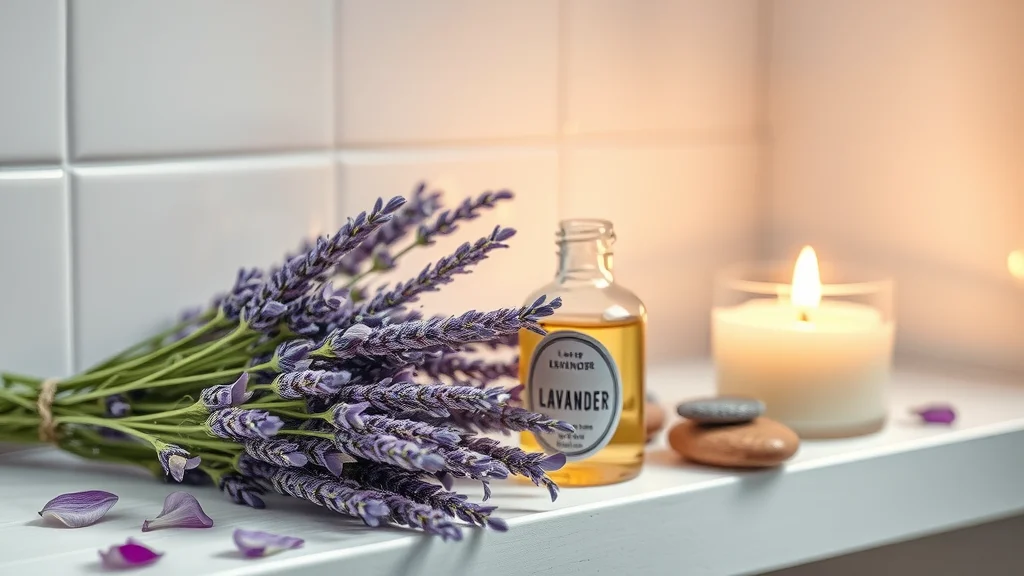
Lavender essential oil stands as a hallmark among natural remedies for anxiety and depression. Numerous clinical trials detail its effectiveness when inhaled, diffused, or applied topically. Compounds in lavender have been shown to ease nervous system arousal, lower the impact of stress hormone cortisol, and lift mood—all with very few reported side effects. Users often experience a rapid sense of relaxation and a subtle improvement in sleep quality.
Lavender essential oils are used widely for aromatherapy and as massage oils, with their gentle yet powerful aroma providing comfort for both mind and body. For people seeking a scientifically backed herbal stress remedy with minimal risk, lavender essential oil is one of the best-studied options for reducing symptoms of anxiety disorders and stress-related conditions.
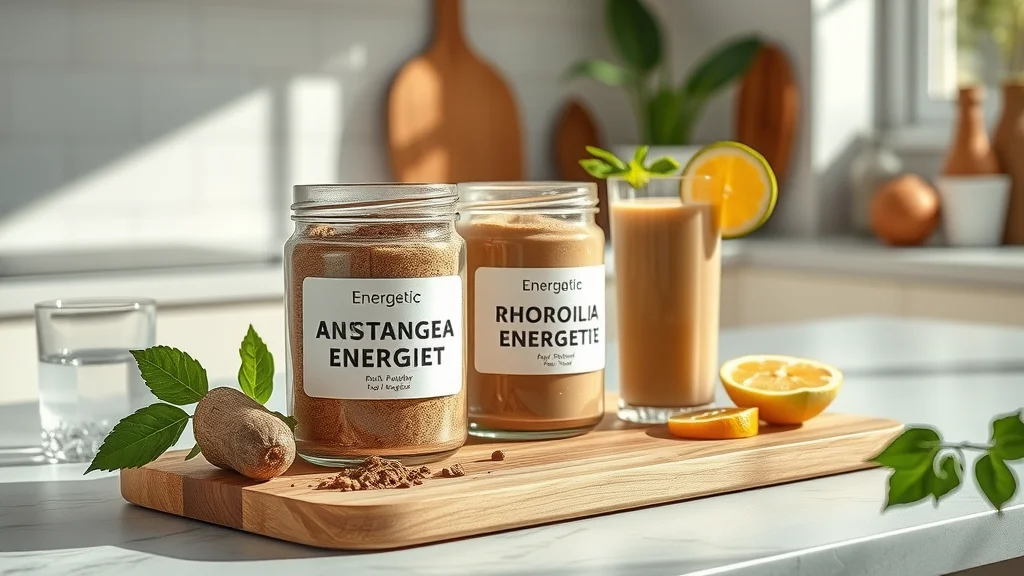
Ashwagandha and Rhodiola: Adaptogens Among Herbal Stress Remedies
Ashwagandha (Withania somnifera) and Rhodiola Rosea are categorized as adaptogens—herbs that help the body adapt to chronic stress and build resilience. Clinical trials show that both can reduce physical and mental fatigue and stabilize the stress hormone cortisol, especially in high-pressure situations or demanding lifestyles. Ashwagandha, traditionally used in Ayurvedic medicine, is known for improving sleep, reducing symptoms of anxiety disorders, and balancing the body’s stress response without sedative effects.
Similarly, Rhodiola Rosea has been used for centuries to promote mental clarity, boost energy, and combat symptoms of stress and depression. Side effects are generally mild, and both adaptogens are popular choices for those with persistent stress or those wishing to integrate a long-term natural remedy into their daily lives. As always, consult with a healthcare provider before initiating any new herbal supplement, especially when other health conditions or medications are present.
Choosing Safe Herbal Stress Remedies: Health Conditions and Contraindications
Who should avoid certain herbal remedies?
Drug interactions to consider with herbal medicine
The importance of consulting with a healthcare provider
Even natural remedies require thoughtful use. Certain groups—such as pregnant or breastfeeding women, children, and people with severe or chronic health conditions—should exercise caution with herbal stress remedies. For example, valerian root and ashwagandha may interact with sedatives or thyroid medications, while essential oils could trigger skin sensitivity in some users. It’s vital to recognize the risk of drug interactions, especially if you’re already taking prescription medicine for anxiety disorders or related conditions.
Consulting a qualified healthcare provider or integrative health specialist before starting any herbal remedy is the best way to ensure both efficacy and safety. This professional guidance helps tailor natural remedies to your specific situation, accounting for underlying health conditions, medication use, and individual health goals.
Integrating Herbal Stress Remedies into Your Daily Routine
Practical preparation tips (teas, tinctures, capsules, essential oils)
Combining remedies safely
Creating a holistic approach with diet, exercise, and sleep
Making herbal stress remedies a seamless part of daily life can yield lasting benefits. Start by preparing calming teas using valerian root or chamomile, or add lemon balm tincture to your favorite beverage. Essential oils, like lavender, can be diffused in bedrooms or used for relaxing massages before sleep. Supplement capsules containing ashwagandha or rhodiola may offer an easy way to support mental health through stressful seasons.
For best results, combine these natural remedies with healthy routines: maintain a balanced diet rich in plant-based foods, commit to regular exercise, and prioritize sleep. This holistic approach not only maximizes the calming effects of herbal remedies, but also promotes overall emotional resilience. Always observe your body’s response and adjust preparations or combinations as needed, seeking professional guidance if significant concerns or new symptoms arise.

People Also Ask About Herbal Stress Remedies
What is the best herb for stress?
Valerian root and ashwagandha are among the most researched herbs for stress, with clinical trials supporting their calming effect and ability to regulate the stress hormone cortisol. However, the "best" option depends on your unique needs and health conditions. Lemon balm and German chamomile are also excellent for those seeking gentle, safe support with fewer side effects, making them versatile choices for a range of anxiety disorders.
What is a good natural remedy for stress?
Besides herbal medicine, effective natural remedies for stress include deep breathing exercises, mindfulness or meditation, regular physical activity, and proper nutrition. Combining these with herbal stress remedies, such as a cup of chamomile tea or diffusing lavender essential oil, can provide powerful support for reducing both the mental and physical symptoms of stress and anxiety.
What is the 3 3 3 rule for stress?
The 3-3-3 rule is a practical mental health technique often recommended by therapists. When you feel anxious, look around and name three things you see, listen for three sounds you hear, and move three parts of your body. This mindfulness practice grounds your attention in the present moment and complements the calming benefits of herbal remedies for stress relief.
Can anxiety be cured without medication?
While some severe cases of anxiety disorders may require medication under medical supervision, many people successfully manage milder forms of stress and anxiety through a combination of therapy, lifestyle changes, and natural or herbal remedies. Modalities like counseling, mindfulness, herbal medicine, and stress-relieving activities are often integrated into long-term management plans for mental health.
How to Use Herbal Stress Remedies—Preparation and Dosage Guidance
Frequently Asked Questions About Herbal Stress Remedies
-
Are herbal stress remedies safe for children?
Some herbal remedies, such as lemon balm and chamomile, may be suitable in lower doses for children under professional guidance. Always consult with a pediatric healthcare provider before starting any herbal remedy for a child.
-
How long does it take to see results?
Effects may become noticeable within a few days for herbs like lavender essential oil or chamomile, while others, like ashwagandha or valerian root, might require consistent use over several weeks to reach full efficacy.
-
Can herbal medicine be taken alongside conventional medication?
This depends on the specific herbs and medications involved. Certain herbal remedies may interact with pharmaceuticals. Always inform your healthcare provider about all supplements and medicines you take.
-
What are common side effects?
Most herbal stress remedies have mild side effects, such as drowsiness (valerian root), rare nausea (lemon balm), or skin irritation (lavender oil). Side effects are generally less common than with conventional medications.
-
Which health conditions may interact with herbal stress remedies?
Individuals with liver, kidney, or thyroid disorders, as well as pregnant or breastfeeding women, should consult a doctor before using herbal medicine. Some herbs can interact with anticoagulants, antidepressants, or sedatives.
Key Takeaways on Herbal Stress Remedies
Herbal stress remedies can offer measurable relief for stress and anxiety
Always consult a qualified healthcare provider before starting herbal medicine
Integrating herbal remedies into a broader mental health approach is most effective
Embrace Herbal Stress Remedies—Empower Your Mental Health Journey
Taking steps toward holistic mental health begins with nature-powered support. Start exploring safe, effective herbal stress remedies in your wellness routine—and empower your journey to calm, balance, and emotional strength.
If you’re inspired to continue your journey toward natural wellness, consider broadening your self-care practices beyond stress relief. Embracing holistic rituals—such as nourishing your hair and scalp with homemade herbal oil blends—can further enhance your sense of well-being and self-confidence. For a creative and rejuvenating next step, explore how to craft your own personalized hair oil treatments using time-honored botanicals and essential oils. Discover the full process and benefits in our in-depth resource on DIY hair oil treatments for natural nourishment, and unlock new ways to nurture both mind and body.


Write A Comment