Did you know more than 40 million adults in the United States are affected by an anxiety disorder? That staggering number makes anxiety the nation’s most common mental health challenge—yet, simple lifestyle changes can make a world of difference in easing symptoms and reclaiming daily life. Anxiety Lifestyle Changes: Why Integrating Healthy Habits Matters Startling Statistic: More than 40 million adults in the US suffer from an anxiety disorder, making it the most common mental health issue. For millions, anxiety disorders—and the panic attacks they can trigger—are a daily reality. Yet, research now shows that intentionally changing routine behaviors and adopting healthy habits can radically improve symptoms of anxiety and depression. Whether you’re facing generalized anxiety disorder, social anxiety, or periodic panic attacks, integrating targeted lifestyle changes offers proven health benefits. These changes help you manage stress and stabilize both mental and physical health for long-term resilience. Healthy habits such as physical activity, restorative sleep, balanced nutrition, and regular social support can actively lower stress levels and reduce muscle tension—all while improving overall well-being. Medical conditions and chronic diseases can worsen with unmanaged anxiety, making lifestyle change an essential part of any comprehensive mental health plan. When you begin to understand the root causes of your anxiety symptoms and adopt new coping skills, you build a new foundation for mental illness recovery and prevention. Understanding the Scope of Anxiety, Panic Attacks, and Anxiety Disorders
Anxiety disorders encompass a broad spectrum, from persistent generalized anxiety disorder and social anxiety to specific panic attacks and phobias. While everyone experiences occasional worries or stress, those living with anxiety disorders often face excessive fear, muscle tension, or sudden panic attacks that disrupt daily life. For many, bad things feel inevitable and the mind races with worry. The difference between a passing bout of nerves and an anxiety disorder often lies in the frequency, intensity, and how much anxiety interferes with physical health and social connections. Panic attacks, for instance, can arrive suddenly, leaving you feeling breathless and overwhelmed. Recognizing when stress becomes chronic or when panic attacks start to dictate your daily life is the first step to seeking help and considering meaningful lifestyle changes. Benefits of Lifestyle Change for Anxiety and Depression: Evidence-Based Insights
Lifestyle change is now recognized by major mental health and depression associations as a frontline treatment for anxiety and depression. Improving daily routines—like committing to regular physical activity, eating nutritious meals, and reducing caffeine and alcohol—provides measurable health benefits and increases resilience to mental illness triggers. Clinical studies show that healthy habits can decrease the severity and frequency of panic attacks, elevate mood, and help manage stress without relying solely on medication. Integrating a blend of good stress (exercising, creative hobbies) and self-nurturing activities can also counteract the effects of chronic disease and depression. Embracing these changes supports long-term recovery, blunts early warning signs of anxiety symptoms, and may even prevent future episodes for those with a history of panic attacks or depression and anxiety. “Anxiety and panic attacks can be managed by transforming day-to-day habits.” — Dr. Morgan Hayes, Clinical Psychologist What You'll Learn About Anxiety Lifestyle Changes How lifestyle change directly impacts anxiety disorders
Identifying symptoms of anxiety and pathways to relief
Healthy habits and coping skills for lasting mental health
Role of social support and routines
Natural solutions and recovery strategies Defining Anxiety Lifestyle Changes and Their Impact
What Constitutes an Anxiety Lifestyle Change?
Anxiety lifestyle changes refer to intentional modifications in your daily life that support mental and physical health—specifically aimed at managing or reducing symptoms of anxiety disorder and panic attacks. This could include adopting regular exercise, improving nutrition, practicing mindfulness, and seeking out social support. Unlike quick fixes, these changes cultivate long-term resilience against anxiety disorders and promote sustainable coping strategies. A lifestyle change isn't about one grand gesture; rather, it's the sum of small, consistently healthy habits that influence body and mind over time. Whether that involves better sleep hygiene, reducing caffeine and alcohol, or engaging in more restorative sleep, the key is commitment to gradual transformation in everyday routines that support your well-being and help you manage stress. As you explore the benefits of adopting new routines for your mental health, it's worth noting that holistic self-care can extend beyond anxiety management. For example, nurturing your body with natural remedies—such as DIY hair oil treatments—can be a soothing ritual that complements your overall wellness journey. How Lifestyle Change Helps Alleviate Symptoms of Anxiety
Scientific literature shows that anxiety lifestyle changes literally alter brain chemistry. Physical activity, for example, triggers the release of endorphins—natural mood lifters—while proper nutrition stabilizes blood sugar levels to prevent mood crashes. Mindfulness and breathing exercises regulate stress hormones and reduce muscle tension, all of which are common complaints among people with anxiety disorders. Implementing these targeted lifestyle changes doesn’t just treat existing symptoms of anxiety; it also acts as preventative care, strengthening your ability to bounce back from bad things and discouraging the buildup of negative emotions. When lifestyle change is consistent, the outcomes are measurable—fewer panic attacks, increased daily functioning, and improved relationships due to lower irritability and greater self-awareness. Differentiating Generalized Anxiety Disorder from Panic Attack Disorders
While both generalized anxiety disorder (GAD) and panic attack disorders fall under the umbrella of anxiety disorders, they differ significantly. GAD presents as chronic, excessive worry about various aspects of daily life—often without a clear trigger. Panic attack disorders, on the other hand, are marked by sudden, acute attacks of terror and physical symptoms that can feel overwhelming. Recognizing which symptoms of anxiety you face most often can guide your choice of lifestyle changes. GAD often responds well to mindfulness routines and regular healthy habits, while panic attack disorders may benefit more from techniques like the 3-3-3 rule, breathing exercises, and robust social support. Regardless of your diagnosis, implementing lifestyle change is a powerful, evidence-based step forward. Recognizing Symptoms of Anxiety and Anxiety Disorders
Common Symptoms of Anxiety and Depression: What to Watch For
Symptoms of anxiety vary, but often include nervousness, excessive worry, irritability, muscle tension, and difficulty concentrating. Physically, you might notice a racing heartbeat, sweating, nausea, or even trembling. In cases tied to depression and anxiety, additional symptoms—such as insomnia, appetite changes, or lingering fatigue—may emerge. Acknowledging these early warning signs helps you intervene with healthy habit changes before symptoms escalate into more severe panic attacks or health problems. Frequently, symptoms of anxiety overlap with periodic panic attacks, which can intensify stress levels and impact mental and physical health. Mood swings, avoiding social situations, or withdrawing from daily life are also common. Recognizing these behaviors in yourself or loved ones signals when to seek additional support and begin integrating lifestyle change as a foundation for healing. Early Warning Signs Before Panic Attacks Rapid heartbeat
Excessive worry
Difficulty concentrating
Insomnia
Shortness of breath These signals often occur minutes or even hours before a full-blown panic attack. Noticing them lets you use coping skills and preventive techniques, such as mindfulness or breathing exercises, to regain control before panic peaks. Learning your individual “anxiety warning signs” is an essential life skill for managing both panic attack and anxiety disorder symptoms. The Science Behind Lifestyle Change for Anxiety Disorders
Mental Health Mechanisms: How Lifestyle Impacts Anxiety Disorders
Lifestyle change operates at the intersection of mind and body. Studies show that regular physical activity helps decrease the severity of anxiety symptoms and supports overall mental health, while mindfulness practices like yoga and meditation build emotional resilience. Diet and exercise routines impact not just physical health but also brain chemistry, helping regulate mood and stress responses. For those prone to panic attacks or stress overload, these strategies become lifesavers. Furthermore, chronic stress and lack of healthy habits can lead to the production of excess cortisol—the “stress hormone”—which in turn fuels anxiety symptoms, muscle tension, and even chronic disease risk. Adopting new routines—like keeping a consistent sleep schedule or connecting with positive social support systems—not only serves as preventive medicine against future anxiety episodes but can also promote long-term mental illness recovery. Role of Sleep, Nutrition, and Exercise in Anxiety Lifestyle Changes
Restorative sleep is a pillar of anxiety management. Poor sleep quality increases irritability, muscle tension, and anxiety risk, while regular sleep hygiene practices encourage emotional balance. Movement—whether through daily walks, structured exercise, or simple stretching—triggers chemical changes in the brain that ease anxiety and elevate mood. Nutrition plays an equally vital role. Diets rich in whole grains, lean proteins, and fresh produce help stabilize energy and support neurotransmitter production, while limiting caffeine and alcohol can prevent mood spikes and crashes. Building these healthy habits into daily life is a proven way to manage stress, reduce anxiety disorder symptoms, and nurture both physical and mental health. Practical Healthy Habits for Managing Anxiety
Physical Activity as a Healthy Habit: Stress Relief and Endorphin Boosting
Physical activity is a cornerstone of anxiety lifestyle changes. Activities such as jogging, swimming, or even brisk walking boost endorphins—"feel-good" hormones that help relieve anxiety, regulate mood, and decrease feelings of panic. Regular exercise not only strengthens your body but also acts as a natural stress reliever, keeping depression and anxiety at bay. The health benefits extend to every aspect of daily life, from building self-esteem to reducing symptoms of anxiety disorder. Experts recommend aiming for at least 30 minutes of moderate exercise most days of the week. Even light movement, like yoga or gentle stretching, can dramatically manage stress and support physical health for those struggling with panic attacks or chronic illness. Mindfulness Routines and Breathing Techniques
Mindfulness involves focusing on the present moment and calmly acknowledging feelings, thoughts, and bodily sensations. Practicing short periods of mindfulness or breathing exercises each day reduces anxiety and supports overall mental health. Deep breathing, for example—like the 4-7-8 technique or box breathing—lowers stress hormones and is an accessible coping skill for managing symptoms of anxiety and panic attacks. Integrating routines such as meditation, journaling, or guided imagery (such as grounding exercises) helps train your brain to handle stress better over time. These habits are especially useful in situations that can trigger panic or when you feel symptoms of anxiety starting to rise. Making mindfulness a daily healthy habit is a meaningful step in anxiety disorder recovery. Balanced Diet and Its Impact on Mental Health
What you eat has a direct effect on both physical and mental health. Diets high in processed foods, refined sugar, and stimulants like caffeine and alcohol can spike anxiety symptoms and trigger panic attacks. By contrast, a balanced diet rich in whole grains, fruits, vegetables, healthy fats, and lean protein helps stabilize mood, regulates blood sugar, and supplies essential nutrients that promote healthy brain function. Keeping a food journal or meal calendar can help identify patterns—such as whether certain foods increase or decrease your anxiety symptoms. Nutrition is a key lifestyle change tool, giving you daily control over your mood, energy, and ability to manage stress. Consult your healthcare team for tailored dietary advice if you’re managing anxiety alongside medical conditions or chronic disease. Establishing Sleep Hygiene for Anxiety Control
Healthy sleep habits—also known as “sleep hygiene”—are crucial for anyone trying to manage anxiety and depression. Aim for 7-9 hours of sleep each night, establish a calming bedtime routine, and go to bed and wake up at the same time each day. Avoiding screen time, caffeine, and alcohol close to bedtime can also support restorative sleep. Good sleep not only refreshes the mind and body but strengthens emotional resilience, reduces stress levels, and makes you less susceptible to symptoms of anxiety, panic attacks, and even chronic disease. If you struggle to fall or stay asleep, consider adding breathing exercises or gentle stretches before bed as part of your new healthy habit routine. Social Support and Building an Anxiety-Resilient Lifestyle
Utilizing Social Support Systems for Anxiety and Depression
Social support is a proven buffer against the impacts of anxiety disorder and panic attack. Building strong social connections—with family, friends, or local support groups—provides emotional safety, practical problem-solving, and accountability for new healthy habits. Sharing your experiences with trusted people can help manage stress and reduce feelings of isolation, both of which spike anxiety and depression risks. If you’re struggling to reach out, consider joining online support networks, community classes, or professional therapy groups. These social connections help reinforce the benefits of lifestyle change, keep you motivated, and provide crucial backup during difficult times. Community, Family, and Professional Resources
Reaching out to community organizations, faith groups, or mental health professionals can bolster your coping skills and help you navigate setbacks. Many healthcare teams offer classes and workshops on managing anxiety and depression, while local non-profits provide group therapy or peer mentoring. These resources empower you to take charge of lifestyle change for yourself and your loved ones. Engaging family members in your new routines—like exercising together, preparing healthy meals, or practicing mindfulness—can establish a supportive environment and maximize your chances for long-term success. Remember, lifestyle change thrives in a network of encouragement and shared goals. “Social support often determines the difference between recovery and relapse.” — Dr. Kayla Singh, Mental Health Expert Lifestyle Changes for Anxiety: Setting Realistic Goals
SMART Goal Setting for Sustainable Lifestyle Change
One of the most effective ways to implement anxiety lifestyle changes is through SMART goal setting—where goals are Specific, Measurable, Achievable, Relevant, and Time-bound. Instead of vague promises like “I’ll eat healthier,” a SMART goal might be, “I will prepare three home-cooked dinners per week for the next month. ” Tracking progress this way keeps you focused and ensures your lifestyle changes are sustainable. Setting realistic goals keeps you from feeling overwhelmed, encourages motivation, and gives you clear milestones to celebrate. As you observe small improvements, you gain confidence and are more likely to maintain new healthy habits over time. Use journals, apps, or a supportive friend to help track your journey. Tracking Progress and Celebrating Milestones
Regular self-check-ins or celebrations reinforce the value of lifestyle change and boost your sense of achievement. Whether you track your meals, journal about daily successes, or share stories in a support group, recognizing progress—however small—builds long-term momentum against anxiety disorder and depression. Journaling triggers and successes
Using apps for mindfulness and mental well-being
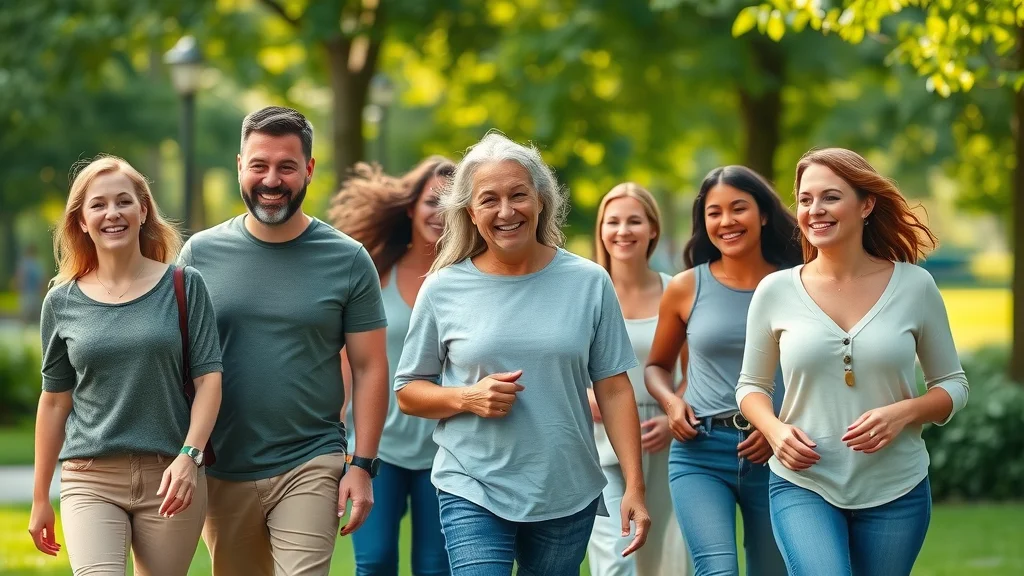
Joining support groups Over time, these efforts lead to a deep sense of accomplishment and mastery over symptoms of anxiety, helping to transform healthy habits into permanent features of your life. [Video features real individuals applying anxiety lifestyle changes, sharing candid interviews about their journey with routine adjustments, support systems, and new healthy habits. Viewers see practical routines, like meal prep, breathing exercises, and group walking, demonstrated in authentic environments. ]
Lifestyle Change Techniques: Coping Skills for Anxiety Disorders
Cognitive Behavioral Techniques for Managing Panic Attacks
Cognitive behavioral therapy (CBT) techniques are foundational coping skills in anxiety management. Practices such as identifying irrational thoughts, using positive self-talk, and challenging catastrophic thinking help break the cycle of the panic attack. Simple grounding exercises—like the 3-3-3 rule—can bring your attention back to the present moment, reduce anxiety symptoms, and empower you to ride out difficult emotions. Combining CBT techniques with healthy habit routines increases their effectiveness and helps reinforce new, positive behaviors. Consider working with your healthcare team or a therapist to develop a coping skill toolkit specific to your anxiety disorder’s unique triggers and symptoms. Resilience Practices: Yoga, Meditation, and Creative Outlets
Developing resilience against anxiety means finding and committing to positive outlets that nurture your mind and body. Yoga combines physical activity with breathwork and mindfulness, offering powerful stress relief. Meditation, whether guided or silent, teaches the brain to focus on the present and notice thoughts without judgment—critical for breaking free from anxiety spirals. Creative activities like painting, writing, or music provide joyful distraction and help lower symptoms of anxiety. Prioritizing resilience practices as regular healthy habits increases your ability to manage stress and recover quickly when bad things—or panic attacks—strike. Overcoming Barriers and Maintaining Motivation
Every change comes with obstacles. Whether it’s rigid routines, fear of failure, or lack of social support, recognizing your barriers early and strategizing solutions is key. Remind yourself that small setbacks do not erase progress. Motivation can come through supportive social connections, visible progress in mood or sleep, or simply savoring “good stress” achievements like trying something new. When motivation dips, return to why you started these lifestyle changes in the first place. Celebrate small wins, ask for help, and remember—lasting improvements in anxiety disorder and panic attack resilience depend on patience and self-compassion. Natural Approaches: Healing Anxiety Holistically
Herbal Supplements and Nutrition Strategies
Holistic strategies appeal to those seeking anxiety relief without medication. Herbal supplements such as lavender, chamomile, and passionflower have shown some promise in small studies for reducing symptoms of anxiety. Nutrition strategies—like omega-3 rich foods, probiotics, and limiting processed sugars—also support both physical and mental health. Always consult your healthcare team before starting supplements, as they can interact with medications or medical conditions. Holistic approaches are best used in combination with other lifestyle change methods—balanced diet, physical activity, social support, and mindfulness. Lifestyle Change Without Medication: When Is It Possible?
For many, lifestyle change alone can greatly reduce or even eliminate the need for medication—especially when symptoms of anxiety disorder are mild to moderate. However, severe cases or those with co-occurring mental illness may still require a blend of therapy, medication, and healthy lifestyle adjustments. The most important factor is personalization: regular check-ins with your healthcare team will help you adjust your plan for managing anxiety to fit your needs as they evolve. Communication and consistency matter most in the journey toward anxiety disorder recovery. “Holistic lifestyle change can greatly reduce or even eliminate reliance on medication for some.” — Dr. Emma Torres, Integrative Therapist How to Personalize Anxiety Lifestyle Changes for Your Needs
Identifying Personal Triggers and Stressors
Each person’s anxiety disorder manifests uniquely. Start by identifying specific triggers—places, people, or situations that spark anxiety symptoms or panic attacks. Journaling these triggers and noticing patterns gives you data to strategize lifestyle changes most effective for your daily life and emotional needs. Personalization also means acknowledging which coping skills work best for you. You might respond positively to exercise and social support, while others find creative outlets or mindfulness most helpful. Regular reflection ensures you adapt your toolkit as needed for real, lasting change. Customizing Healthy Habits for Unique Lifestyles
There is no “one size fits all” when it comes to healthy habits or anxiety lifestyle changes. Urban professionals, busy parents, and students face different pressures and routines. Choose habits you enjoy, that fit into your schedule, and that genuinely make you feel better—whether it’s group fitness, meditation before bed, or joining an online community. Remember: consistency is more important than intensity. Sustainable, enjoyable habits—done regularly—help you prevent burnout and guarantee your anxiety lifestyle changes become a lasting part of everyday life. [This guided demonstration video walks viewers through the 3-3-3 rule for anxiety: naming three things you see, three things you hear, and moving three parts of your body, as a grounding technique during anxious moments. ]
Tables: Comparing Anxiety Lifestyle Changes and Their Effectiveness Lifestyle Change
Benefits
Suitable For
Difficulty Regular Exercise
Reduced stress hormones, improved mood
All anxiety disorders
Moderate Mindfulness Meditation
Increased calm and focus
Generalized anxiety disorder
Easy Balanced Diet
Mood stabilization, energy increase
Anxiety and depression
Easy Social Support
Decreased isolation
Panic attack recovery
Varies FAQs: Managing Anxiety Through Lifestyle Changes
What is the 3-3-3 rule for anxiety?
The 3-3-3 rule is a grounding technique: Look around and name three things you see, three things you hear, and move three parts of your body. This exercise anchors you in the present and calms anxiety symptoms during stressful moments or panic attacks. How to heal anxiety naturally?
Natural healing involves a blend of lifestyle change, such as regular exercise, healthy eating, mindfulness practices, and social support. These strategies address both physical and emotional dimensions of anxiety, reducing dependence on medication for many people. What are coping skills for anxiety?
Coping skills include deep breathing, physical activity, journaling, positive self-talk, mindfulness, and reaching out for social support. Regular use of these healthy habits can decrease symptoms of anxiety disorder and prevent escalation into panic attacks or depression. How to overcome extreme anxiety?
Overcoming extreme anxiety combines consistent lifestyle change, professional guidance from a healthcare team, and, where needed, therapy or medication. Resilience builds over time with healthy habits, coping skills, and social support to prevent relapse. People Also Ask
What is the 3-3-3 rule for anxiety?
The 3-3-3 rule recommends naming three things you see, three sounds you hear, and moving three body parts to ground yourself during anxiety. How to heal anxiety naturally?
Healing anxiety naturally often involves lifestyle change, mindfulness, healthy habits, and social support for lasting results. What are coping skills for anxiety?
Coping skills for anxiety include deep breathing, exercise, journaling, and seeking social support. How to overcome extreme anxiety?
Overcoming extreme anxiety combines lifestyle change, professional support, and consistent healthy habits. Key Takeaways: Anxiety Lifestyle Changes You Can Start Today Anxiety lifestyle changes promote robust mental health.
Small, consistent habits lead to meaningful anxiety disorder management.
Social support is crucial in preventing panic attacks and managing anxiety. Ready for Positive Change? Discover Personalized Tools for Anxiety Lifestyle Changes
Start with one new healthy habit today—be it a walk in the park, a mindful breathing exercise, or reaching out to a friend. Your journey to managing anxiety through lifestyle change begins with a single, empowered step. Embracing lifestyle changes for anxiety is just one aspect of a holistic approach to well-being. If you’re interested in expanding your self-care toolkit, consider exploring natural rituals that nurture both body and mind. For instance, learning how to create your own nourishing hair oil blends can be a relaxing and rewarding practice that supports your sense of calm and self-worth. Discover more about integrating natural beauty routines into your wellness journey by visiting this guide to DIY hair oil treatments—and unlock new ways to care for yourself, inside and out.





Write A Comment