

Unlocking the Power of Quercetin: Why It Matters for Your Health
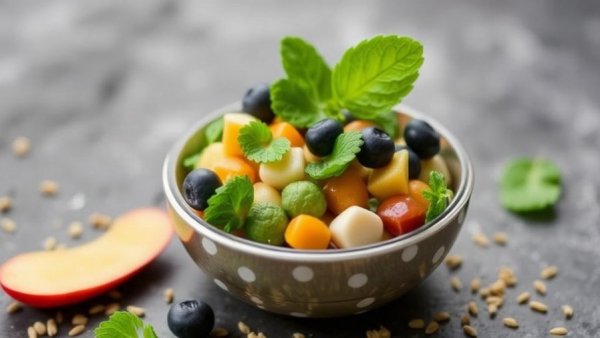
Quercetin, a naturally occurring flavonoid, has been a subject of scientific inquiry since its isolation in 1857. Found abundantly in foods like onions, apples, berries, grapes, and tomatoes, quercetin offers much more than just antioxidant properties. Unlike supplements, these whole foods provide quercetin as part of a complete nutritional package, making it essential to prioritize food sources over isolated compounds. This underscores the importance of including a variety of fruits and vegetables in your diet to harness the numerous benefits that nature's bounty has to offer.
A Broad Spectrum of Benefits
Quercetin is remarkable due to its ability to influence various biological systems. Rather than acting through a singular mechanism, it engages with cellular pathways related to oxidative defense, immune signaling, and even neuroprotection. Given its broad-reaching impact on health, it's puzzling that it hasn't garnered more attention in wellness conversations. The multi-faceted nature of quercetin indicates that it could play a crucial role in preventing a range of chronic conditions, from inflammation-related diseases to metabolic disorders.
The Science Behind Quercetin
Recent research has illuminated various biological actions of quercetin. A significant review published in Oxidative Medicine and Cellular Longevity highlighted how quercetin strengthens both cellular defenses and anti-inflammatory responses. By binding to iron and reducing oxidative damage, quercetin assists in maintaining healthy cell membranes and protects lipid profiles, including LDL particles. This action suggests that quercetin’s role may be significant in heart disease prevention, a leading cause of mortality worldwide.
Additionally, quercetin exhibits antimicrobial properties, effectively damaging bacterial cell walls and disrupting their vital functions. It suppresses inflammatory signals that are central to many chronic diseases, thereby intertwining its role in oxidative stress and inflammation. Its ability to tackle inflammation at various cellular levels makes it a candidate for addressing not just acute but also chronic inflammatory conditions, which can severely impact quality of life over time.
Cardiovascular Health: Real Results
Quercetin isn’t just theoretical; human studies underline its practical applications. In one clinical trial involving individuals with stage 1 hypertension, 730 milligrams of quercetin led to significant reductions in blood pressure metrics. Similar studies have pointed towards improvements in vascular function and reduced oxidative damage, critical factors for maintaining cardiovascular health. These finding suggest that regular quercetin intake could be an effective strategy for those at risk of hypertension.
Neurological Support: A Step Towards Cognitive Aging
One heartening study published in the Journal of Clinical Biochemistry and Nutrition examined the effects of quercetin-rich onions on cognitive function in older adults. Participants consuming quercetin-rich onions demonstrated significant improvements in cognitive assessments after just 24 weeks, alongside enhanced mood and motivation. This indicates that quercetin might play a role in mitigating cognitive decline associated with aging. As our population grows older, this aspect of quercetin becomes even more crucial, representing a potential means to maintain quality of life in senior years.
Easy Ways to Incorporate Quercetin into Your Diet
To harness the benefits of quercetin, prioritize getting it from foods. Start by incorporating quercetin-rich foods like onions, apples, and berries into your daily meals. The findings from the aforementioned study suggest that a consistent intake of approximately 50 mg of quercetin daily can yield measurable health benefits. Making a habit of adding onions to your salads or smoothies can help easily integrate this nutrient into your routine.
“In the face of an often overwhelming pursuit of health through supplements, it’s crucial to remember the power of whole foods in providing our bodies with nature’s most effective healing compounds.”
Beyond Diet: Practical Tips for Health
While aiming to include dietary sources of quercetin, some may also consider supplements. However, it is vital to approach supplementation mindfully, using the lowest effective dose necessary for your health objective. Quercetin works best when paired with vitamin C, as they have synergistic effects that enhance their activity and support overall health. The combined consumption of these nutrients not only maximizes their effectiveness but also helps in establishing a holistic approach to dietary well-being.
Continuing the Conversation: Awareness and Action
The powerful intersection of nutrition and overall health requires public awareness. The benefits of quercetin – from cellular protection to cardiovascular support – deserve more focus, especially considering how easily they can be integrated into daily life through diet. By emphasizing the importance of quercetin-rich foods, we can inspire meaningful health changes. Community initiatives, such as local farmers' markets and nutrition workshops, can enhance public engagement with these vital nutrients.
Conclusion: Embracing Holistic Health
As you integrate quercetin into your lifestyle through a variety of healthful foods, remember that it can serve as a complementary element in a holistic approach to wellness. Whether aiming to protect your heart, boost cognitive function, or strengthen cellular defenses, focusing on quercetin is a small yet impactful step you can take for your whole-body health. In a world where health information can be overwhelming, understanding and implementing basic dietary changes can lead to profound benefits over time.



Write A Comment