

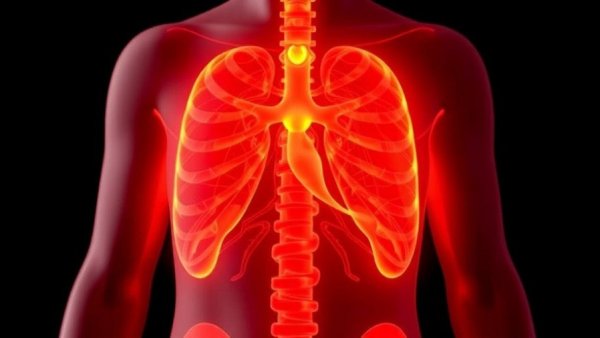
Understanding CKM Syndrome: A Silent Struggle
When we think about health issues like heart disease, we rarely picture young adults. Yet, a startling new study reveals that nearly 8 in 10 young adults are already grappling with early stages of metabolic disorder, known as cardiovascular-kidney-metabolic (CKM) syndrome. It unveils a silent epidemic—metabolic dysfunction that begins in the simple, seemingly innocent years of our twenties.
The Alarming Data: Young Adults at Risk
This research, published in Circulation: Population Health and Outcomes, observed 1,283 participants averaging just 22.9 years old. With only 20.7% showing no CKM risk factors, it becomes clear that metabolic health is not an issue to be postponed until middle age. The study categorized participants into various stages based on their risk factors: 40.2% in Stage 1 due to excess body fat, 36.2% in Stage 2, and even 2.8% were classified as Stage 3, already showing signs of arterial injury. These findings highlight that young people often mistakenly believe their youth protects them from health issues—but the numbers tell a different story.
Why Young Adults Need to Pay Attention
CKM syndrome intertwines excess body fat, abnormal blood pressure, and poor glucose control—all of which can remain symptomless while silently wreaking havoc on the body. The interconnectedness of these issues can lead to compounded effects on cardiovascular and kidney health over time. The danger is that if these problems are left unaddressed, they inevitably accelerate towards worse health outcomes.
Heart Health Scoring: A Wake-Up Call
The study implemented the American Heart Association's Life’s Essential 8 score to measure cardiovascular health. Participants without CKM risk factors averaged a score of 77.6, while those in Stages 1, 2, and 3 scored progressively lower. Alarmingly, over half of individuals in every CKM stage fell into a moderate cardiovascular health category instead of a high one. This indicates that even those seemingly healthy might still face significant health challenges, suggesting a vital need for proactive measures.
Arterial Injury: A Troubling Sign at a Young Age
Ultrasound results from the study revealed that arterial walls were thicker in individuals with higher CKM stages, which is linked to early signs of atherosclerosis, where plaques build up in arteries, threatening heart health. Findings like these signal a critical juncture for prevention efforts: if significant vascular damage is emerging in individuals barely out of their teens, it prompts an urgent call for immediate lifestyle interventions.
Nurturing the Foundations of Metabolic Health
Addressing metabolic dysfunction before it escalates could hinge on making conscious lifestyle choices. Here are some actionable insights:
- Revamp Your Diet: Start eliminating processed seed oils, which have been linked to metabolic dysfunction. Instead, focus on wholesome, nutrient-dense foods that support cellular energy. Foods rich in antioxidants, fiber, and healthy fats can help counteract metabolic damage. Incorporating fruits, vegetables, lean proteins, and whole grains can help establish a strong nutritional foundation.
- Be Active Daily: Incorporating movement into your daily routine is essential. Simple activities such as walking can significantly enhance metabolic health. Aim for at least an hour of moderate exercise daily. Consider joining community fitness groups or sports teams to make physical activity more enjoyable and social.
- Monitor Insulin Resistance: A HOMA-IR test can help assess your insulin sensitivity. Knowledge is empowerment: understanding your numbers can guide lifestyle changes before conditions worsen. Early detection can make an enormous difference in preventing long-term complications.
Cultivating a Health-Conscious Community
Awareness is the first step towards prevention. Engaging in community discussions, focusing on health education, and promoting shared meals can foster supportive environments that prioritize health, especially for young adults. Building social connections around healthy habits can create a ripple effect that benefits larger communities. Organizing health fairs or wellness workshops can further spread knowledge and motivate others to think critically about their health.
Preventing CKM Syndrome: A Collective Responsibility
As a society, the onus to educate and advocate for young adults’ health should not fall solely on individuals. Institutional support, educational initiatives, and accessible resources are vital in addressing this premature health crisis. Schools, local health departments, and community organizations should collaborate to develop programs aimed at improving nutritional education and physical activity among young people.
Conclusion: Embrace Prevention Early On
In conclusion, the findings from the latest study highlight the urgent need for young adults to be proactive in their health journeys. Understanding CKM syndrome empowers them to make informed lifestyle choices. By taking steps towards healthier living today, they can significantly alter the trajectory of their health well into the future. Remember, the earlier you begin to pay attention to your health, the more control you have over your life's direction.
A Final Thought: The Journey Towards Better Health
Making lifestyle changes can sometimes feel daunting, but they do not have to be overwhelming. Start with small, achievable goals and build from there. Whether it’s swapping out a processed snack for a piece of fruit, taking a short walk during lunch breaks, or joining a community sports league, every step counts. The journey to better health is continuous, and engaging with it can lead to a fulfilling and vibrant life. Let’s act today to ensure a healthier tomorrow.





Write A Comment