


The Journey from Pain to Understanding: A Personal Story
In the whirlwind of medical uncertainty, I faced a profound realization about the nature of my suffering. Chronic pain had become my unwanted companion, dictating my daily life and thoughts. Entering hospital rooms for scans and biopsies, I felt trapped in a cycle of worry; my existence morphing into a series of consults and test results. Each visit intensified my fears, as I anticipated news that might hold the key to alleviating my pain or, conversely, plunging me further into anguish. Yet, through this turmoil, I learned that being afflicted does not necessarily mean being burdened with continuous sorrow. Instead, my journey illuminated the distinction between physical pain and emotional suffering—a vital understanding in my healing.
Embracing the Present Moment: The Key to Reducing Suffering
It was during one reflective walk, when small purple spots on my skin prompted a doctor's visit, that my long search for answers began to align with a deeper quest for peace. While awaiting confirmation of my autoimmune condition, I stumbled upon a powerful question to redirect my thoughts: "Where is my attention right now?" By anchoring my thoughts in the present, I discovered that while my illness remained constant, the suffering it caused was transient. This shift in focus allowed me to observe the beauty around me—the rustling leaves, the laughter of children playing, and even the warmth of the sun against my skin. In those moments, I realized that life, despite its challenges, continued to unfold beautifully.
Decoding the Mind’s Distress: A New Perspective on Illness
The essence of my findings resonated deeply. I realized that every anxious thought stemmed from either the past or the future; ruminations of what was lost or fears of what might happen next consumed my mental space. I spent a significant portion of my thoughts trapped in these external stories, often neglecting to embrace the peaceful moments of clarity available in the here and now. It became evident that by adopting a mindset focused on the present, I learned to fully appreciate those fleeting instances when worry lifted, and normalcy returned. The experience reminded me of how essential it is to remain rooted in the current moment rather than getting swept away by uncertainty of tomorrow or regrets of yesterday.
The Ephemeral Nature of Worry: Insights into Mental Resilience
This realization led me to understand that worry is not an unrelenting force but rather a wave that washes over us, often leaving as quickly as it arrives. Imagine standing by a river; it flows, never stagnant. Similarly, my bouts of anxiety about health were not permanent fixtures, and every moment spent engrossed in present-day activities offered insight into the joys of living despite challenges. When I focused on the present, I discovered that moments of joy often coexisted with my pain. I wasn't required to carry the weight of worry at all times—only when I chose to do so. Each incidental worry would rise, stay for as long as I held on to it, and pass, often faster than I noticed. By shifting my perspective, I learned that the true power lies in my response to the circumstances around me rather than the circumstances themselves.
Finding a Steadier Happiness: Overcoming Psychological Hurdles
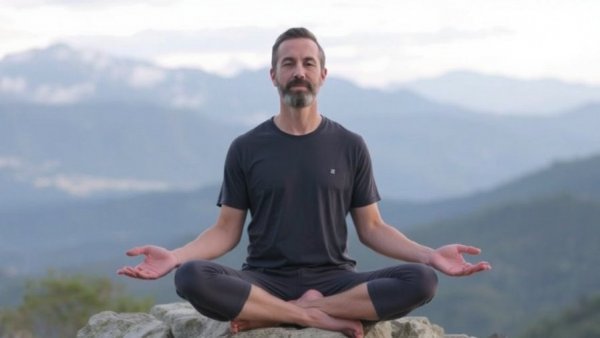
The path forward became clear. I began to seek ways to integrate mindfulness into my daily routine. Practices such as meditation, deep breathing, and engaging with nature contributed to my newfound clarity. I adopted habits that centered my attention, allowing me to experience the richness of life available in each passing moment. Not every day is a battle with illness or melancholy. Instead, many moments transformed into opportunities for joy, laughter, and connection with my family. I cultivated rituals like family game nights, storytelling, and outdoor adventures that not only distracted me from my worries but also strengthened our bonds. My relationship with my health changed as I embraced moments of levity, shifting focus from physical suffering to nurturing psychological strength—a dynamic realization that I could influence my own well-being through these small, dedicated practices.
Connection and Community: Finding Support Through Shared Experience
In addition to mindfulness, I discovered the transformative power of community and shared experiences. Engaging in support groups allowed me to share not only my struggles but also my triumphs with illness. Each participant brought their unique insights and techniques to cope with similar worries. These exchanges were not merely therapeutic; they provided tangible strategies for dealing with our shared fears and stressors. Such interactions shifted the narrative around my condition from isolation to empowerment, awakening a sense of ownership over my choices and learning pathways. I fostered connections that served as reminders of the resilience within us all, illustrating that no one should navigate such journeys alone.
Actionable Steps Towards Mindful Living
For anyone navigating similar circumstances, here are some actionable insights inspired by my journey:
- Ask Yourself: Regularly question, "Where is my attention right now?" This simple prompt can redirect your thoughts towards the present, alleviating anxiety.
- Practice Mindfulness: Engage in daily practices, such as guided meditation or yoga, that cultivate awareness of the body and mind.
- Connect with Others: Join support groups or forums where shared experiences create a sense of community, fostering empowerment through connection.
- Embrace Joy: Commit to finding moments of laughter and happiness every day, regardless of health challenges. Consider keeping a joy journal, where you write down positive experiences or things that made you smile.
- Limit Information Overload: Be mindful of how much news or health-related information you consume, as this can amplify feelings of anxiety. Balance your intake with uplifting content and engaging activities.
Moving Forward: Embracing Hope and Resilience
My journey revealed a crucial insight: health is not merely the absence of pain. Instead, it is about the quality of our thoughts and emotions. By understanding where my worry lives, I not only transformed my relationship with my health but also my entire outlook on life. The absence of worry does not define the absence of illness; rather, it speaks to the resilience of the human spirit—a potent reminder that we can navigate life with grace, regardless of the challenges we face.
As you reflect on your own experiences and challenges, consider taking a moment to ask yourself, where does your attention reside? Nurture the present and watch your worries transform into opportunities for deeper connection and understanding of your own journey. Remember, while illness may persist, the suffering we attach to it is often far more negotiable than we realize. Embrace this knowledge, and let it guide you on your path toward a more meaningful existence.




Write A Comment